24 articles to prepare your trip
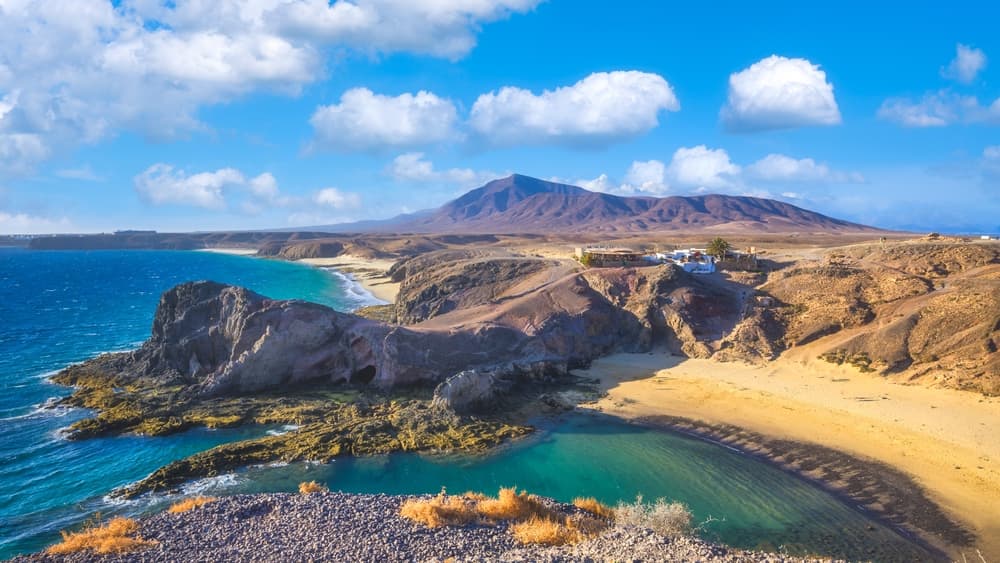
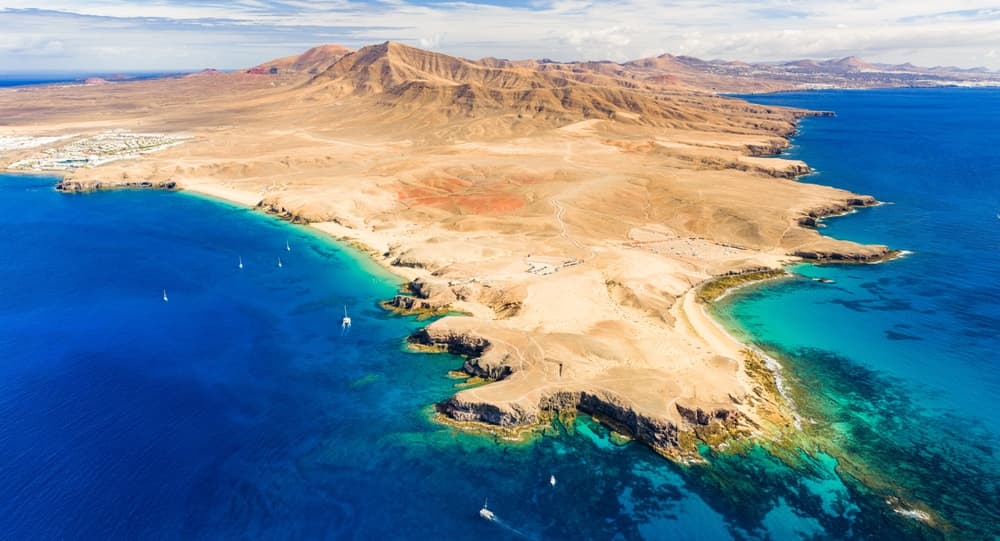
A collection of wild coves at the southern tip of Lanzarote, Playa del Papagayo captivates with its turquoise waters, ochre volcanic cliffs and absence of beachfront development, nestled within the Los Ajaches natural reserve.
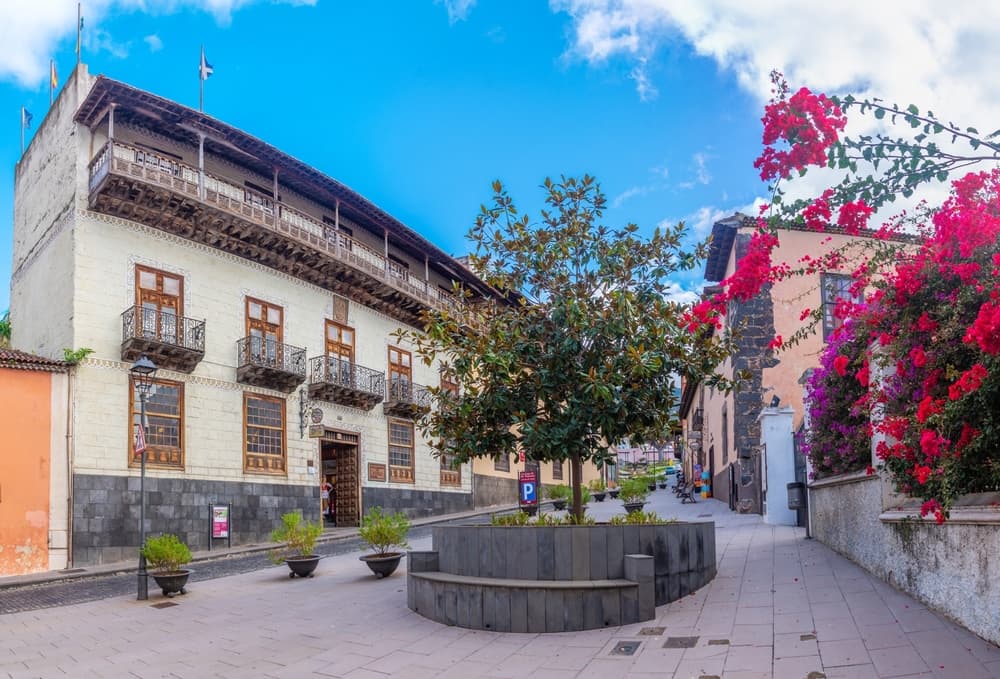
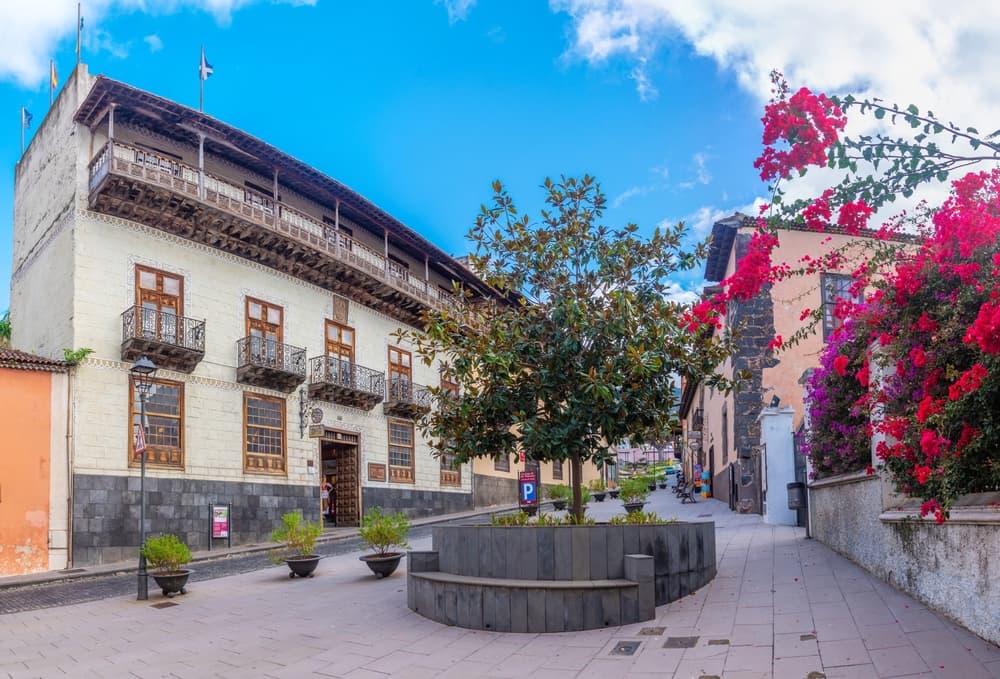
A 17th-century manor house, Casa de los Balcones is the symbol of Canarian colonial architecture. Its galleries of sculpted timber and lace workshop make it an unmissable stop in La Orotava.
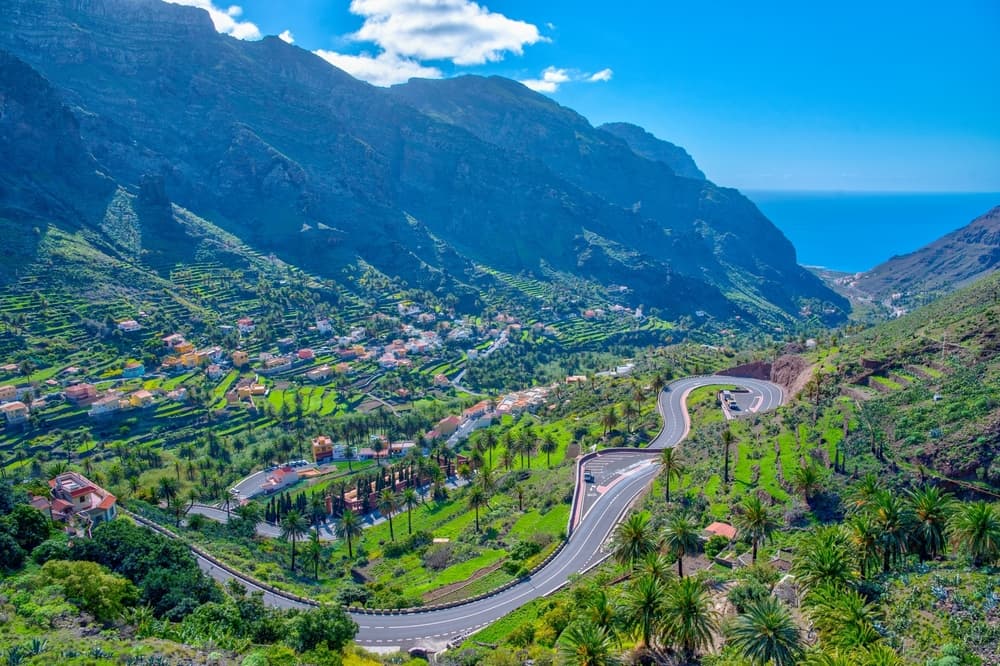
Valle Gran Rey cascades down to the Atlantic between ochre cliffs and tiered palmeraies. Dark sand beaches, a fishing port, whale-watching excursions and access to Garajonay National Park: La Gomera's wildest valley.
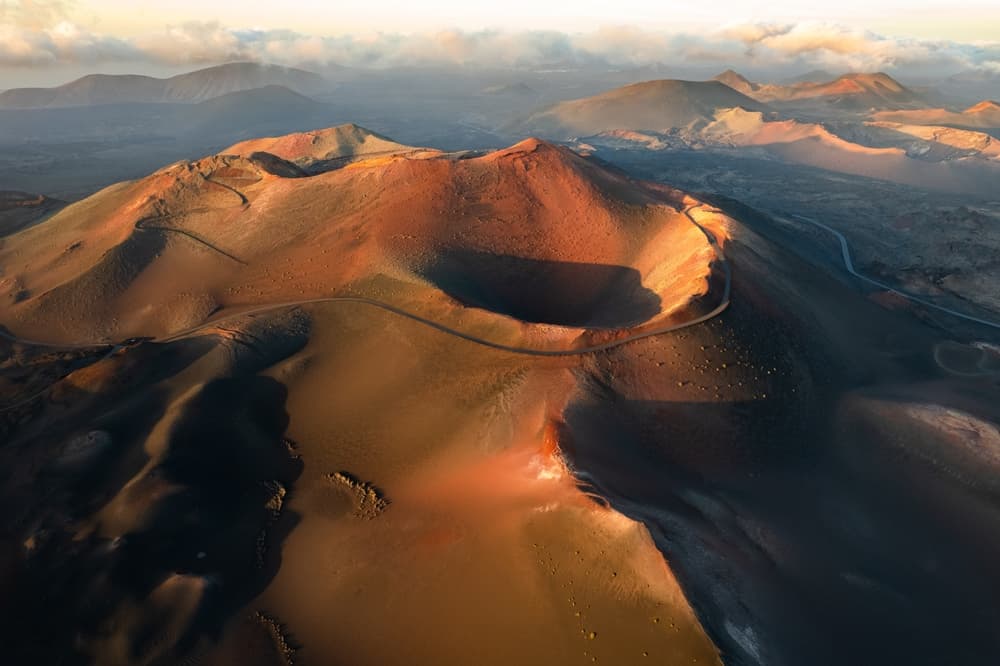
Born from the eruptions of 1730–1736, Timanfaya is Lanzarote's most spectacular national park: glowing cones, palpable underground heat and an entirely preserved lunar landscape.
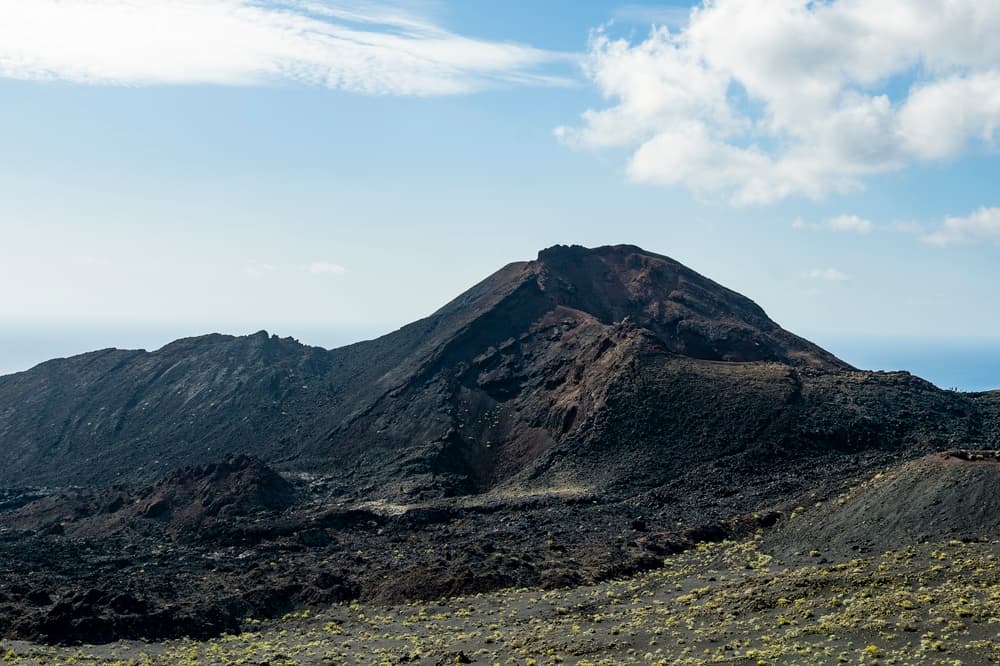
Teneguía, which erupted in 1971, is La Palma's most recent historic volcano. Hike across black lava, vineyards on ash, and enjoy Atlantic views at the island's southern tip.
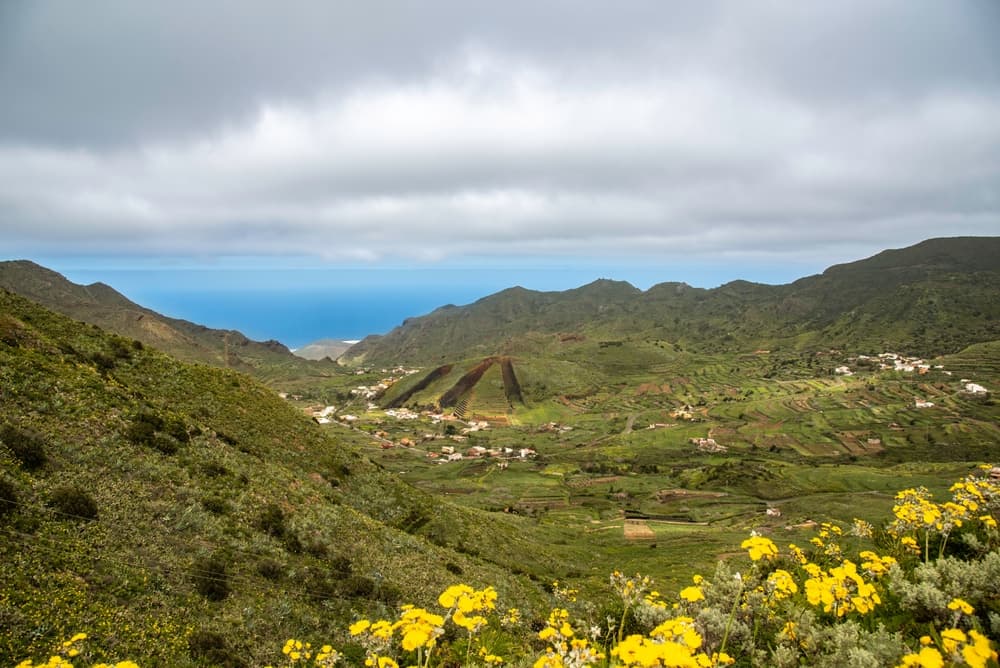
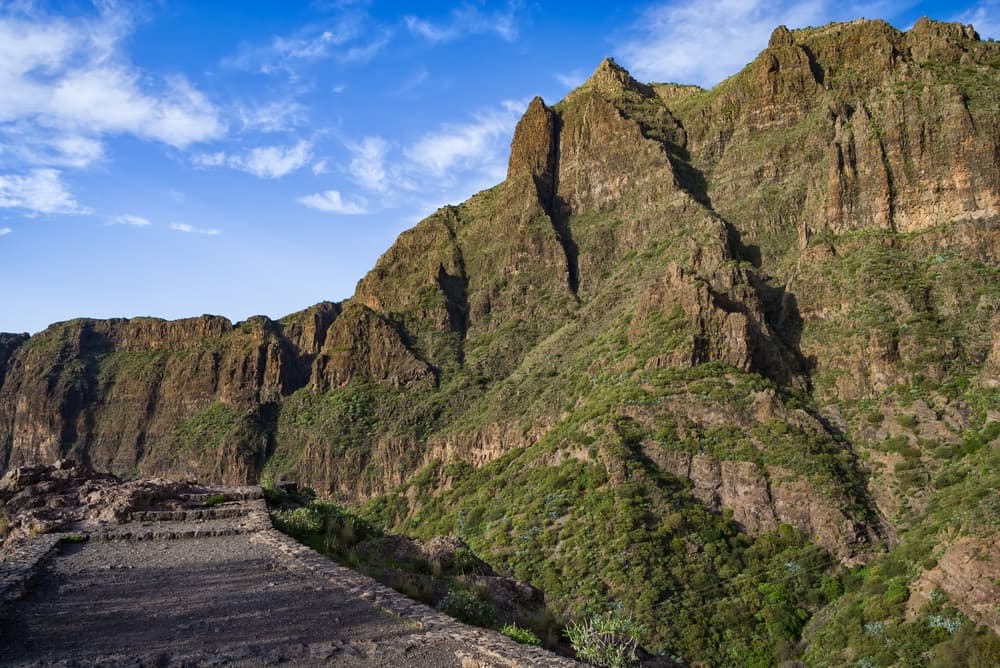
Tenerife's oldest volcanic massif, Teno Rural Park brings together Atlantic cliffs, laurel forest and the hilltop village of Masca in a preserved landscape on the island's north-west coast.
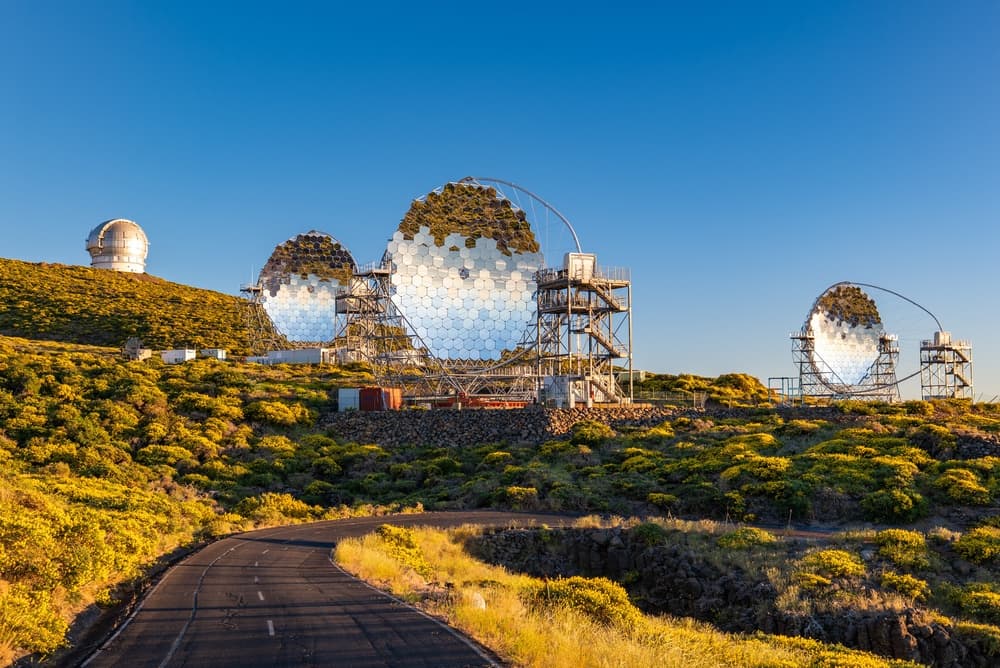
At 2,426 meters, Roque de los Muchachos offers sweeping views across all of La Palma and is home to one of the world's most prestigious astronomical observatories, beneath skies protected by law.
In southern Lanzarote, Playas de Papagayo comprises several unspoilt coves nestled between ochre cliffs and turquoise waters, at the heart of Los Ajaches natural park.
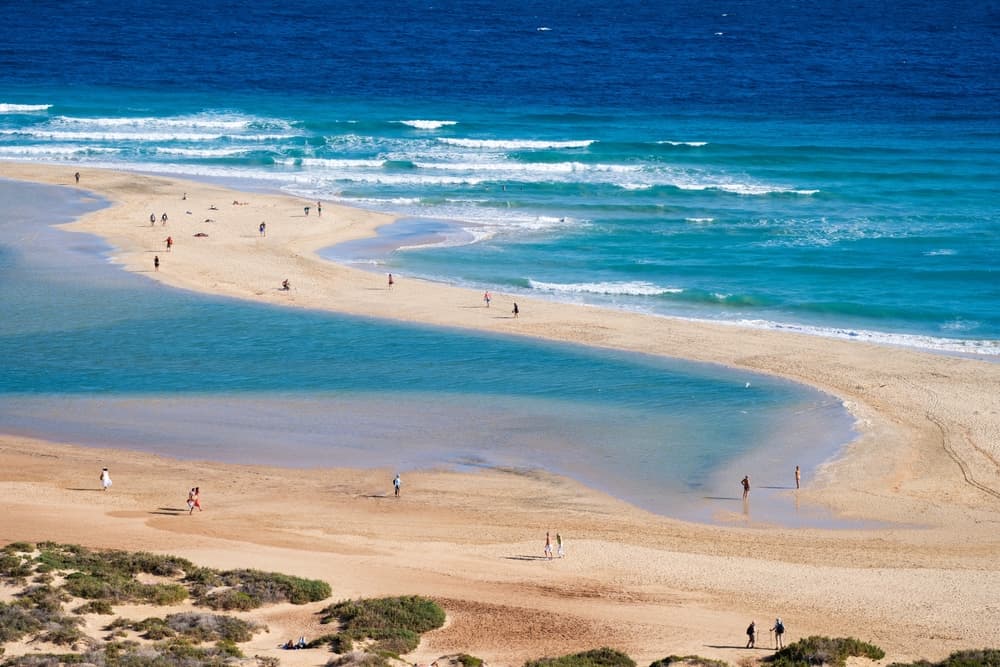
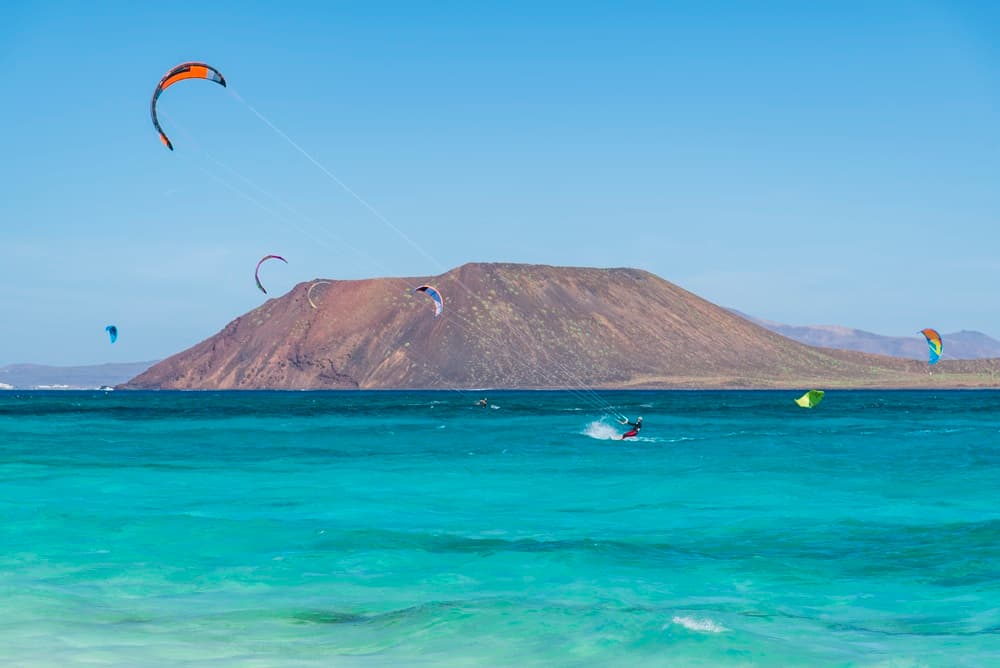
Playa Barca is the heart of Playa de Sotavento, in southern Fuerteventura. Its natural lagoon at low tide, turquoise waters and regular winds make it the favorite playground for kitesurf enthusiasts from around the world.
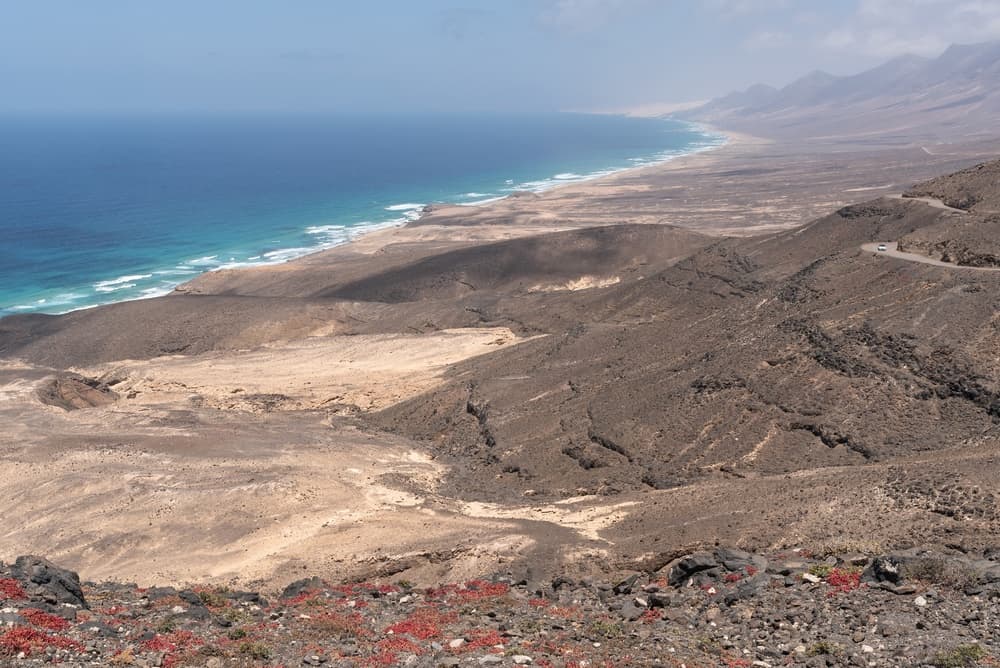
At the southern tip of Fuerteventura, Jandía Natural Park brings together Atlantic cliffs, turquoise lagoon, virgin beaches and volcanic hikes across 14,000 protected hectares.
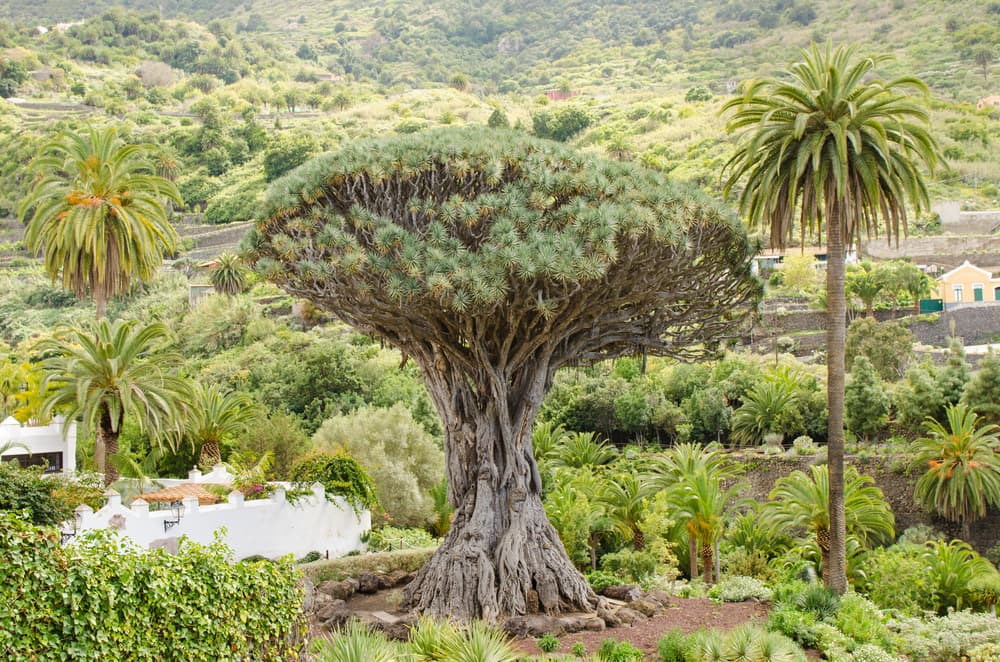
In Icod de los Vinos, Parque del Drago is home to the oldest dragon tree in the Canaries, a thousand-year-old specimen rising over 17 metres, surrounded by a rich botanical garden featuring endemic species.
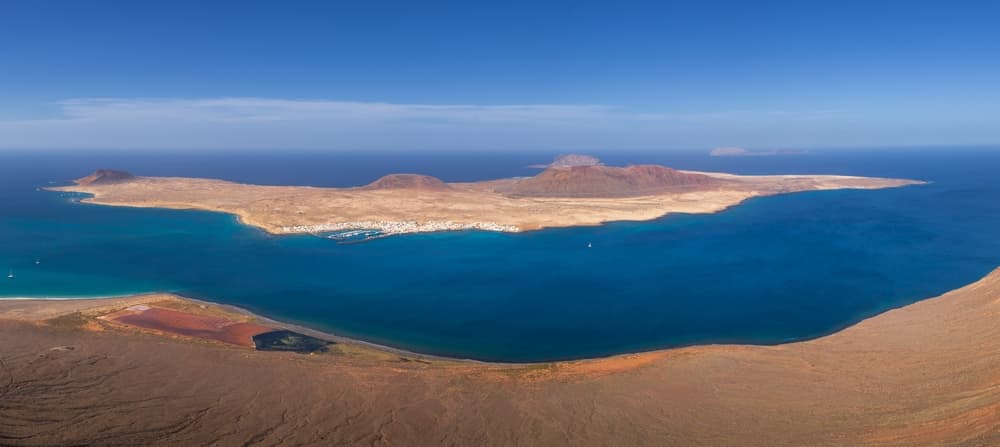
Carved into the volcanic cliff by César Manrique in 1973, the Mirador del Río dominates the El Río strait at over 470 metres altitude. Its panoramic windows frame La Graciosa like a living masterpiece.
A 17th-century manor house in La Orotava, Casa de los Balcones captivates with its carved wooden galleries, geometric pebble courtyard, and traditional Canarian embroidery workshops.
The Teno Massif, at the northwestern tip of Tenerife, is the island's most ancient volcanic formation. Atlantic cliffs, the village of Masca perched in its ravine and Punta de Teno compose a world apart.
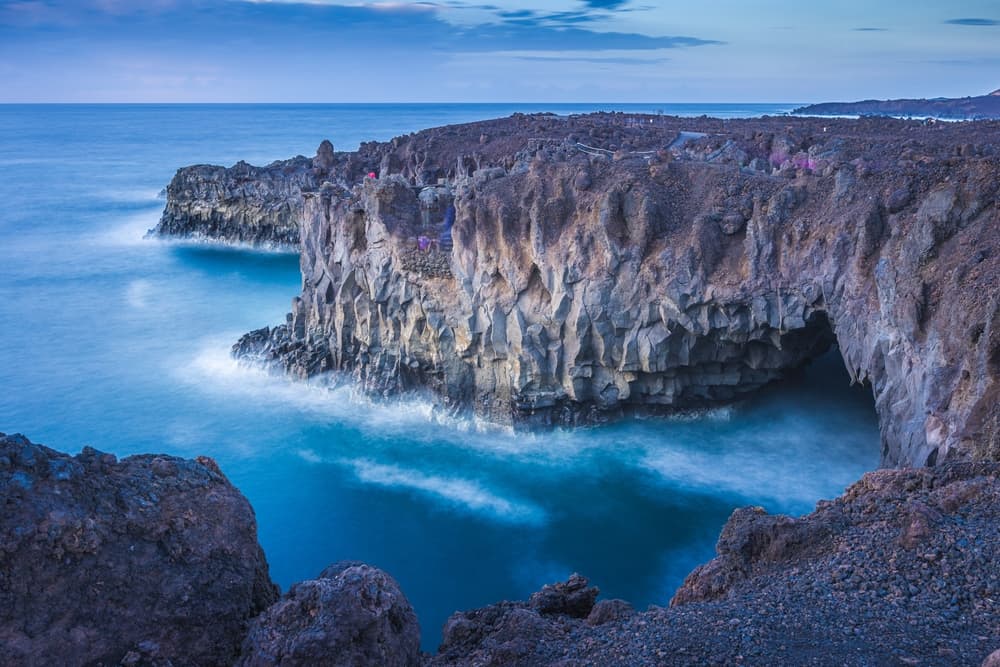
On Lanzarote's volcanic coastline, Los Hervideros captivates with its marine caves carved into black lava and Atlantic spray jets. A free natural site to combine with Timanfaya and the Salinas de Janubio.
In northern Fuerteventura, Corralejo brings together a natural park of Saharan dunes, beaches with turquoise waters, and an active harbor facing Lanzarote. Ideal for nature, kitesurfing, and excursions to Los Lobos.
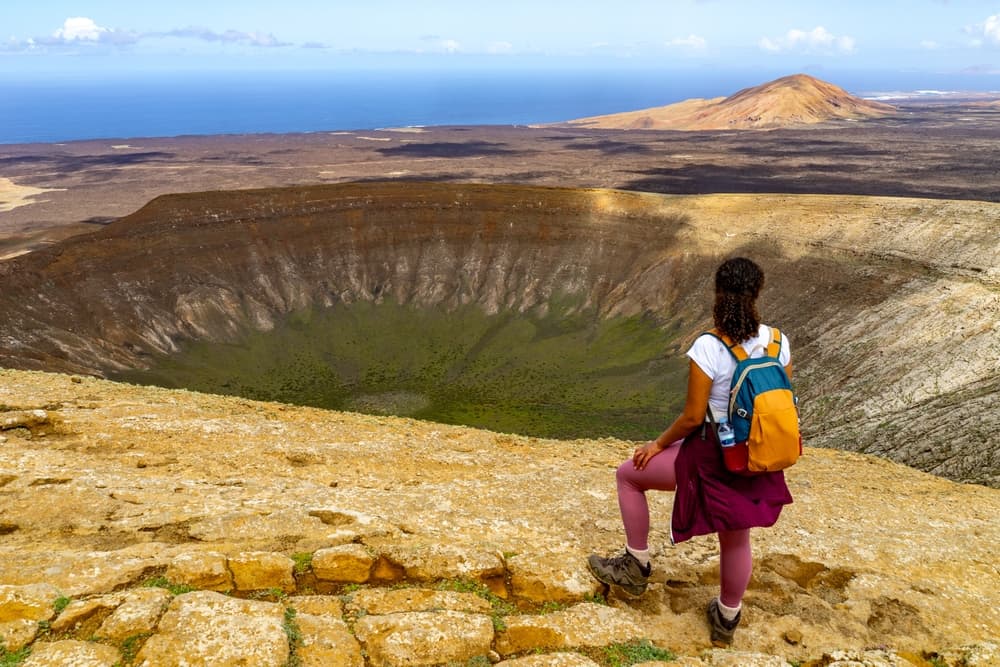
A volcanic crater nearly a kilometer in diameter, Caldera Blanca is explored on foot from Mancha Blanca. Free access, 3 to 4 hours of hiking through lava and white ash landscape in the heart of Lanzarote.
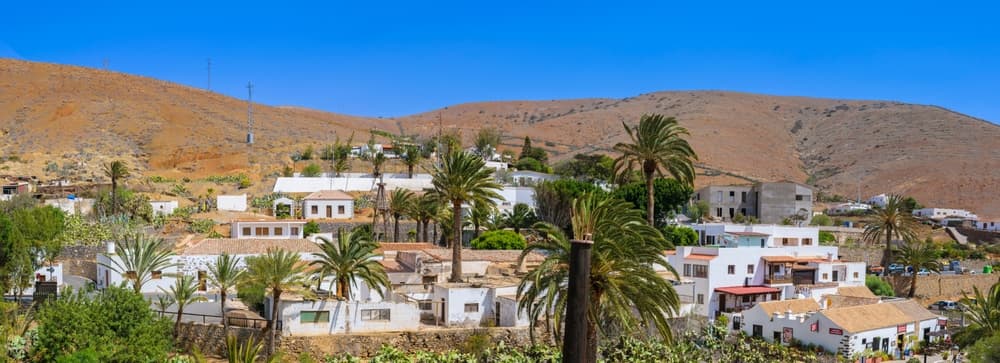
Once the capital of Fuerteventura, Betancuria preserves its 17th-century baroque church, Franciscan ruins and archaeological museums within an isolated volcanic valley setting.
18 of 24 results
We use cookies to improve your experience and measure our site's audience. You can choose what you accept. Learn more.