San Sebastián de La Gomera
San Sebastián de La Gomera
Capital of La Gomera, San Sebastián is the port from which Christopher Columbus set sail in 1492. Torre del Conde, Church of the Assumption and local cuisine make it an essential stop on the island.
San Sebastián de La Gomera is the capital of the island of La Gomera, in the Canaries archipelago. A small Atlantic port nestled between volcanic cliffs, the town owes its worldwide renown to Christopher Columbus, who made a stop here in 1492 before crossing the Atlantic. Today, its colonial streets, historic church and tranquil waterfront make it a natural waypoint for exploring the island.
Essential Information at a Glance
- Access: Ferry from Los Cristianos (Tenerife) — regular crossings, duration varies by operator.
- Airport: La Gomera airport is located in the south of the island, with connecting flights from Tenerife.
- Recommended duration: half a day for the historic center; a full day to combine the city with nearby excursions.
- Dress code: formal attire required in places of worship.
What to See
The historic center centers around the Plaza de las Américas and the waterfront. The Church of the Assumption (Iglesia de la Asunción), built in the 16th century, is the city's most important religious monument. The Torre del Conde, a medieval tower from the 15th century, is the only remaining military structure from the era of conquest still standing in La Gomera. The marina and ferry port structure daily life on the waterfront.
History and Context
Founded in the 15th century by Castilian conquistadors, San Sebastián quickly became the principal departure point to the New World. Christopher Columbus stayed here in August 1492 during his four voyages. The town preserves several sites linked to this memory: the Casa de Colón (supposed Columbus house), the Pozo de Colón (well where water was supposedly taken aboard) and the Church of the Assumption where he reportedly prayed before setting sail.
Highlights of Your Visit
Torre del Conde
This square tower of volcanic stone, erected around 1450, is designated a national historic monument. It served as a refuge for Beatrice of Bobadilla, the island's governor, during a 15th-century uprising. The exterior is freely accessible; the interior hosts temporary exhibitions.
Church of the Assumption
Built between the 16th and 17th centuries, it blends late Gothic and Mudéjar styles. Its austere façade and white bell tower dominate the city center. Inside, altarpieces and colonial paintings bear witness to the influence of exchanges with Latin America.
Casa de Colón and Pozo de Colón
These two sites form the heart of the city's "Columbian trail." The house contains a small museum dedicated to Columbus's voyages and La Gomera's history. The well, situated nearby, is one of the symbols of the link between the island and the discovery of the Americas.
The Waterfront and Port
The promenade along the port offers a direct view of ferries, fishing boats and surrounding cliffs. Terraces on calle del Medio and adjacent streets offer local cuisine: almogrote (spiced cheese paste typical of La Gomera), palm honey and grilled fish.
Etiquette and Visiting Rules
- Attire covering shoulders and knees required in the Church of the Assumption.
- Silence and discretion during religious services.
- Photography permitted outside monuments; check restrictions inside.
Photography Tips
Morning light is ideal for photographing Torre del Conde, which faces east. Sunset from the waterfront offers golden reflections on the volcanic cliffs. For the church, natural late-morning light illuminates the façade without backlight.
Location and Access
San Sebastián de La Gomera sits on the island's east coast, facing Tenerife. The ferry port is the main entry point. Local bus lines connect the capital to inland villages, notably Garajonay National Park. The town is walkable from the port; the historic center is compact and navigable on foot on main thoroughfares, though some streets are cobbled and steep.
Nearby Attractions
- Garajonay National Park — laurel forest designated a UNESCO World Heritage site, accessible from the capital in less than an hour.
- Valle Gran Rey — spectacular valley on the west coast, renowned for its black-sand beaches and terraced cultivation.
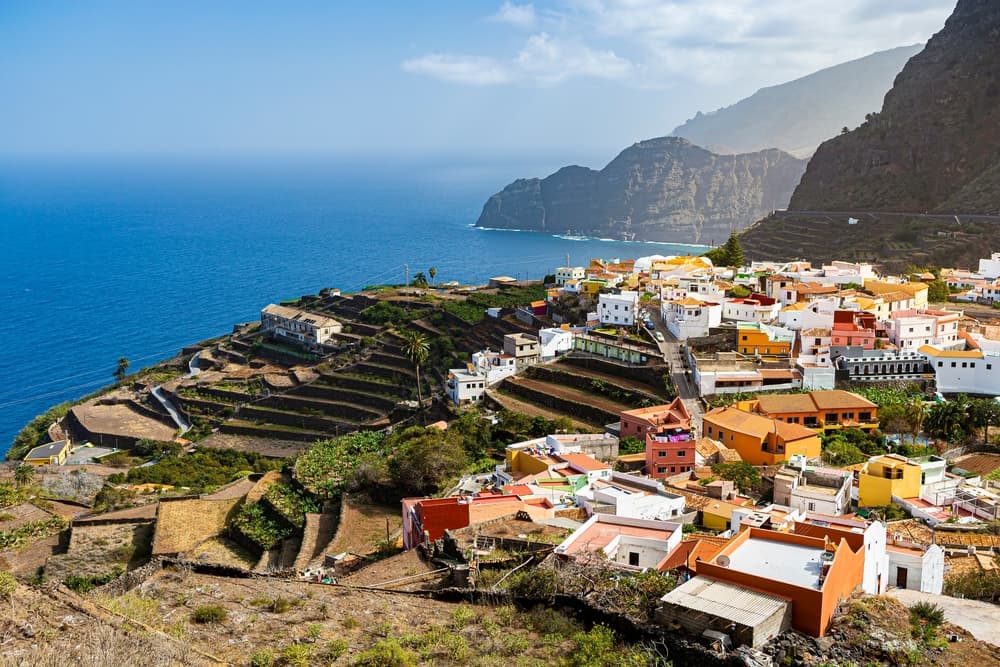
- Agulo — hilltop village in the north of the island, considered one of the most beautiful villages in the Canaries.
- Playa de Santiago — fishing village in the south, with a pebble beach and authentic atmosphere.
Frequently asked questions
The ferry from Los Cristianos (South Tenerife) is the most common connection. Several operators run regular crossings. A connecting flight from North Tenerife is also possible via La Gomera airport.
Half a day is enough to tour Torre del Conde, the Church of the Assumption, Casa de Colón and the waterfront. Allow a full day if you wish to dine locally and explore the immediate surroundings.
Yes. Arriving on an early ferry, you can explore the city center in the morning, then head to Garajonay National Park in the afternoon by bus or rental car.
The climate is mild year-round. Spring and autumn offer pleasant temperatures and fewer tourists. Summer is warmer and busier; winter remains mild but can be cloudier in the highlands.
Almogrote, a paste made from dry cheese and chili, is the local specialty worth taking home. Palm honey (guarapo) and grilled fish at the port round out a typical Gomeran table.
Photography is permitted outside all monuments. Inside the Church of the Assumption and Casa de Colón, check signs at the entrance, as rules may vary depending on current exhibitions.
Want to discover this destination?
Our local advisors design your tailor-made trip.