Transportation Options in the Canaries
The Canaries archipelago comprises 7 islands and 6 islets stretching 500 km from east to west. Its seven main islands are:
The Canaries archipelago comprises 7 islands and 6 islets stretching 500 km from east to west. Its seven main islands are:
- Lanzarote (north-east)
- Fuerteventura (centre-east)
- Gran Canaria (centre)
- Tenerife (centre)
- La Gomera (centre-west)
- La Palma (north-west)
- El Hierro (south-west)
Getting Around the Canaries
Between the Islands
Exploring the Canaries promises thrilling journeys. To travel from one island to another, visitors have two main options:
By Air
Domestic flights connect the Canary Islands, with each major island served by an airport. While flying is the fastest way to travel, it comes at a premium cost and schedules can be limited—flights aren't frequent. Expect a maximum flight time of one hour.
By Ferry
Boats are the most widely used transport for inter-island travel. Ferry companies offer daily or weekly services and can even transport your personal vehicle. Vessels range from high-speed ferries to hydrofoils. Travel time varies considerably, typically between one hour and a full day of sailing, depending on which islands you're connecting.
Exploring an Island
Several transportation choices await visitors, whether you prefer exploring on foot, by two-wheeler, or by car or 4x4.
Bicycles and Motorcycles
Two-wheelers are highly practical for sightseeing. They minimise parking hassles and help you avoid the congestion often found in larger towns.
Bus
Buses are affordable and readily available, particularly in major cities.
Taxi
Taxis are popular with travelers for their convenience and reasonable fares. Many visitors opt for taxis when visiting remote locations.
Car
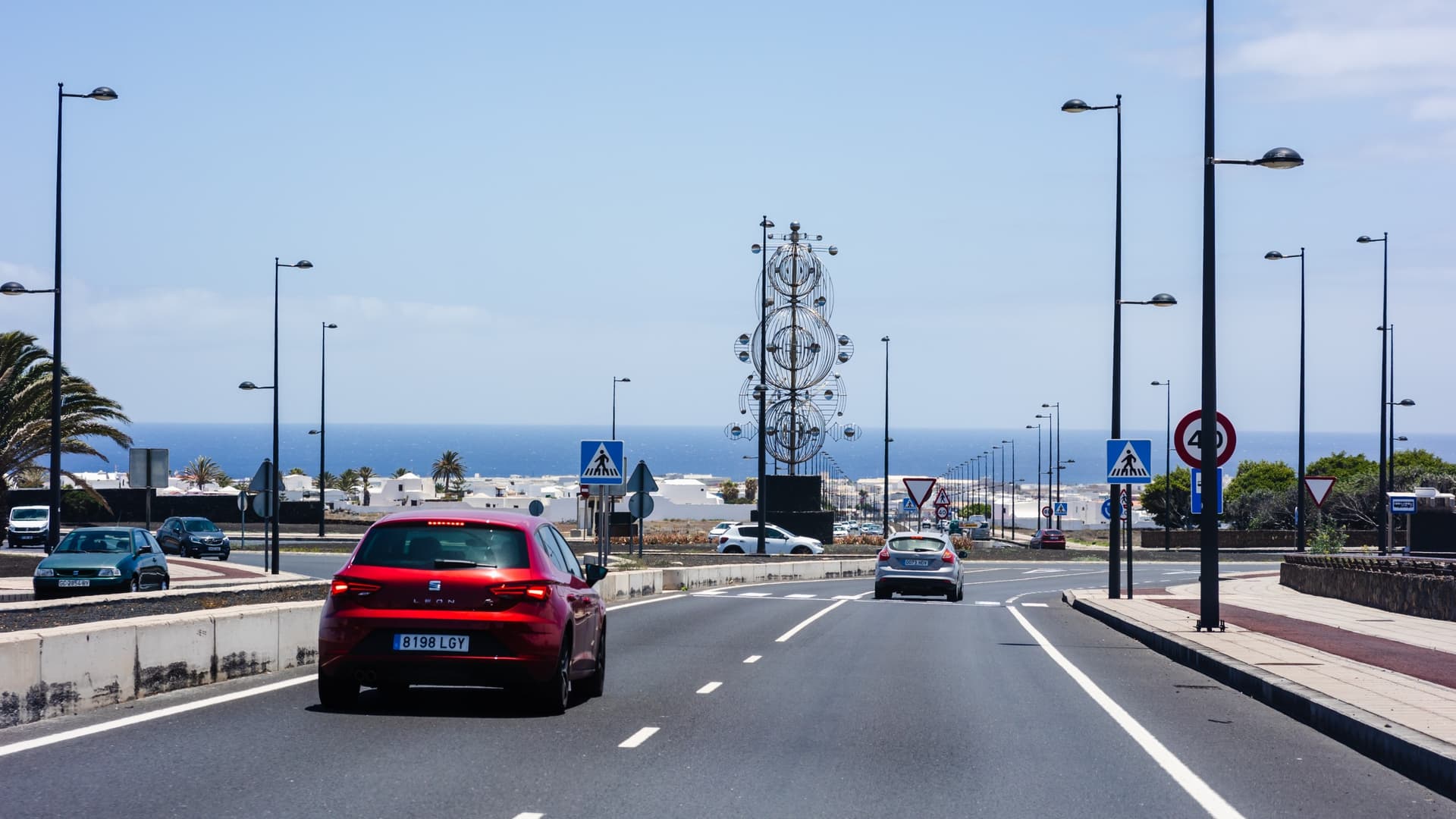
A personal or rental car offers the freedom to explore at your own pace. However, plan ahead for parking solutions, especially in larger cities—parking fines can be steep and surprisingly persistent (hefty penalties can follow you back to Europe).
Note that drivers are required to carry a fluorescent safety vest and two warning triangles in their vehicle. Speed limits are 120 km/h on motorways, 100 km/h on dual carriageways, and 90 km/h on main roads. The legal blood alcohol limit is 0.5 g.
