Jandía Natural Park (Parque Natural de Jandía)
Jandía Natural Park (Parque Natural de Jandía)
At the southern tip of Fuerteventura, Jandía Natural Park brings together Atlantic cliffs, turquoise lagoon, virgin beaches and volcanic hikes across 14,000 protected hectares.
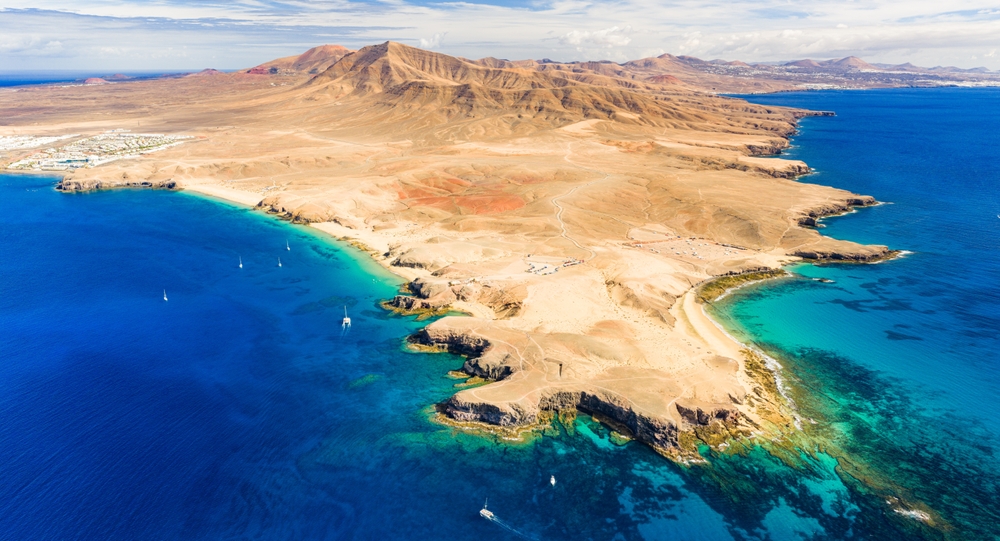
At the southern extremity of Fuerteventura, the Jandía peninsula shelters a natural park of approximately 14,000 hectares classified since 1987. Volcanic massif, golden dunes, wild beaches and turquoise lagoons coexist in an almost desert-like landscape. It is one of the largest protected areas in the Canaries, preserved from any construction and frequented by rare marine and terrestrial species.
Practical Information at a Glance
- Access: free entry to the park; certain tracks require a 4×4 vehicle
- Attire: closed-toe shoes recommended for volcanic trails
- Recommended duration: half-day to full day depending on the sector visited
- Accessibility for visitors with disabilities: limited on unpaved tracks; main beaches (Morro Jable) are more accessible
- Rules: wild camping prohibited, plant picking and rock collecting forbidden
What to See
The park divides into two distinct atmospheres. On the Atlantic side (west), cliffs plunge into rough seas, ideal for surfing and diving. On the lagoon side (east), the shallow turquoise waters of Sotavento welcome kitesurfers and pink flamingos in winter. The Jandía massif peaks at Pico de la Zarza (807 m), the highest point on the island.
History and Context
The peninsula was long private property of a German industrialist, Gustav Winter, who built an isolated villa there in the 1940s. This history still fuels local legends. The natural park was established in 1987 to protect dune ecosystems, marine beds and endemic Canary Islands flora.
Highlights of Your Visit
Pico de la Zarza
The hike to the summit (807 m) generally departs from Morro Jable. On clear days, the view encompasses the entire peninsula, African coasts and neighboring islands. The trail crosses low vegetation typical of the Canaries: spurges, tabaibas and cardoons.
Playa de Cofete
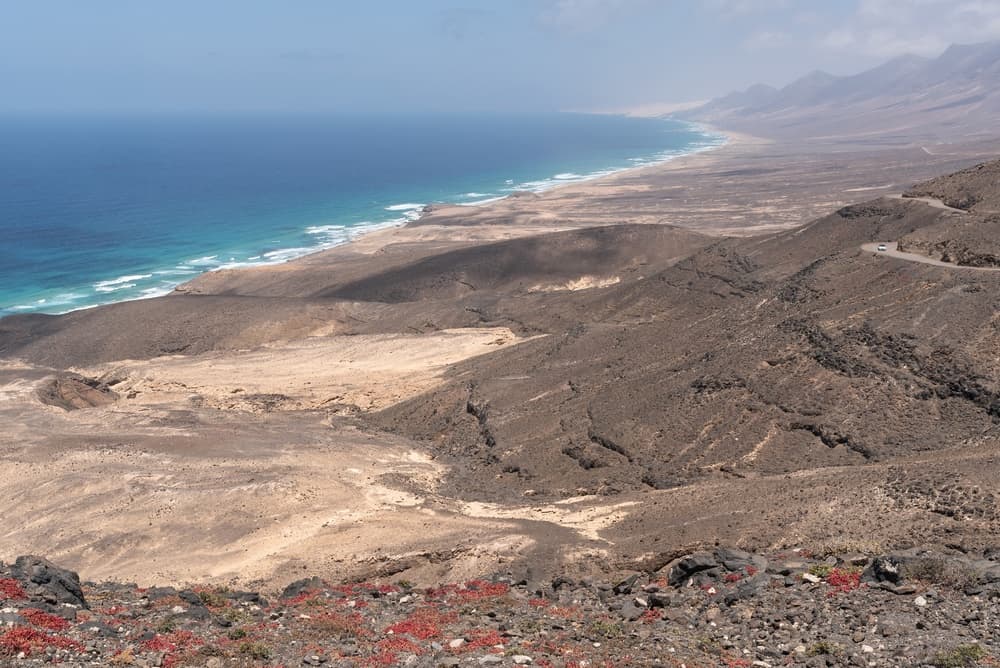
Accessible mainly by 4×4 track or on foot, this multi-kilometer beach remains virtually untouched. Atlantic waves are powerful there: swimming is not recommended, but the panorama is breathtaking. Villa Winter stands in the background on the heights.
Sotavento Lagoon
In summer, the shallow lagoon naturally forms between sandbars and the coast. It hosts an annual stage of the world championship in kitesurfing and windsurfing each year. Outside the season, pink flamingos and other waders regularly land there.
Marine Beds
The adjacent marine reserve protects posidonia seagrass meadows, stingrays and loggerhead sea turtles. Several diving centers operate from Morro Jable to explore these waters.
Photography Tips
Golden morning light is ideal at Cofete, before marine mist sets in. For Sotavento, the afternoon reveals the turquoise gradients of the lagoon. The Pico de la Zarza summit offers the best conditions in the morning, before orographic clouds that often form mid-day.
Location and Access
The park occupies the entire southern tip of Fuerteventura, approximately 100 km from Puerto del Rosario (the island's capital). The town of Morro Jable, at the entrance to the peninsula, serves as the main logistics base. A paved road connects Morro Jable to the Sotavento lagoon. For Cofete and the interior of the massif, an unpaved track is passable by 4×4 or on foot. Bus services (guagua) connect Morro Jable from the island's main beach resorts.
Around the Area
- Morro Jable — seaside town at the entrance to the park, with port, restaurants and ferry departures to Gran Canaria.
- Sotavento Beach — long white sand beach bordering the lagoon, a world-renowned hub for windsurfing and kitesurfing.
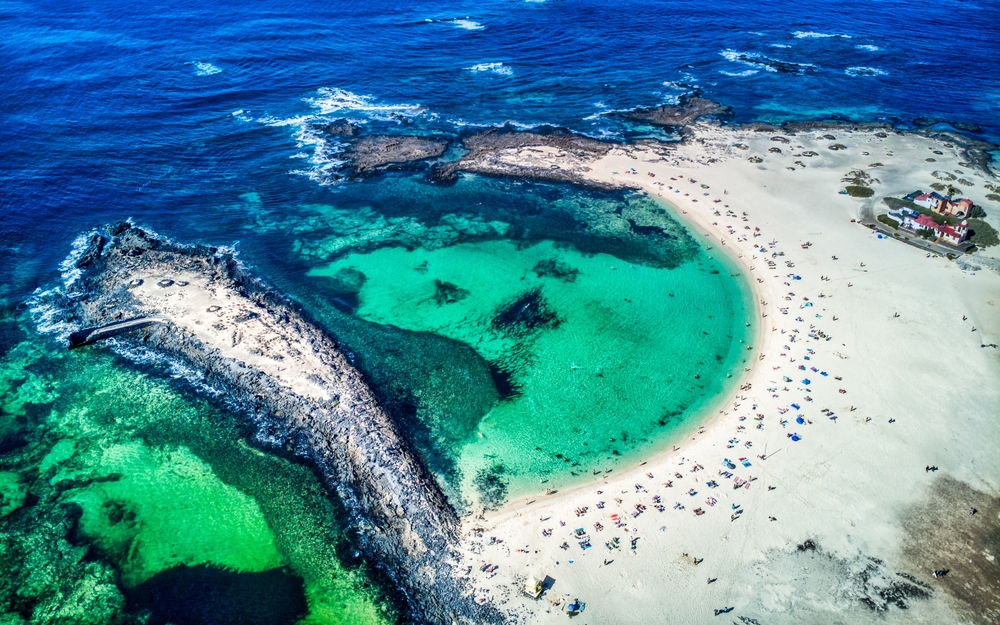
- Corralejo Dunes Natural Park — another major protected area in Fuerteventura, in the north of the island, with spectacular dunes.
- Villa Winter — mysterious 1940s residence on the heights of Cofete, steeped in legend.
Interested in this visit?
We can include it in your personalised itinerary.