Museum of Sacred Art of Santa Cruz de La Palma
Adjacent to the El Salvador church, the Sacred Art Museum of Santa Cruz de La Palma brings together Flemish paintings, liturgical silverware, and embroidered ornaments resulting from exchanges between the island and the New World.
The Sacred Art Museum of Santa Cruz de La Palma occupies a wing of the El Salvador church, in the heart of the island's capital. It houses religious works accumulated over centuries by parishes and convents throughout La Palma: Flemish paintings, polychrome sculptures, liturgical silverware, and embroidered ornaments testify to the island's prosperity during the colonial era.
What to See
The collection spans several centuries of Hispanic-American and European religious art. You'll find sixteenth-century Flemish school paintings, polychrome wooden sculptures by local and Seville artisans, as well as silverware pieces—chalices, custodials, reliquaries—in worked silver. Embroidered liturgical ornaments, some of American origin, illustrate the exchanges between La Palma and the New World.
History and Context
Santa Cruz de La Palma was one of the most active Atlantic ports in the sixteenth and seventeenth centuries. Wealth from trade with the Americas financed churches and convents, furnished with artworks imported or commissioned locally. The museum preserves this dispersed heritage, safeguarding pieces that might have deteriorated in poorly adapted sacristies.
Highlights of Your Visit
Flemish Paintings
Several Flemish panels and canvases, which arrived in La Palma via Atlantic trade, rank among the collection's rarest pieces. Their state of conservation is remarkable given their age.
Liturgical Silverware
The silver pieces—chalices, censers, custodials—reflect the craftsmanship of Seville and local goldsmiths. Some bear identifiable hallmarks that allow precise dating.
Embroidered Ornaments
The embroidered chasubles and dalmatic vestments, sometimes enriched with threads of gold and silver, constitute a rare textile collection in the Canaries. Several pieces come from Mexican and Peruvian workshops.
Etiquette and Visiting Rules
- The museum is adjacent to an active church: wear modest clothing and behave respectfully.
- Avoid visits during religious services.
- Inquire on-site about photography permissions, which may vary by room.
Photography Tips
Natural light is often limited in the galleries. Disable your flash to avoid damaging ancient pigments. Focus on silverware details and embroideries, which reveal their richness in raking light. Verify on-site whether photography is permitted.
Location and Access
The museum is located in the historic center of Santa Cruz de La Palma, immediately near Plaza de España and the El Salvador church. The city center is easily accessible on foot from the waterfront. The historic quarter, which is classified, concentrates most of the island's architectural heritage.
Nearby
- El Salvador Church — sixteenth-century Gothic-Renaissance building, directly adjacent to the museum.
- Plaza de España — central square bordered by houses with carved wooden balconies, emblematic of Palmera architecture.
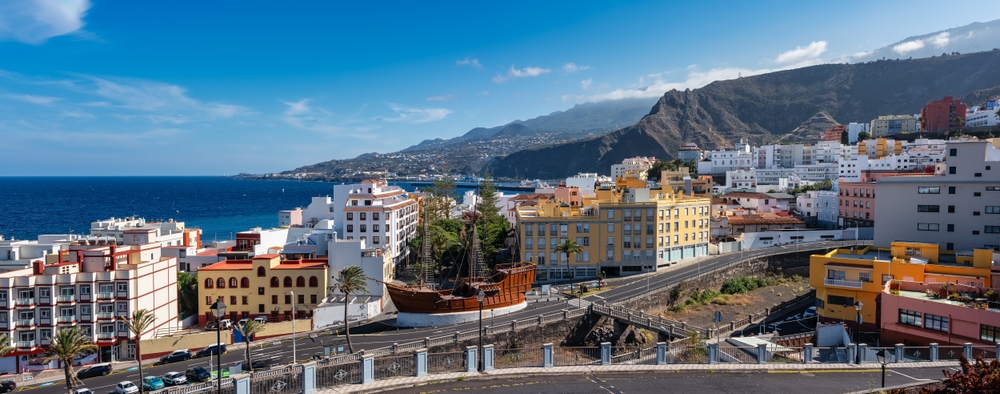
- Avenida Marítima — waterfront with its colorful façades reproducing the houses of Christopher Columbus.
- Castillo de Santa Catalina — seventeenth-century fortress overlooking the port, a few minutes' walk away.
Frequently asked questions
An entrance fee is generally required, but the exact amount should be verified directly on-site or through the Santa Cruz de La Palma tourism office, as it may change.
One to one and a half hours is sufficient to tour the collection carefully. Allow more time if you wish to also visit the adjacent El Salvador church.
Rules vary by room. Ask at the entrance desk upon arrival. Flash is generally prohibited to preserve ancient works.
Accessibility may be limited due to the age of the building. Contact the museum before your visit to learn about available facilities.
The museum can be visited year-round. Avoid major religious holidays, when access may be restricted due to ceremonies in the adjacent church.
Yes. El Salvador church, Plaza de España, and Avenida Marítima are all within a few minutes' walk. Half a day allows you to cover the entire classified historic center.
Interested in this visit?
We can include it in your personalised itinerary.