Teno Rural Park
Teno Rural Park
Tenerife's oldest volcanic massif, Teno Rural Park brings together Atlantic cliffs, laurel forest and the hilltop village of Masca in a preserved landscape on the island's north-west coast.
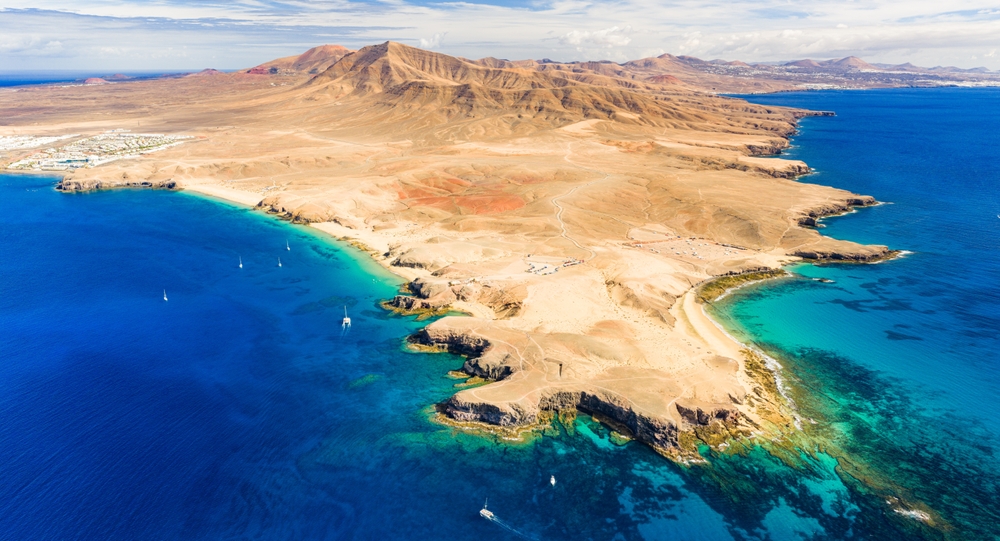
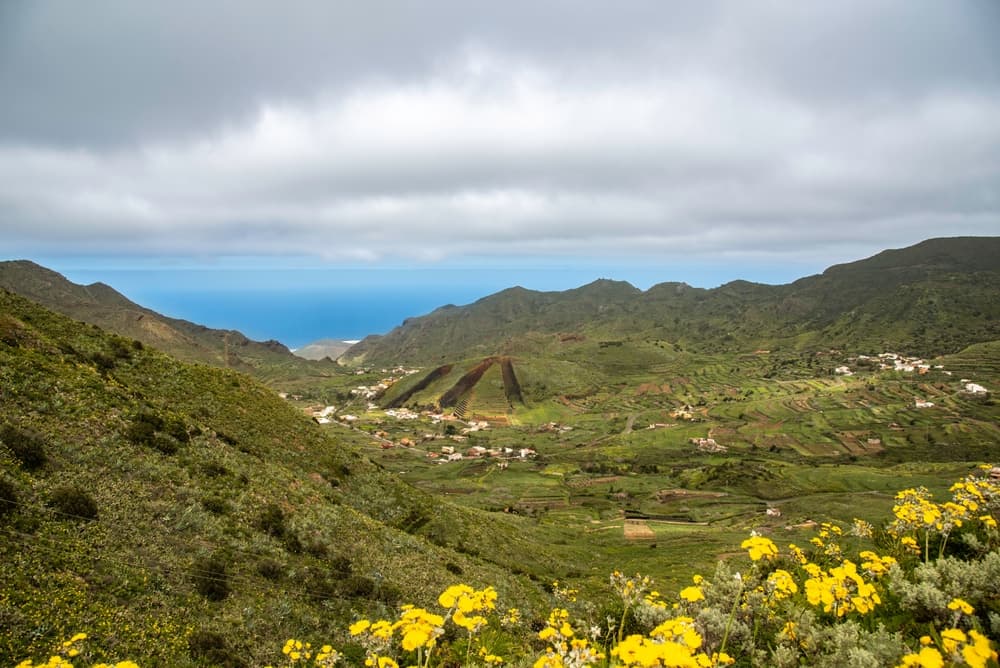
At the far north-west tip of Tenerife, Teno Rural Park occupies one of the island's oldest volcanic massifs. Steep cliffs plunging into the Atlantic, ravines carpeted with laurel forest, white villages clinging to hillsides: this protected territory stands in stark contrast to the developed south. Here, Tenerife reveals its raw geology and most unspoilt landscapes.
Practical Information at a Glance
- Access: main road from Buenavista del Norte or Santiago del Teide; some sections are narrow and winding.
- Entry: free access to the park; certain areas (Masca) may be subject to visitor regulations — check before you go.
- Recommended duration: minimum half-day, full day to combine hiking and village visits.
- What to wear: hiking boots essential on trails; bring plenty of water.
- Accessibility: limited — trails are mostly unimproved.
What to See
The park is organised around several distinct landscape features. The Los Gigantes cliffs form its south-eastern maritime edge, with vertical walls among Europe's highest. The village of Masca, nestled in a spectacular ravine, is the focal point of most visits. The northern slopes harbour laurel forests designated as a UNESCO World Heritage site.
History and Context
The Teno massif is the oldest of Tenerife's three volcanic shields, formed some six to eight million years ago. Its geographical isolation has preserved remarkable biodiversity and rural traditions — goat herding, terrace farming — still visible in the hamlets of Teno Alto and Masca. The rural park was officially established to protect this natural and cultural ensemble.
Highlights of Your Visit
The Village of Masca
Perched over 600 metres above sea level in a steep ravine, Masca is reached by a tightly winding road. The village retains vernacular architecture in volcanic stone. The trail descending from Masca to the beach of the same name (approximately 3-4 hours one way) ranks among Tenerife's most celebrated hikes.
Teno Alto and Agricultural Terraces
This high-altitude hamlet offers sweeping views across surrounding ridges and valleys. Dry-stone terraces bear witness to traditional farming practices maintained despite rural decline. The atmosphere here is tranquil, far removed from Masca's tourist crowds.
Laurel Forest
On slopes exposed to trade winds, the laurel forest forms a dense, humid canopy. This vegetation type, a relict from the Tertiary period, shelters endemic species of ferns, mosses and birds such as the dark-tailed laurel pigeon (Columba bollii).
Punta de Teno Lighthouse
At Tenerife's far north-western point, this lighthouse marks the park's seaward boundary. Private vehicle access is regulated; a shuttle service from Buenavista del Norte serves the site. On clear days, the panorama across to La Gomera and La Palma is breathtaking.
Photography Tips
Morning light is ideal for photographing Masca before tour groups arrive. For Los Gigantes cliffs viewed from within the park, dusk delivers striking contrast. Punta de Teno lighthouse suits long exposures in late afternoon. Avoid midday hours in summer: thermal haze reduces visibility to neighbouring islands.
Location and Access
Teno Rural Park occupies Tenerife's north-western corner. The two main gateways are Buenavista del Norte to the north and Santiago del Teide to the south-east. Road TF-436 crosses the massif connecting these two poles via Masca. Bus services (guaguas) link Buenavista to Puerto de la Cruz and Santa Cruz, but connectivity within the park remains limited — a rental vehicle greatly facilitates exploration.
Nearby Attractions
- Los Gigantes Cliffs — volcanic walls plunging directly into the ocean, accessible by boat from Puerto de Santiago.
- Buenavista del Norte — quiet agricultural town with a 16th-century church, departure point for Punta de Teno.
- Garachico — former port swallowed by an eruption in 1706, now a coastal village with natural lava pools.
- Icod de los Vinos — renowned for its thousand-year-old dragon tree and cellars of local wine.
Frequently asked questions
Visitor access to Masca and its trail is subject to regulations that evolve over time. Check with Tenerife's regional government or your local agency before your visit, especially for the descent to the beach.
Spring (March-May) and autumn (September-November) offer pleasant temperatures for hiking. In summer, heat and visitor numbers rise; in winter, northern slopes may be cloudy but vegetation is lusher.
The descent takes approximately 3 to 4 hours over rocky, sometimes slippery terrain. Hiking boots, abundant water and good fitness are essential. The ascent is considerably more demanding.
Private vehicle access is regulated and often prohibited at peak hours. A shuttle from Buenavista del Norte serves the lighthouse; check current schedules during your stay.
Yes, starting early from Santiago del Teide. Cross the park to Masca in the morning, then head to Puerto de Santiago for a boat tour at the cliff base in the afternoon.
Masca has a few small restaurants and bars. Outside the village, facilities are very limited: plan for a picnic and bring water for any hike in the massif.
Interested in this visit?
We can include it in your personalised itinerary.