Yaiza
Yaiza is a white village in southwestern Lanzarote, spared by the 1730 eruptions. Between black lava flows, La Geria vineyards and Timanfaya Park, it offers an authentic stop far from mass tourism.
Yaiza is a village in southwestern Lanzarote, nestled between the black lava flows of Timanfaya National Park and the vineyards of La Geria. Its white houses with green shutters, quiet streets and colonial church make it one of the best-preserved villages on the island. It's also the natural gateway to the Montañas del Fuego and the wild Papagayo coast.
Quick facts
- Access: car recommended — Yaiza is located about 25 km south of Arrecife, Lanzarote's capital.
- Suggested duration: 1 to 2 hours for the village; plan a half-day if combining with Timanfaya.
- Dress code: no particular constraints for the village; closed-toe shoes recommended for nearby volcanic trails.
What to see
The heart of the village revolves around the Plaza de los Remedios, a palm-shaded square facing the church of the same name. The architecture is typically Canarian: white volumes, dark volcanic stone door frames, bougainvillea-filled gardens. A handful of art galleries and local cuisine restaurants line the main streets.
History and context
Yaiza survived the volcanic eruptions of 1730-1736, among the longest in the modern history of the Canaries. The lava engulfed several neighboring villages but spared Yaiza, giving it particular significance in local memory. The village has preserved its colonial urban fabric, ranked among the finest in Lanzarote.
Highlights of your visit
The Church of los Remedios
Built in the 18th century, this austere white church overlooks the central square. Its squat bell tower and thick walls are characteristic of Canarian religious architecture of the era. The interior is simple and bright, with a few ancient altarpieces.
Plaza de los Remedios
The square is the pulse of the village. Benches beneath the palms, café terraces, views of white rooftops and volcanic hills in the distance — this is where Yaiza's rhythm is best felt.
The volcanic surroundings
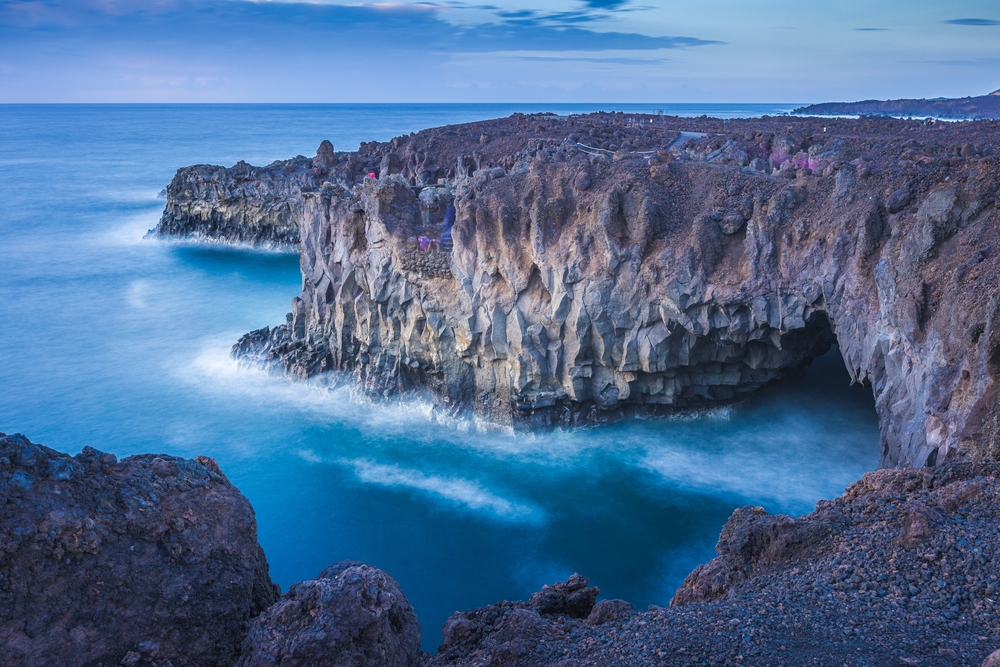
Leaving the village westward, the landscape quickly shifts into the malpais — these expanses of solidified lava, black and tormented, contrasting sharply with the white of the houses. This transition is striking and highly photogenic.
Photography tips
Morning light is ideal for photographing white facades without harsh shadows. The angle from the square, with the church as a backdrop and palms in the foreground, is the classic shot. For lava-village contrasts, position yourself at the village's western edge in late afternoon.
Location and access
Yaiza sits in southwestern Lanzarote, at the edge of Timanfaya National Park. A car is the most practical option. Buses connect Arrecife to Yaiza, but frequencies are limited. The village center is walkable, but less suitable for wheelchairs due to uneven cobblestones.
Nearby attractions
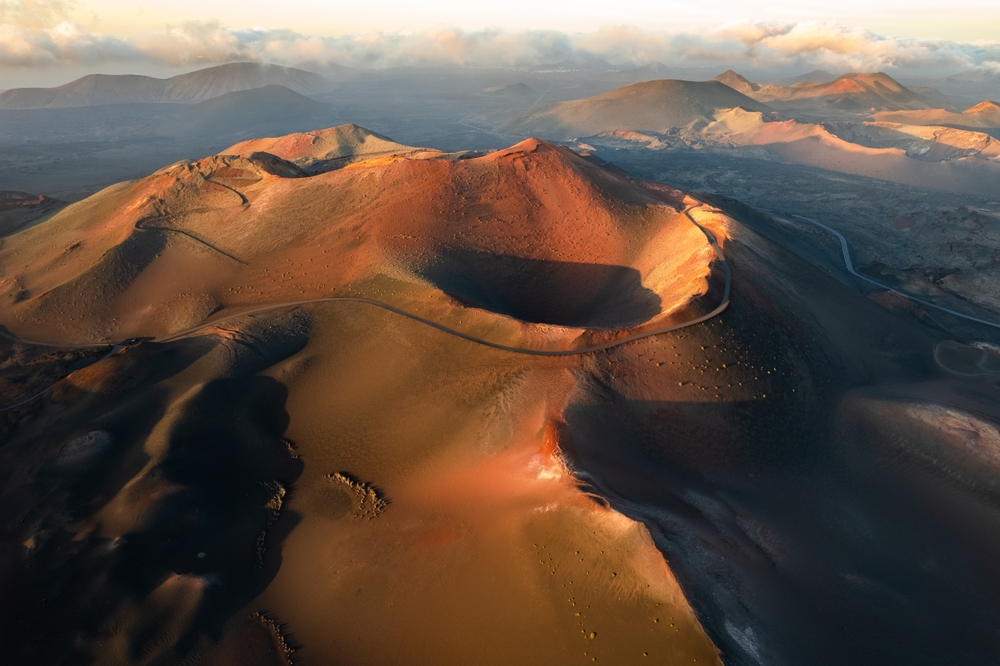
- Timanfaya National Park — The Montañas del Fuego, just a few kilometers away, offer a lunar landscape born from 18th-century eruptions.
- La Geria — Lanzarote's wine region, with vines planted in volcanic ash craters, stretches northeast of Yaiza.
- Playa Blanca — Seaside resort and ferry port to Fuerteventura, about ten kilometers south.
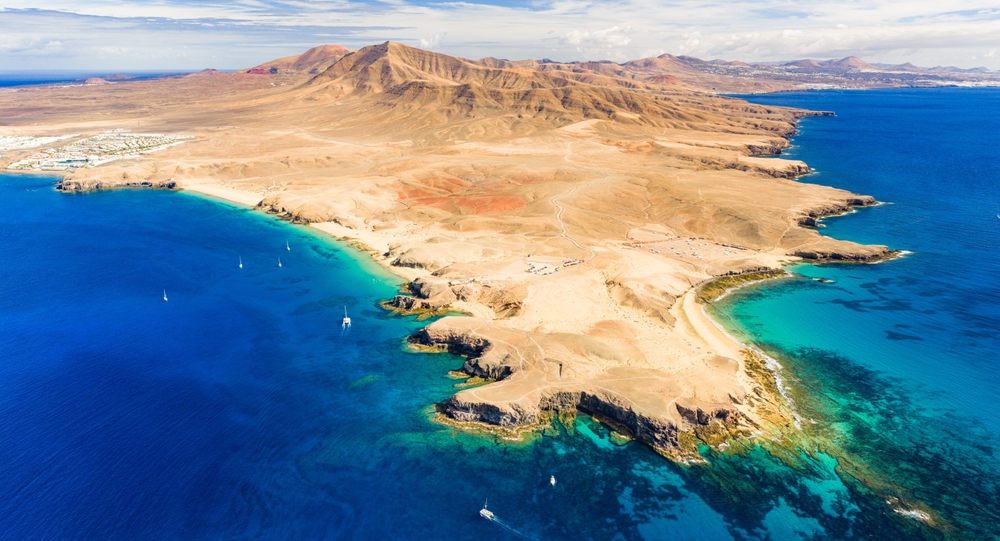
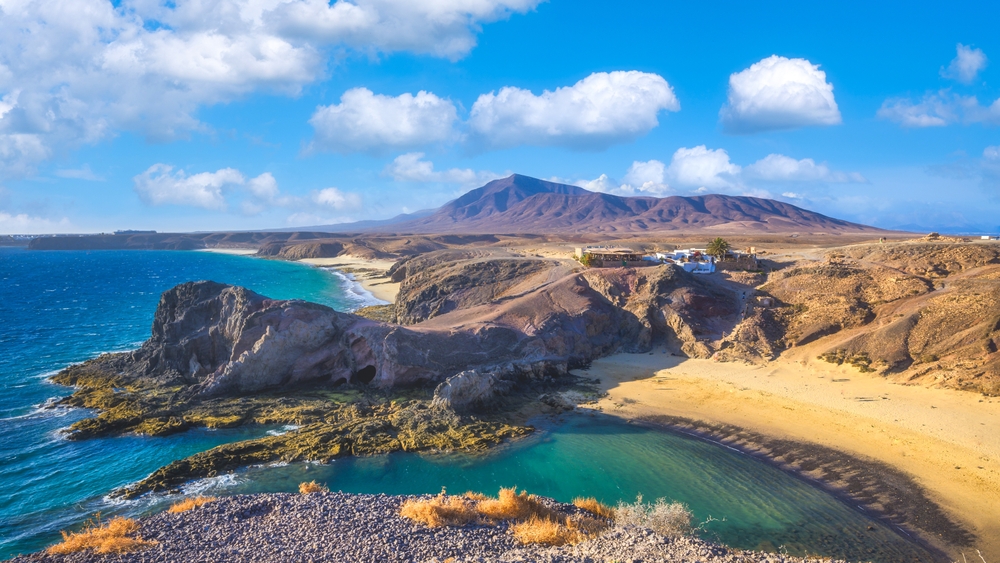
- Papagayo Beaches — Wild coves with turquoise waters, accessible from Playa Blanca, among the island's finest.
Frequently asked questions
Yes, even without visiting Timanfaya. The village itself deserves a stop for its preserved architecture, central square and calm atmosphere that contrasts with the tourist zones to the south.
Absolutely. Yaiza takes one to two hours to explore, leaving plenty of time to move on to the neighboring national park within the same half-day.
Several restaurants offer traditional Canarian cuisine around the central square. The selection is modest but authentic, far from the mass-market catering of nearby beach resorts.
Lanzarote enjoys mild weather year-round. Spring and autumn offer pleasant temperatures for strolling. Summer can be hot and windy.
A car is the most convenient option. Bus connections exist from Arrecife, but frequencies are limited — check local schedules before you go.
Want to discover this destination?
Our local advisors design your tailor-made trip.