Visiting Teide National Park: Our practical guide
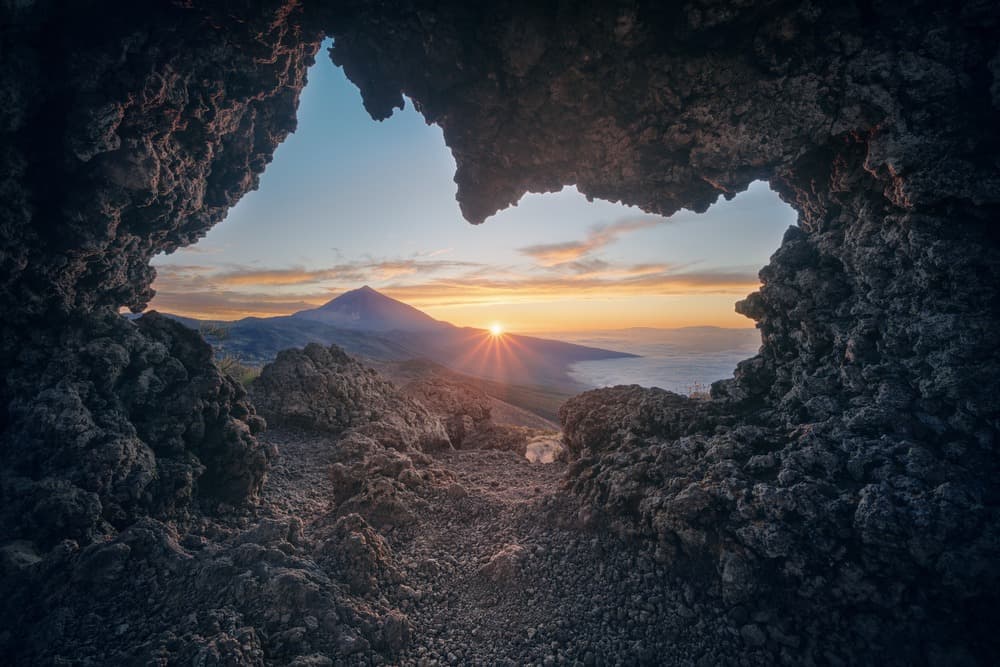
Teide National Park takes its name from the Teide-Pico Viejo stratovolcano. With an altitude of 3,718 meters, it is Spain's highest point and the third-highest volcano on the planet.
The Teide National Park takes its name from the Teide-Pico Viejo stratovolcano. With an altitude of 3,718 meters, it is Spain's highest point and the third-highest volcano on the planet. In other words, it's a must-see stop on any trip to Tenerife! So if you're planning to visit Teide National Park, discover our practical guide!
How to get to Teide National Park?
Located in the center of Tenerife, Teide National Park covers approximately 19,000 km². To get there, you have 4 options:
By car: if you rent a car in Tenerife, you can reach the park via the TF-21 road. We highly recommend taking it, as the landscapes it passes through will make you feel like you're on another planet. You can stop whenever you like at the numerous viewpoints to enjoy the different vistas, or park near the cable car station to hike to the summit of Teide or around the caldera.
By bus: if you don't have a vehicle, you can take a bus to Teide National Park on line 348 from Puerto de la Cruz or line 342 from Costa Adeje.
On an organized tour: there are many organized tours that allow you to take excursions in Teide National Park. Don't hesitate to contact us for more information!
Different ways to ascend Teide Peak
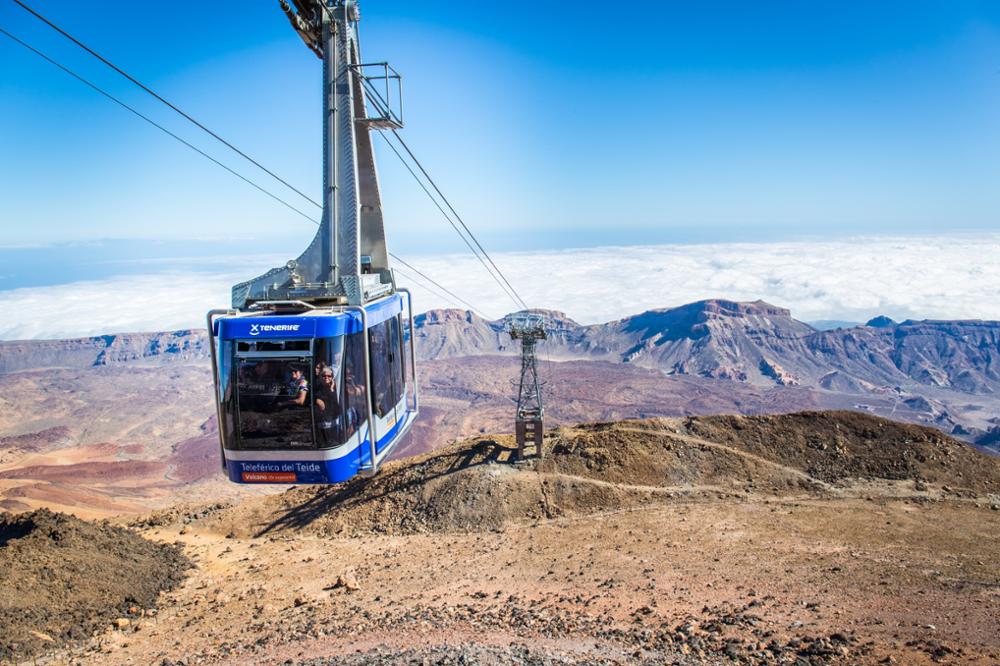
To ascend Teide, several options are available:
Take the cable car and finish the ascent on foot
This is undoubtedly the most comfortable way to approach Teide Peak. Accessible by car, the cable car departure station is located at 2,356 meters altitude. It allows you to reach, in 8 minutes, La Rambleta at 3,555 meters altitude where an exceptional panorama awaits you.
For those who wish to continue, you can take trail #10 Telesforo Bravo with or without a guide. This hiking trail leads to the summit of Teide. While not long (163 m), the difficulties lie in its elevation gain and high altitude. It is recommended to be in good physical condition to undertake it and to have no respiratory or pulmonary problems, high blood pressure, or heart deficiency. Plan for just under an hour of walking.
Climb to the Teide summit without using the cable car
Adventure seekers and hiking enthusiasts can reach Teide Peak without taking the cable car. The first stage of the route involves taking trail number 7 Montaña Blanca. This will lead you to the Altavista refuge where you can take a break. The second stage starts from the Altavista refuge via trail number 11 Fortaleza to reach La Rambleta (the cable car's lower station). All that remains is the final stage: ascending the summit via trail number 10 Telesforo Bravo. In total, plan for between 5 and 7 hours of walking depending on your pace.
If climbing Teide Peak isn't a walk in the park, the spectacle upon arrival will make you forget all the effort. If weather conditions are favorable, you may even catch sight of the other Canaries islands! To descend, you can take the same trails as the way up or choose the cable car option.
Important: Accessing Teide Peak requires entry authorization
Whether you decide to climb Teide Peak with or without the cable car, you must request authorization issued free of charge on the National Park's official administration website. Indeed, for preservation reasons, access to Teide Peak is limited to a maximum of 200 people per day. Remember to make your request several weeks in advance.
Note:
If you travel with one of our English-speaking guides or if you undertake the hike at night (leaving the trail by 9 a.m. at the latest), you will not need to request authorization to climb Teide.
Check with the agency
Different hiking trails around Teide
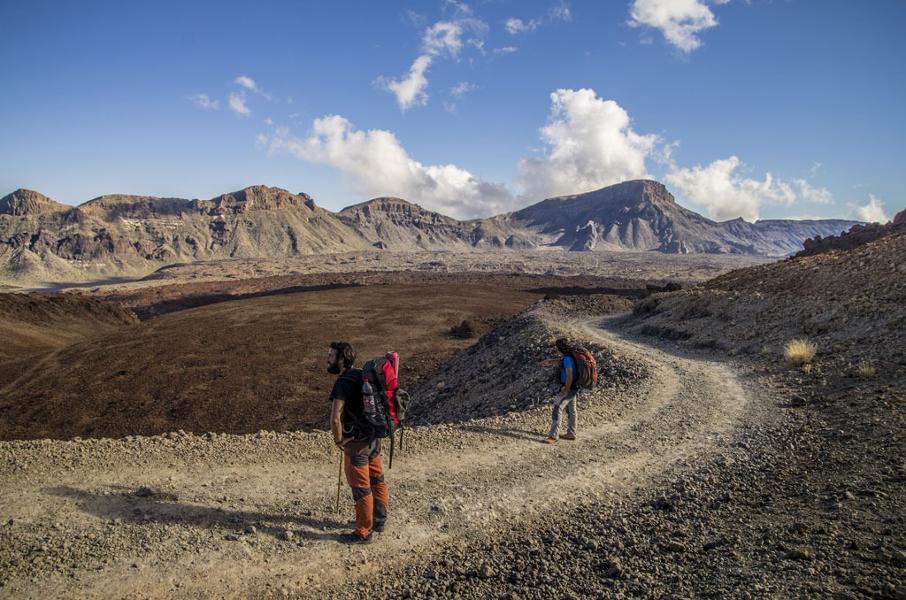
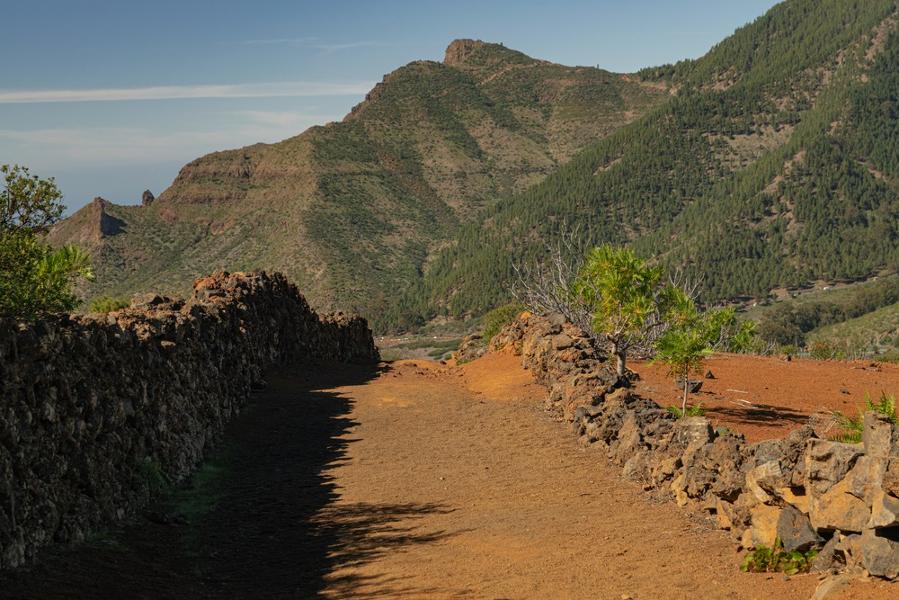
If you wish to visit Teide National Park without necessarily climbing the peak, know that there are numerous hiking trails that allow you to discover unique landscapes around the Teide volcano. Between craters, volcanoes, chimneys, and petrified lava flows… The entire park forms an extraordinary geological treasure. Among the multiple hiking trails worth exploring, we can mention the Montaña Blanca trail, the Pico Viejo Viewpoint, the Roques de García trail, the Samara trail, the Guajara Mountain trail, Corona Forestal, or the Siete Cañadas.
What is the best time to visit Teide National Park?
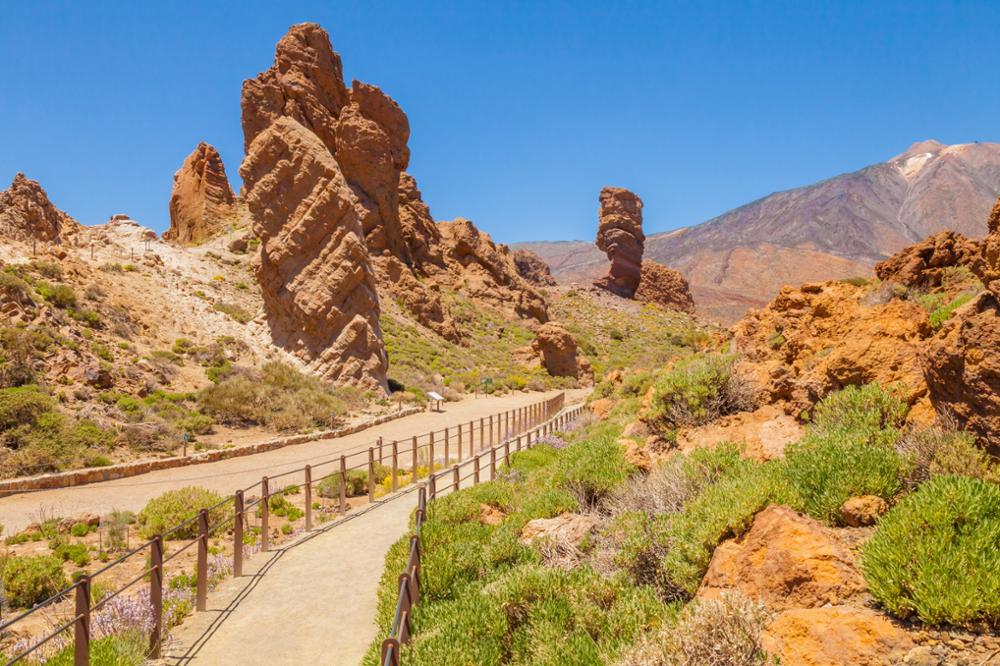
Offering mild and pleasant temperatures year-round, Tenerife is said to be the island of eternal spring. While it's possible to visit Teide National Park and climb it any time of year, weather conditions can vary from day to day. To enjoy favorable weather, the best time to visit Teide National Park is from May to November. Indeed, Teide's summit can be snow-covered during winter (with temperatures approaching 0°C), which can lead to the closure of hiking trails. Furthermore, it's important to know that the cable car can close in case of strong winds.
To check real-time weather conditions and know if the cable car and hiking trails are open, you can visit the website https://teide.guide/fr/preparez-votre-visite/#le-teide-aujourd-hui
What clothing to bring to visit Teide National Park?
As mentioned, temperatures vary depending on the season and altitude. Thus, the higher you climb, the lower the temperatures become. This is why it's imperative to bring warm clothing (coat, scarf, gloves, fleece…) for hiking in Teide National Park. Generally speaking, and regardless of the season, plan for good hiking boots, a raincoat, water, and sun protection (sunscreen, sunglasses, hat or cap…). Don't forget to bring water, isotonic drinks, and energy-rich food.
Tour:
Make the most of your visit to Teide National Park as part of a tailor-made trip designed by your travel agency.
Frequently asked questions
Yes, access to Teide Peak (beyond the cable car station at 3,555 m) is limited to 200 people per day and requires free authorization to request from the National Park's official website. It is advisable to make the request several weeks in advance. This requirement does not apply if you travel with an accredited guide or if you undertake the hike at night and descend before 9 a.m.
The complete hike to Teide's summit without using the cable car takes between 5 and 7 hours depending on your pace. The route passes through trail #7 Montaña Blanca, then the Altavista refuge, before taking trail #11 Fortaleza to La Rambleta and finally trail #10 Telesforo Bravo to reach the summit.
The best time to visit Teide National Park is from May to November. In winter, the summit can be snow-covered with temperatures close to 0°C, which can lead to the closure of hiking trails. The cable car can also close in case of strong winds, regardless of the season.
You can reach Teide National Park by car via the TF-21 road, by bus (line 348 from Puerto de la Cruz or line 342 from Costa Adeje), or via an organized tour. Car rental is recommended to enjoy the panoramic viewpoints along the route.
Even in summer, temperatures at Teide's summit can be very cool. Plan for warm clothing (coat, fleece, scarf, gloves), good hiking boots, a raincoat, and sun protection (high SPF sunscreen, sunglasses, hat). Also bring plenty of water and energy-rich food.
Absolutely. Teide National Park offers numerous hiking trails around the volcano that allow you to discover exceptional geological landscapes without reaching the summit. Among the most beautiful routes: the Roques de García trail, the Montaña Blanca trail, the Pico Viejo Viewpoint, or the Siete Cañadas.