What to See and Do in Lanzarote?
Planning a trip to Lanzarote? What a wonderful idea! The Canaries island holds countless surprises for travelers who take time to explore it.
Planning a trip to Lanzarote? What a wonderful idea! The Canaries island holds countless surprises for travelers who take time to explore it. Between natural and cultural treasures, here are the must-see places to discover and experience during your stay in Lanzarote.
1. Timanfaya National Park
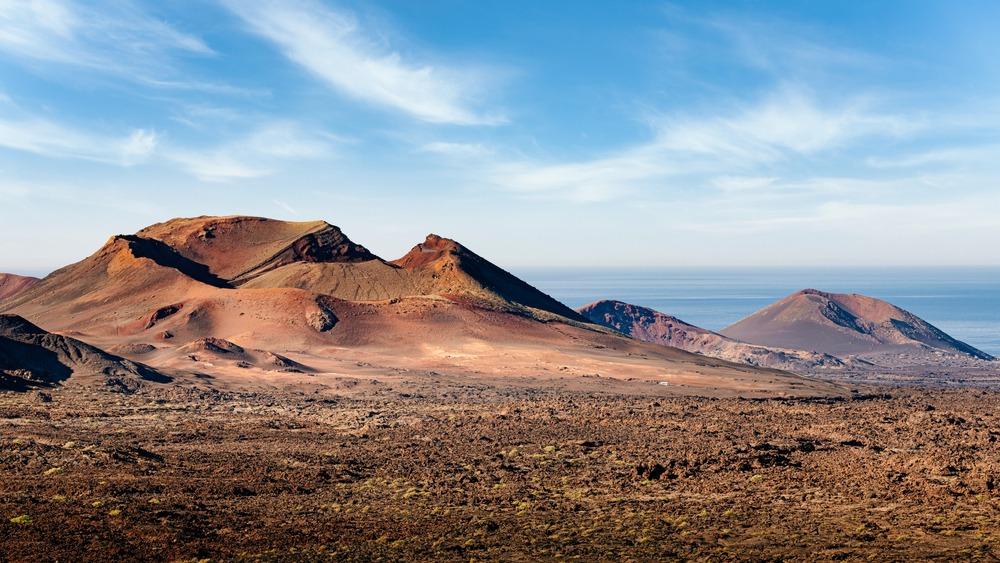
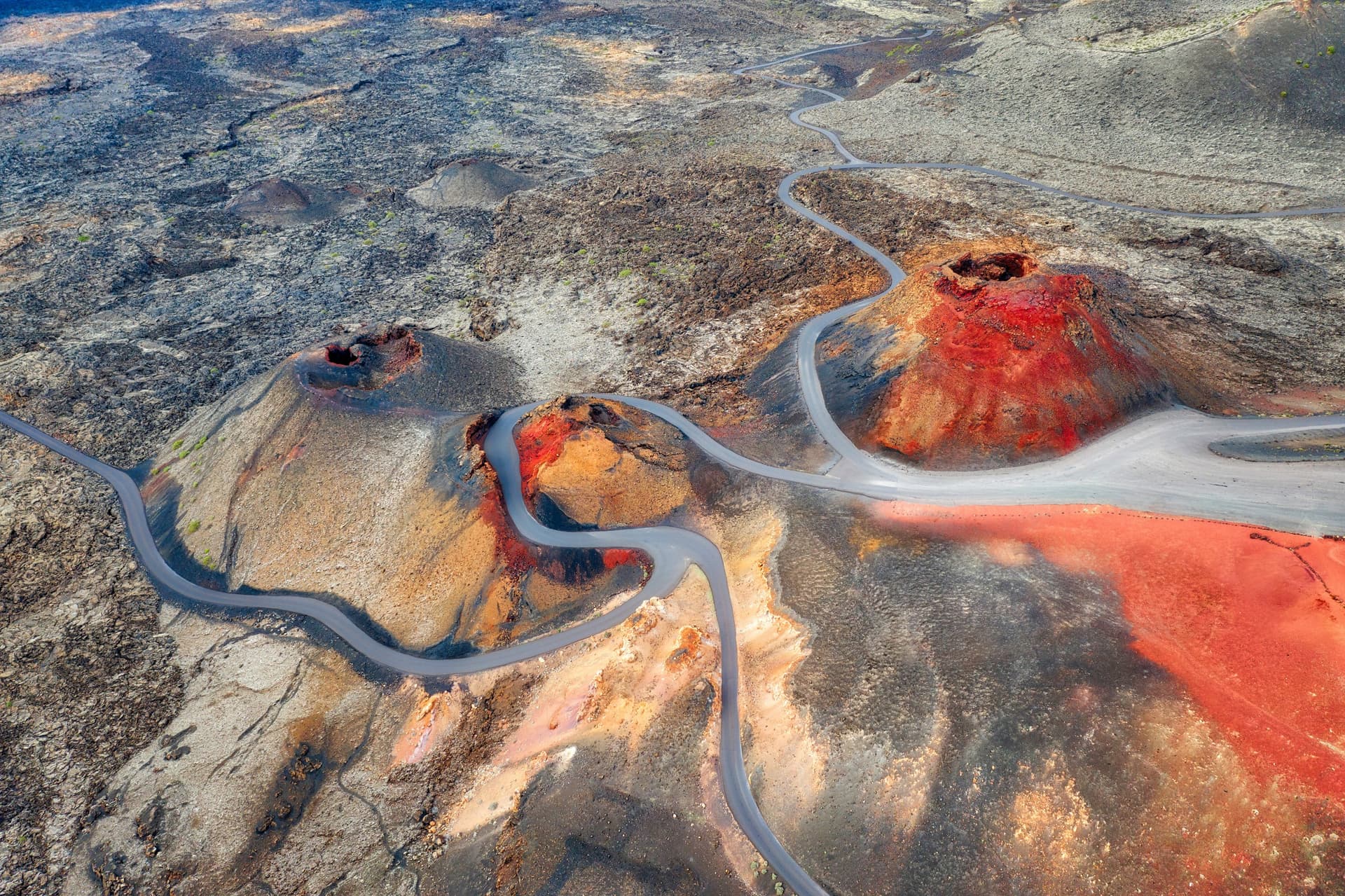
Regarded as one of the most stunning natural sites in the Canaries, Timanfaya National Park is the essential destination to visit when traveling to Lanzarote. The park was born from successive volcanic eruptions that occurred in 1720, 1736, and 1824. Here you'll discover lava flows spanning several kilometers, craters, and volcanic cones with virtually no vegetation. It all creates the impression of having landed on another planet.
Note: Free-range hiking is forbidden within Timanfaya National Park. To experience its extraordinary landscapes, you must board a tourist bus. And believe us, even if you're not a fan of guided tours, it's absolutely worth it! Alternatively, you can hike certain sections of the park accompanied by a ranger. Since spots are limited, it's best to book ahead.
2. Cueva de los Verdes
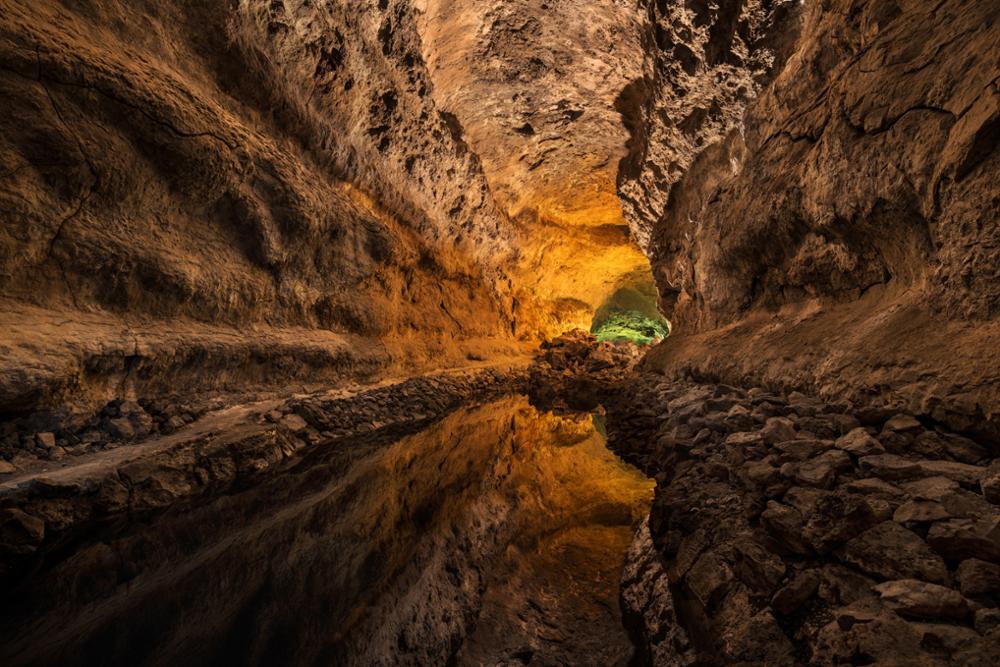
This is one of the natural curiosities you absolutely must see in Lanzarote. Cueva de los Verdes is a cave located inside a volcanic tunnel. It was formed following the eruption of the La Corona volcano approximately 3,000 years ago. Guided tours allow you to explore the impressive galleries where you can admire stalactites and other formations in ochre, yellow, green, black, and red hues.
3. Mirador del Río
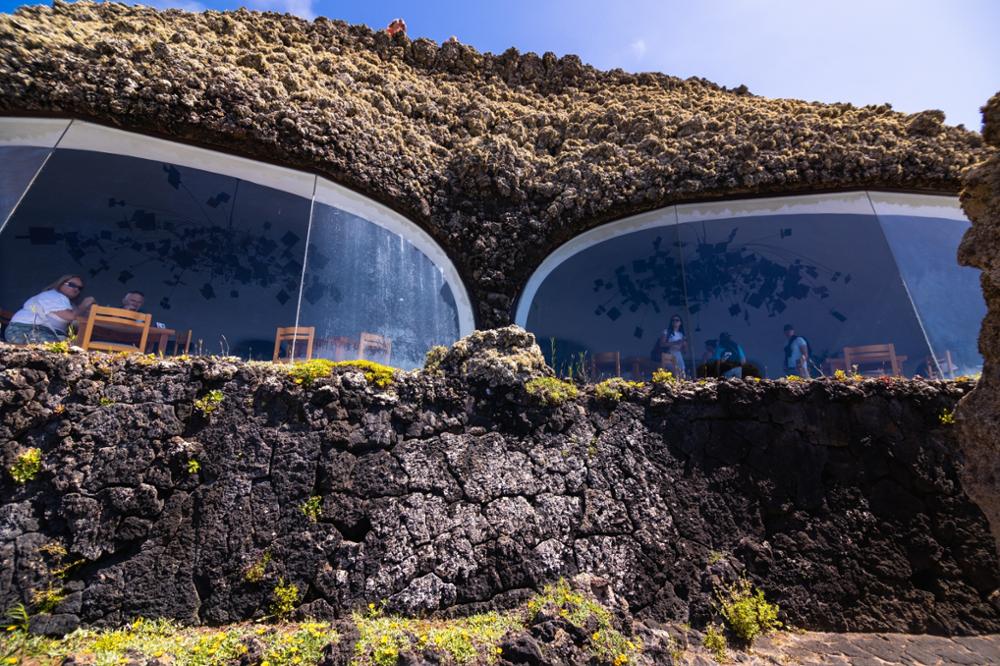
Mirador del Río is a scenic viewpoint at the northern tip of Lanzarote. Perched 475 meters high atop the Risco de Famara ridge, this promontory offers breathtaking views of the island of La Graciosa, the Chinijo Archipelago, and Corona volcano. Comprising a panoramic platform, a café, and a shop, Mirador del Río was envisioned by the celebrated César Manrique in 1973. Like most of this genius's works, the building was designed according to his signature: in perfect harmony with nature and the environment.
4. Papagayo Beaches
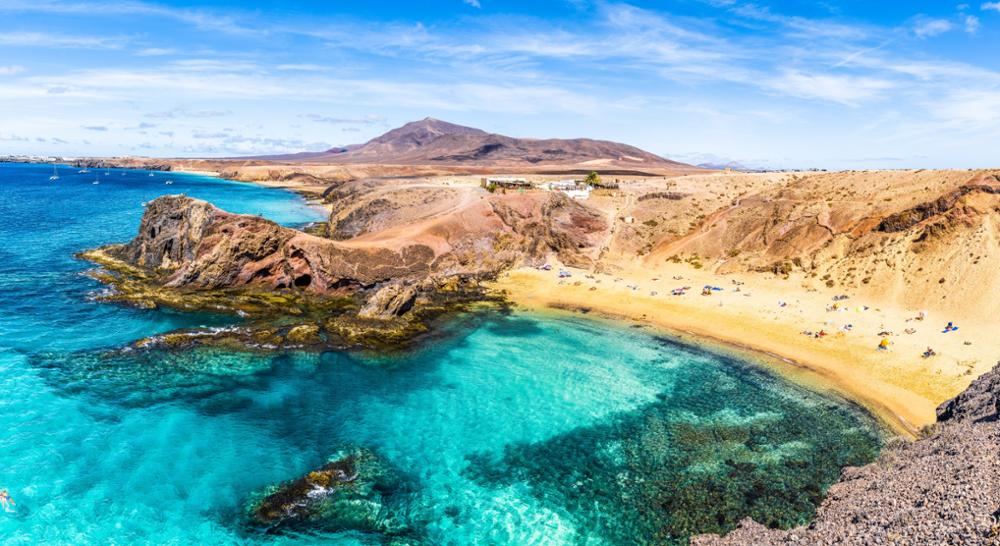
If you love beaches, head south to Lanzarote where you'll find some of the most beautiful beaches in the Canaries, as evidenced by the Papagayo beaches, every bit as lovely as those in Tenerife. Separated by lava rocks and cliffs, the Papagayo beaches form magnificent coves with turquoise waters and white sand. For hiking enthusiasts, we recommend starting from Playa Blanca where a trail of about 8 km (an easy walk forming a loop) lets you reach Papagayo while discovering the spectacular coastal viewpoints.
5. Laguna Verde
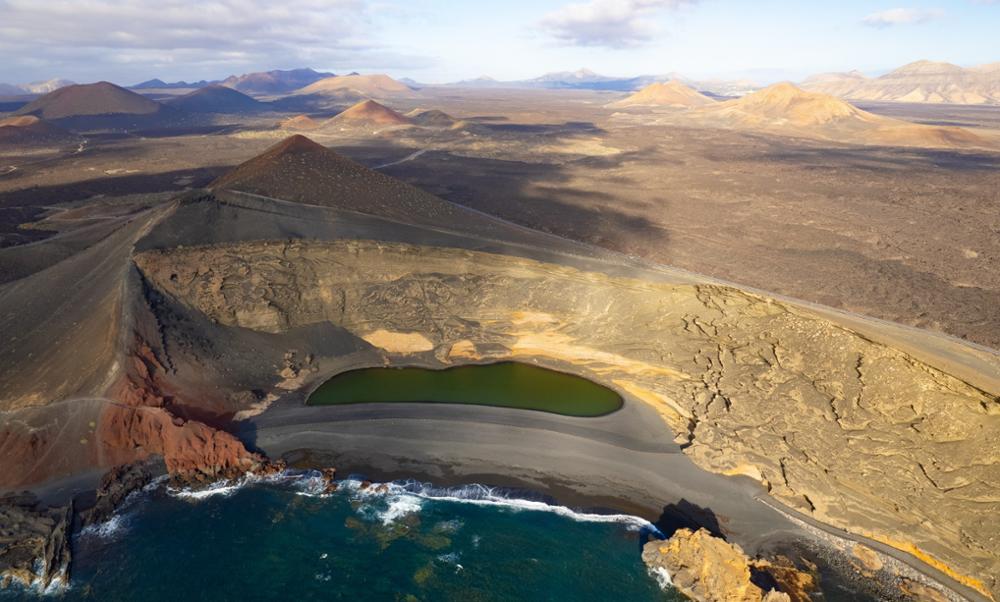
Here's another natural site worth the detour. Laguna Verde, also called "El Charco," "El Charco de los Clicos," and "El Lago de los Clicos," is a lake of about 150 meters characterized by an striking green color. This body of water owes its color to the presence of an algae (ruppia maritima), sulfur, and exceptionally high salinity (even higher than the Dead Sea!). Located within the crater formed by an ancient volcano, the contrasts between the green water and the black, red, and ochre rocks are utterly mesmerizing. To access it, head to the entrance of the small village of El Golfo where an easy-to-navigate trail awaits you.
6. Los Hervideros
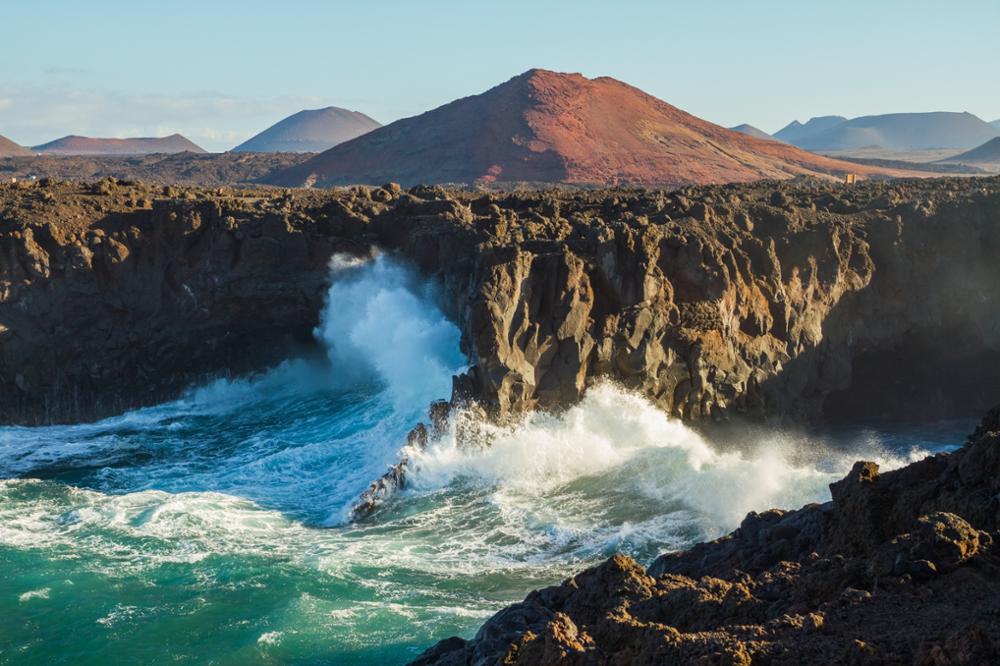
Near El Golfo, don't miss discovering the Los Hervideros site. Here you'll find an impressive lava flow dating from the 13th-century eruptions that plunges into the ocean. The sea charges wildly into the caves. Several walking trails located along the rocky coast as well as stairs leading to a balcony allow you to admire the spectacle. You can also enjoy a lovely view of Montaña Bermeja, Pico Redondo, and other volcanoes in the background.
7. The Wine Route and Geria Valley
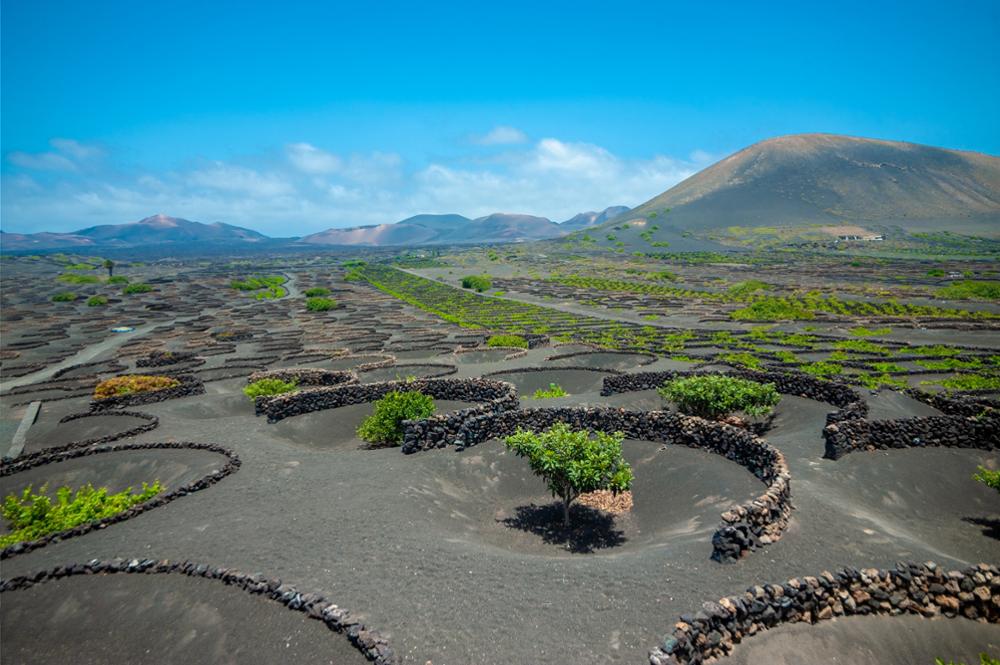
Did you know that even on volcanic and desert lands, it's possible to produce wine? This is what you can discover in the Geria Valley in the southwest of Lanzarote. Here, they practice dry farming: vines are planted in holes and surrounded by small stone walls in semi-circular shapes to protect them from the wind.
To reach it, you can take the stunning Wine Route (which connects Yaiza and Teguise). The landscapes alone are worth the journey, but we'd recommend stopping to enjoy a tasting. To learn more about this farming technique and enjoy some tastings, you can also visit the El Grifo wine museum.
8. César Manrique Foundation
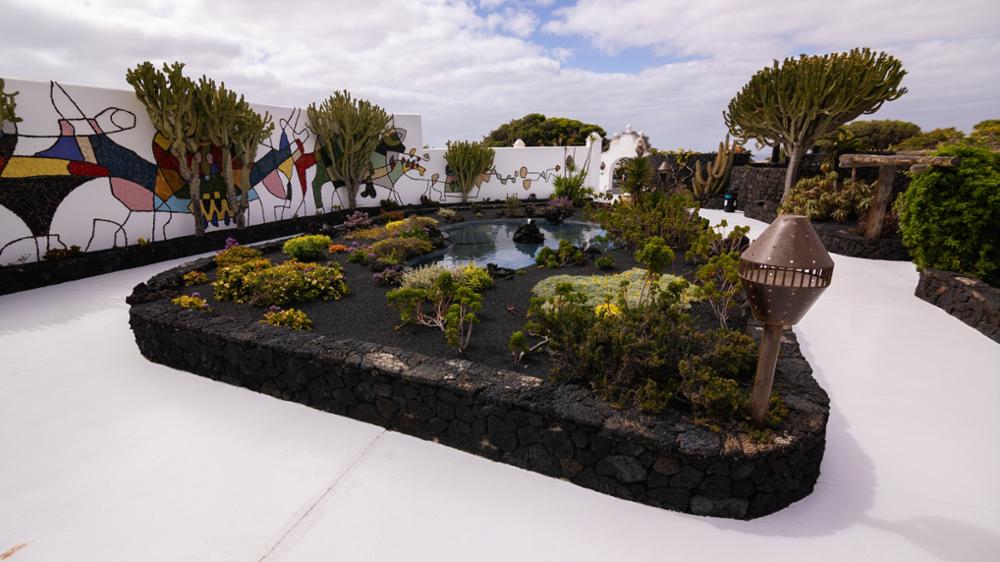
It's impossible to talk about Lanzarote without mentioning César Manrique. This committed artist greatly contributed to his native island's prominence and protection. He even helped Lanzarote achieve UNESCO Biosphere Reserve status. To discover some of his work, don't overlook the César Manrique Foundation, which was his home for nearly 20 years.
Spanning 1,800 square meters, the building is a true architectural gem. The house is built on a lava flow and includes several natural volcanic bubbles that you discover while walking through corridors carved into the lava. Beyond its unique architecture, you'll find numerous works of art. Today, the foundation aims to promote and showcase the island's artistic, cultural, and environmental activities.
Frequently asked questions
Lanzarote enjoys a mild climate year-round thanks to its geographic location in the Canaries. March to May and September to November offer the best conditions: pleasant temperatures (68-77°F) and fewer tourists than in summer. Summer can be hot and more crowded, while winter remains mild (64-68°F) and ideal for those seeking tranquility.
Booking in advance is strongly recommended, especially for guided ranger-led hikes, which have limited availability. Access to the park's interior is exclusively by tourist bus (free-range hiking is prohibited). During peak season, advance reservations can save you considerable time.
Car rental is the most convenient way to explore Lanzarote at your own pace. Sites like Timanfaya, Laguna Verde, Los Hervideros, and Papagayo beaches are spread across the island and poorly served by public transport. Organized bus excursions also allow you to visit multiple sites in a single day.
Lanzarote stands out for its spectacular volcanic landscapes, unique within the Canaries. Designated a UNESCO Biosphere Reserve, the island has preserved its natural environment thanks to the commitment of artist César Manrique. It combines lunar landscapes (Timanfaya), turquoise waters (Papagayo beaches), natural curiosities (Cueva de los Verdes, Laguna Verde), and distinctive wine culture (Geria Valley).
A 5 to 7-day stay is ideal for visiting all 8 must-see sites of Lanzarote without rushing. Budget half a day for Timanfaya Park, one to two hours for Cueva de los Verdes, and plan a full day to explore the southern coast between Laguna Verde, Los Hervideros, and Papagayo beaches.
Yes, admission to the César Manrique Foundation is charged. It's advisable to check current admission prices and hours on the foundation's official website before your visit. The location, built on a lava flow with adapted volcanic bubbles, is well worth the visit to discover the work and life of this emblematic Lanzarote artist.