Tenerife
The largest of the Canaries condenses a 3,715 m volcano, a humid Anaga forest and 600 m cliffs facing cetaceans into 2,034 km².
Tenerife is the most expansive of the seven islands in the archipelago, 2,034 km² organized around a central volcano, Teide, which rises to 3,715 meters. This vertical geography explains everything else: in a single day's drive, we pass from the black beaches of the south to the humid forests of the north, traversing a high-altitude plateau where temperatures drop 15°C compared to the coast. The island thus concentrates landscapes that other archipelagos spread across several destinations.
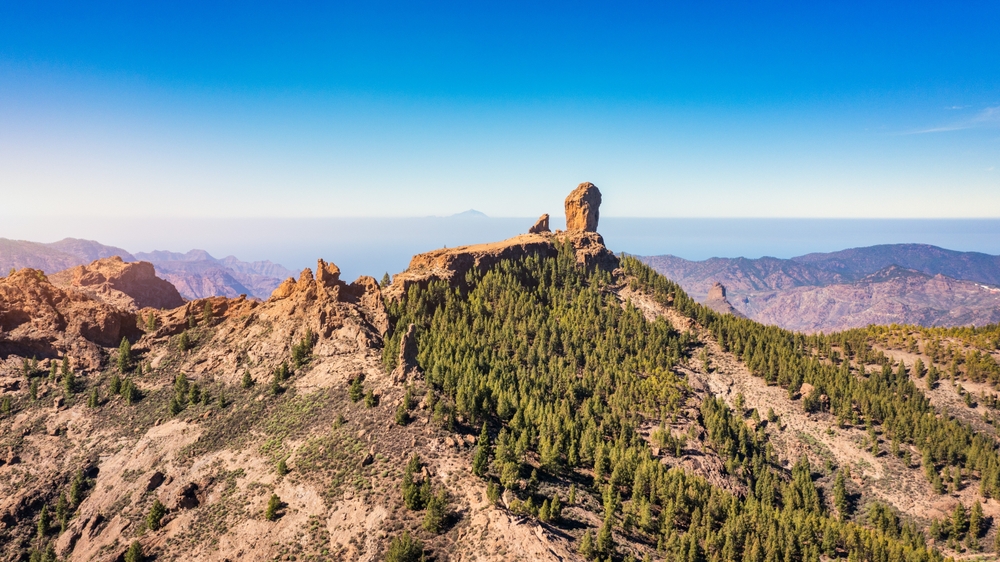
The Teide National Park, a UNESCO World Heritage site since 2007, occupies the center. It is a caldera 17 km in diameter, formed by the collapse of an ancient volcano, where frozen lava flows extend, rocky needles (the Roques de García) and high-altitude vegetation composed of retamas and red tajinastes that bloom in May and June. The cable car rises to 3,555 meters, but access to the summit requires a free permit that must be requested several weeks in advance from the park authorities.
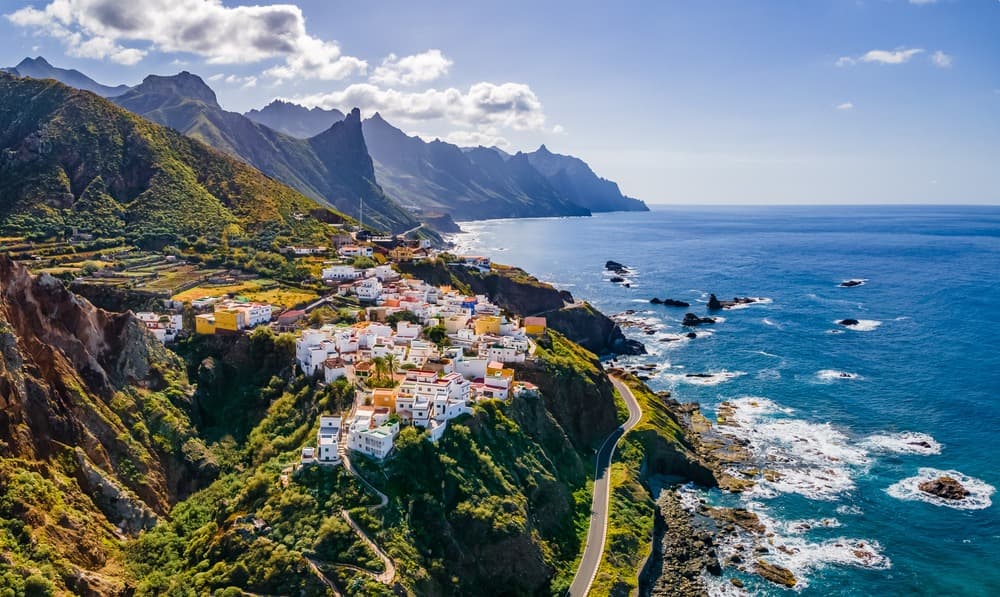
To the north, the Anaga massif forms the northeastern tip of the island. Its eroded ridges, covered in laurel forest (a relict forest of laurels from the Tertiary era), catch the trade winds and remain humid year-round. We send travelers to hike between the hamlets of Chamorga, Taborno and Afur, before descending to lunch in Taganana, a fishing village where grilled fish of the day is served facing the Atlantic. The contrast with the arid south is striking: in Los Cristianos or Costa Adeje, rainfall is less than 150 mm per year, compared to 800 mm in Anaga.
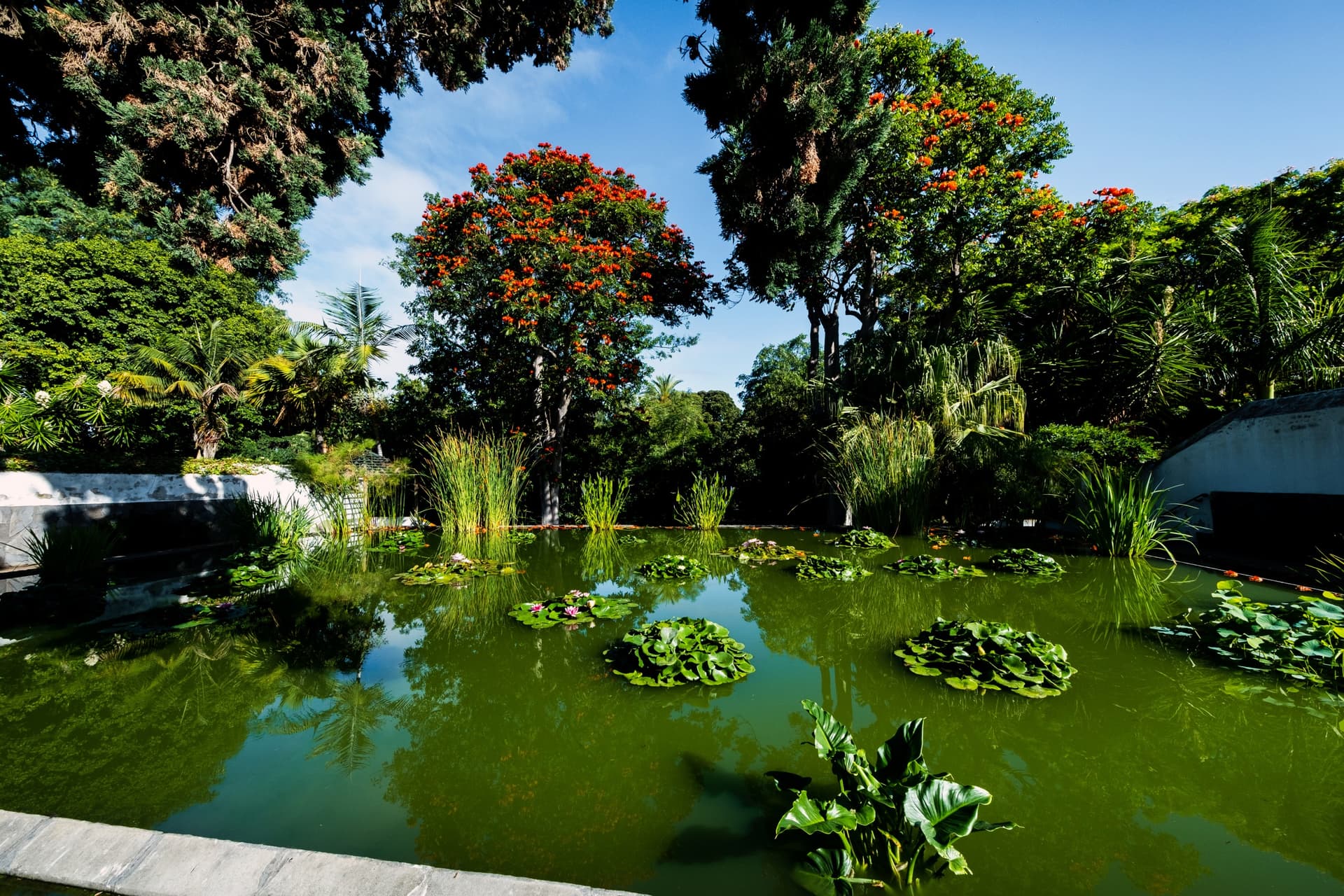
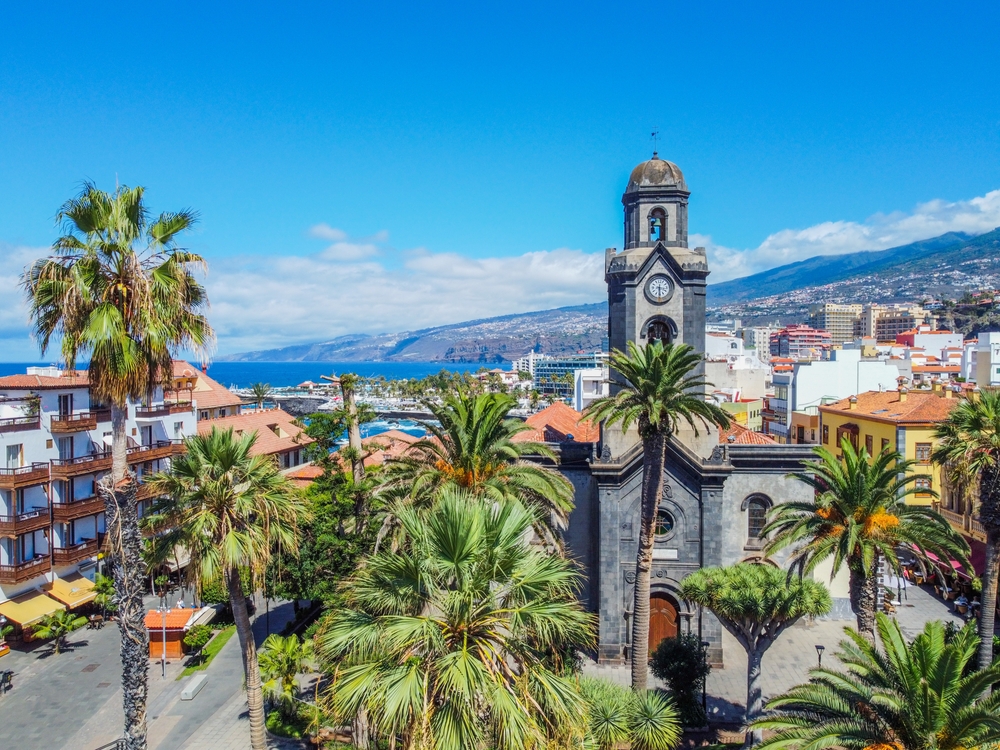
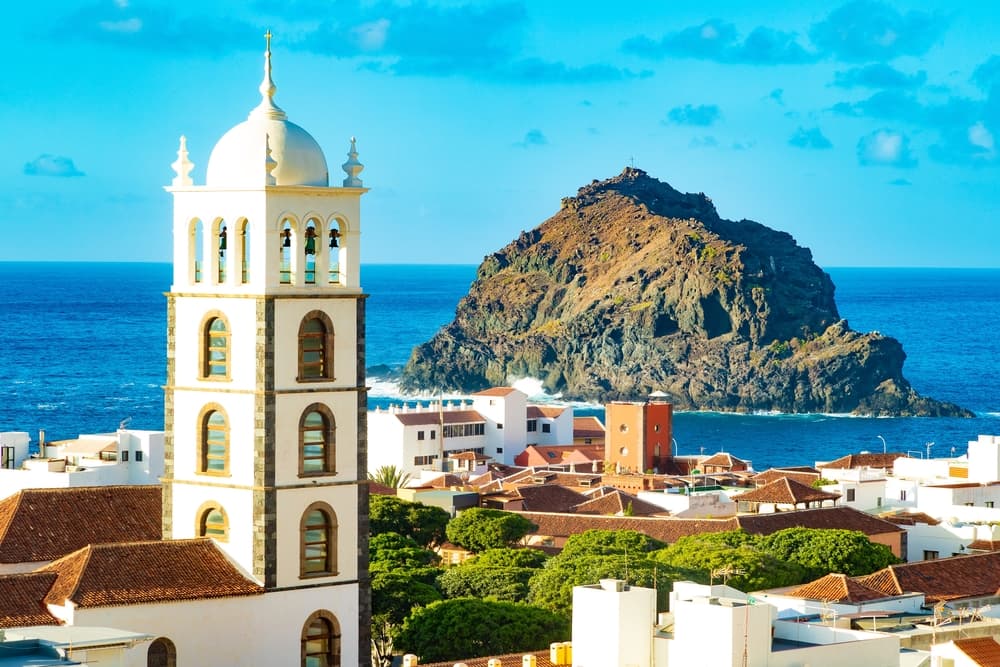
The western coast, around Los Gigantes, offers 600-meter basalt cliffs that plunge vertically into the ocean. Here is where populations of tropical pilot whales and bottlenose dolphins congregate, observable year-round on boat trips departing from Puerto de Santiago. Further north, the La Orotava valley stages its vineyard cultivation (Listán Negro variety), bananas and avocados on stone-terrace terraces, down to Puerto de la Cruz, the island's oldest tourist destination, founded in the 18th century.
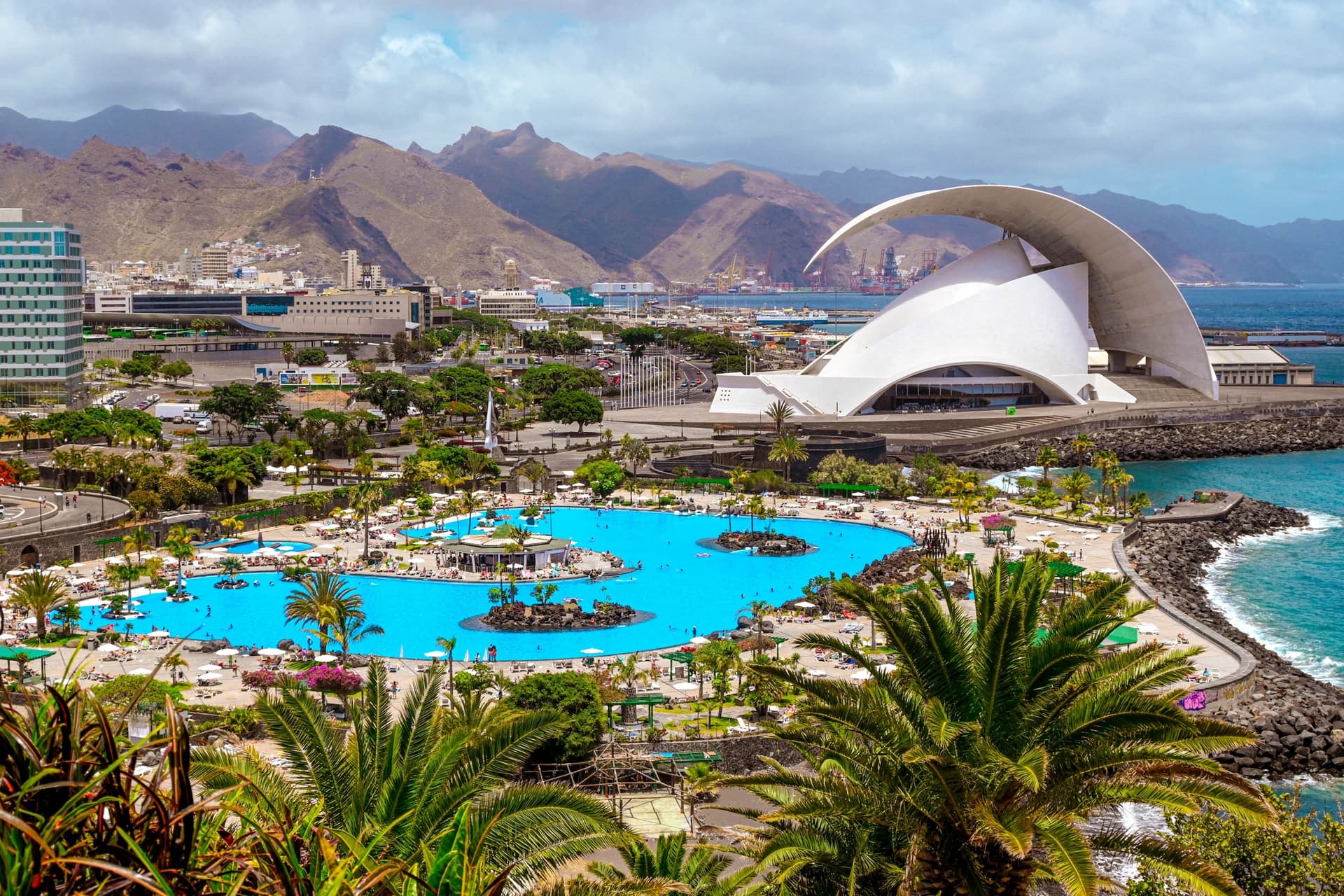
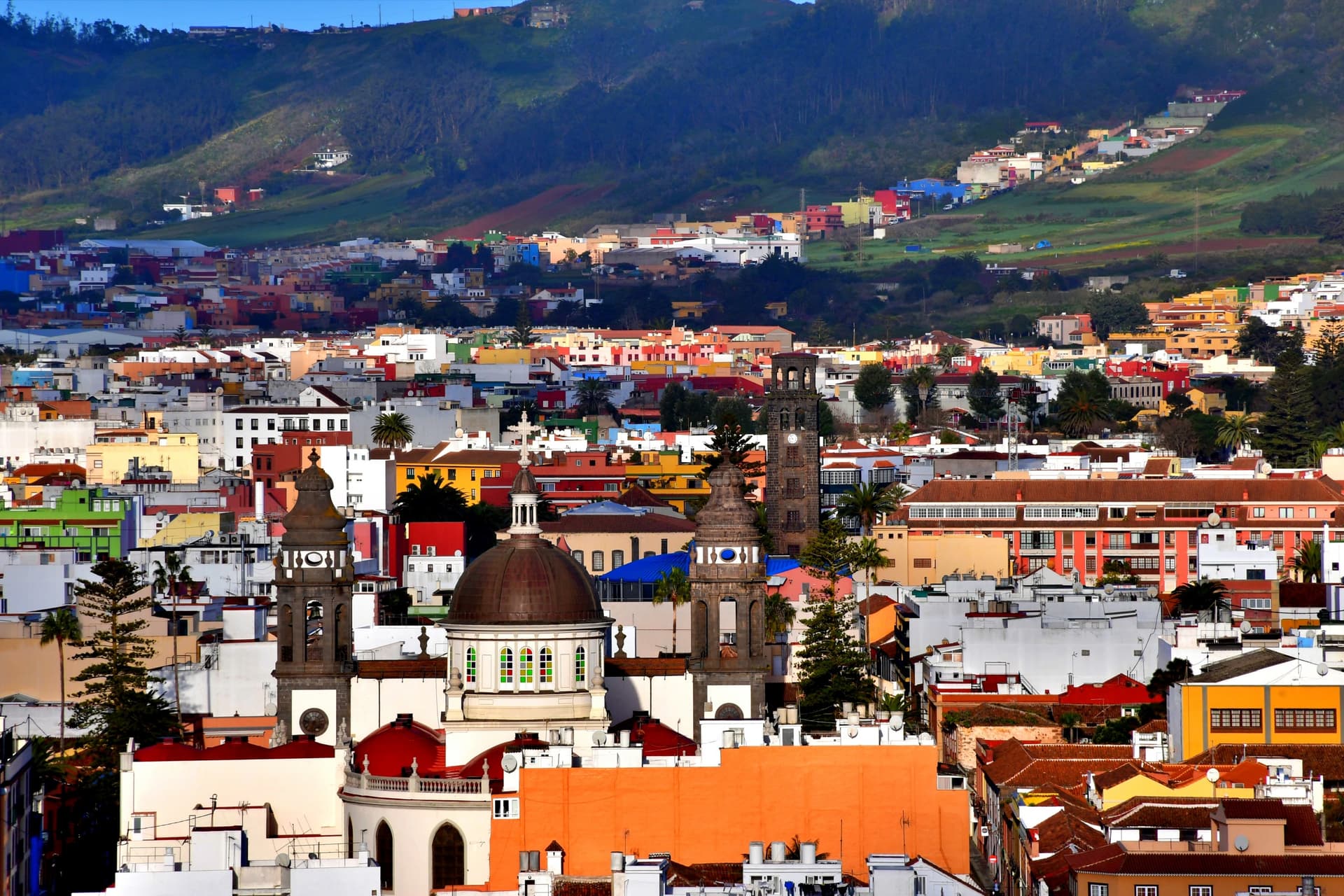
Culturally, La Laguna, the former capital (also UNESCO-listed), preserves a historic center with colorful colonial facades, inherited from the urban model that would later be exported to Latin American colonial cities. The Santa Cruz carnival in February is the world's second largest by attendance after Rio's. Cuisine revolves around papas arrugadas (potatoes cooked in seawater) served with red and green mojo, gofio (roasted cereal flour) and rock fish like vieja or cherne.
Tenerife is also the most populated island (nearly one million inhabitants) and the best equipped logistically: two international airports, well-maintained roads, a ferry network serving La Gomera, La Palma and El Hierro from Los Cristianos. It is our recommended base for anyone wanting to combine several islands over two to three weeks.
Must-see
Sunrise ascent of Teide. Nighttime climb from the Altavista refuge (3,270 m) to reach the crater before 7 am. The raking light casts the volcano's triangular shadow onto the sea of clouds, with La Gomera visible to the west.
Anaga ridge trail. Five hours of hiking between Cruz del Carmen and Chamorga, beneath the laurel forest canopy. Permanent mist, tree ferns, isolated hamlets where the bus passes twice a day.
Wineries of the La Orotava valley. Tastings of volcanic wines from Listán Blanco and Negro varieties, cultivated in cordon trenzado, a braided pruning technique unique to the island. Estates like Suertes del Marqués or Tajinaste receive by appointment.
Cetaceans off Los Gigantes. Three-hour sailing trip at the foot of the cliffs. Resident tropical pilot whales are visible 9 days out of 10, sometimes accompanied by sperm whales between January and March.
Colonial La Laguna on foot. Three hours through the 15th-century urban grid, between the cathedral, the Santa Catalina convent and the patios of noble houses still inhabited by old Canarian families.
When to visit
Tenerife can be visited year-round thanks to the regularity of the trade winds, but with marked nuances depending on the slopes. From May to October, the south and west display 24 to 28°C during the day and nearly zero rainfall, ideal for coastal hiking and cetacean watching. At the same time, the north (Anaga, Orotava, Puerto de la Cruz) remains cooler, around 22°C, often covered by the sea of clouds that forms between 600 and 1,500 meters. At altitude, on Teide, nights drop to 5°C in summer and below freezing from December to March, with possible snow that can close access to the cable car.
The months of November to February bring the most marked rainfall to the north (up to 150 mm in December in La Laguna) but generally preserve the south, where it still reaches 21 to 23°C. We avoid the last week of February and the first week of March, carnival season, when Santa Cruz and Puerto de la Cruz are saturated. The blooming of red tajinastes on Teide in May and June remains for us one of the finest windows of the year.
Practical advice
Allow four to five days to traverse the island's main landscapes unhurried, seven to ten days if you want to include multiple long hikes in Anaga and around Teide. Arrival is either at Tenerife South (Reina Sofía), the better-served airport from Europe, or Tenerife North (Los Rodeos), closer to Santa Cruz and La Laguna. For a single base, we recommend the La Orotava valley or Puerto de la Cruz: Teide is reached in 50 minutes, Anaga in 1 hour 15 minutes, Los Gigantes in 1 hour 30 minutes.
Tenerife naturally combines with La Gomera, accessible in 50 minutes by ferry from Los Cristianos, for an additional week of hiking in the Garajonay forest. For travelers seeking strong landscape contrast, pairing with Lanzarote (45-minute domestic flight) opens onto the arid volcanic landscapes of Timanfaya. Hotel comfort is high everywhere, from historic paradores to restored rural cottages in agricultural valleys. The island suits families equally (developed black sand beaches, short trails) as seasoned hikers drawn by Teide and Anaga's elevation gains, or contemplatives attracted to the still-vibrant northern villages outside the season.