34 articles to prepare your trip
In the centre-west of Fuerteventura, Betancuria Rural Park brings together the island's former Norman capital, volcanic barrancos and trails winding through spurge and palm trees.
At the heart of Fuerteventura, the Rural Park of Betancuria brings together rugged volcanic landscapes, palms dotting canyon floors and the former capital of the island, founded in 1404 by Jean de Béthencourt.
Gateway to the Los Tilos biosphere reserve, this interpretation centre in northeastern La Palma offers insight into laurisilva before exploring its trails and cascades.
An isolated fishing hamlet on the west coast of La Palma, Poris de Candelaria is reached via a steep hiking trail or by sea. Black pebble beach, volcanic cliffs, and a waterside chapel await discovery.
In the center of Los Llanos de Aridane, the Ermita de Nuestra Señora de Los Remedios houses the town's patron saint. Whitewashed façade, volcanic bell tower, and an atmosphere of genuine devotion.
Adjacent to the El Salvador church, the Sacred Art Museum of Santa Cruz de La Palma brings together Flemish paintings, liturgical silverware, and embroidered ornaments resulting from exchanges between the island and the New World.
In the heart of Betancuria, Fuerteventura's former capital, this museum traces the life of the Majos through ceramics, tools, and funerary objects. A concise and enlightening stop on the island's prehistoric history.
A brick-red volcanic cone classified as a nature reserve, Montaña Roja dominates La Tejita beach in southern Tenerife. Accessible climb, protected dunes and remarkable coastal panorama.
Chinyero is the last volcano to erupt on Tenerife (1909). Its circular trail crosses a field of black lava and pine forests, with clear views of Teide.
Las Grietas
Las Grietas is a volcanic fissure carved into the basalt rock of Lanzarote, offering a mineral landscape with black and ochre tones, away from the beaches and freely accessible.
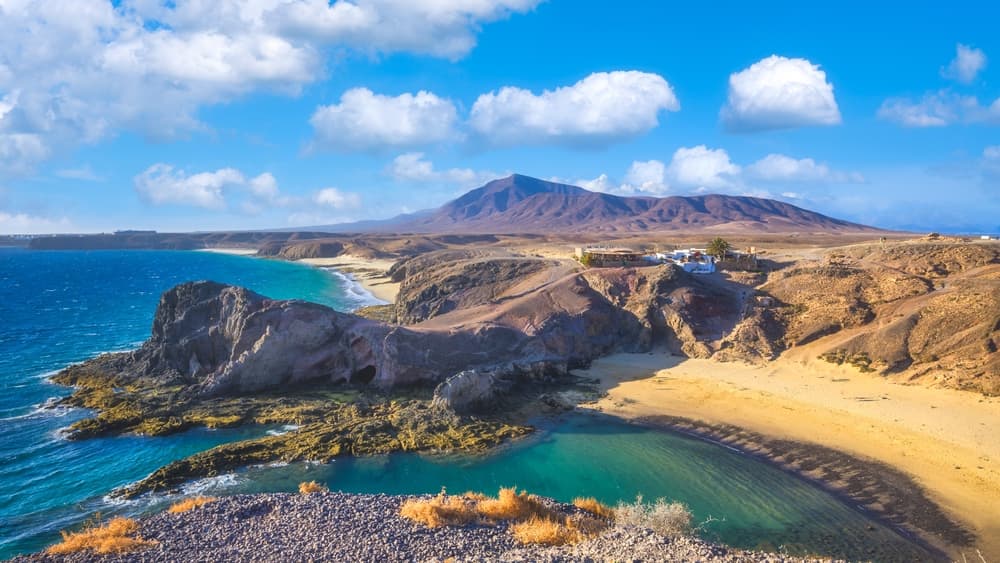
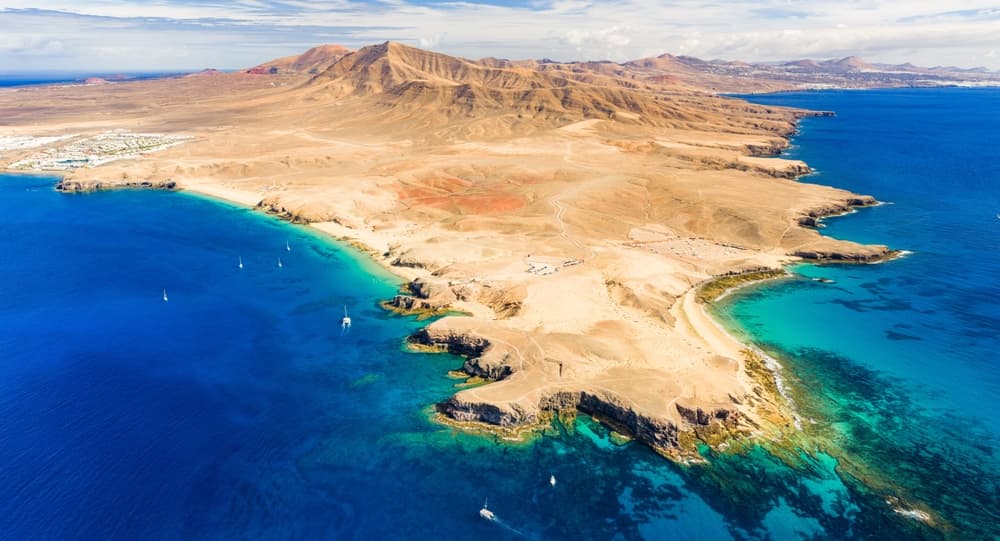
A collection of wild coves at the southern tip of Lanzarote, Playa del Papagayo captivates with its turquoise waters, ochre volcanic cliffs and absence of beachfront development, nestled within the Los Ajaches natural reserve.
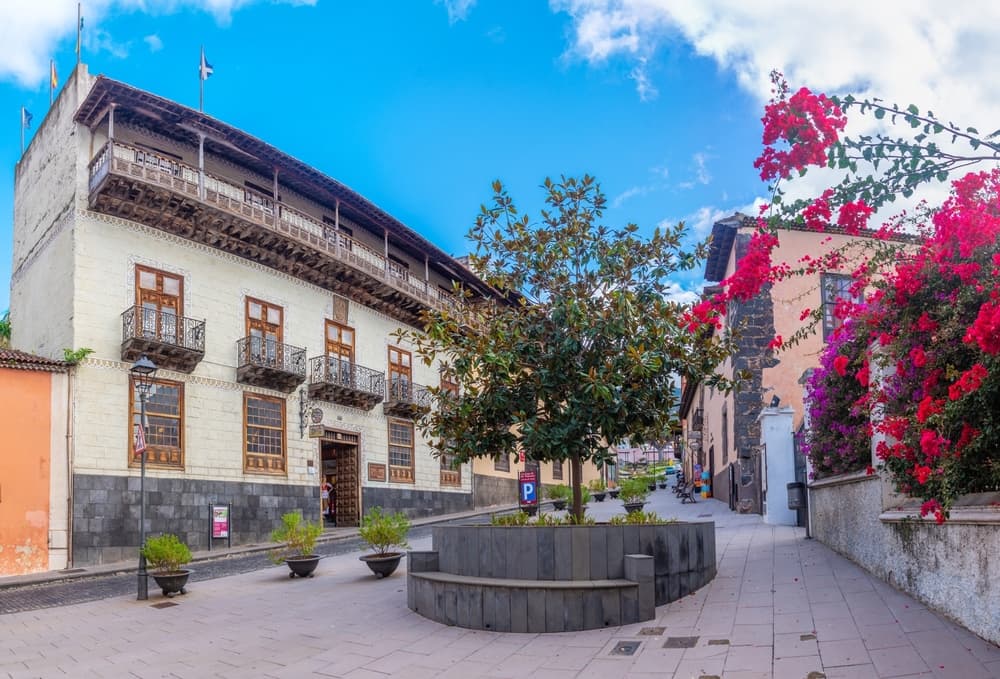
A 17th-century manor house, Casa de los Balcones is the symbol of Canarian colonial architecture. Its galleries of sculpted timber and lace workshop make it an unmissable stop in La Orotava.
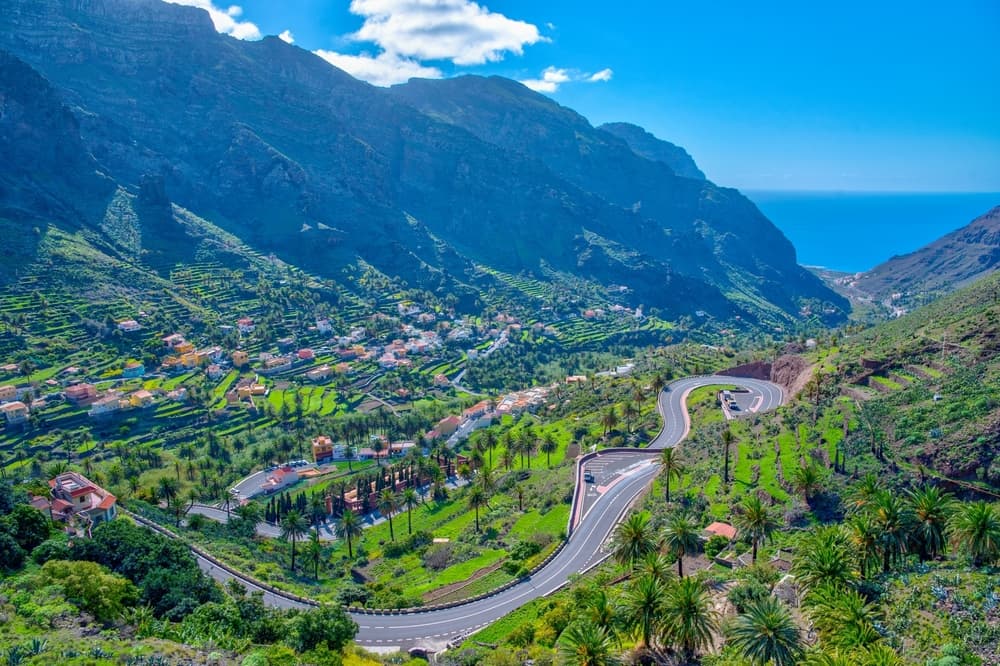
Valle Gran Rey cascades down to the Atlantic between ochre cliffs and tiered palmeraies. Dark sand beaches, a fishing port, whale-watching excursions and access to Garajonay National Park: La Gomera's wildest valley.
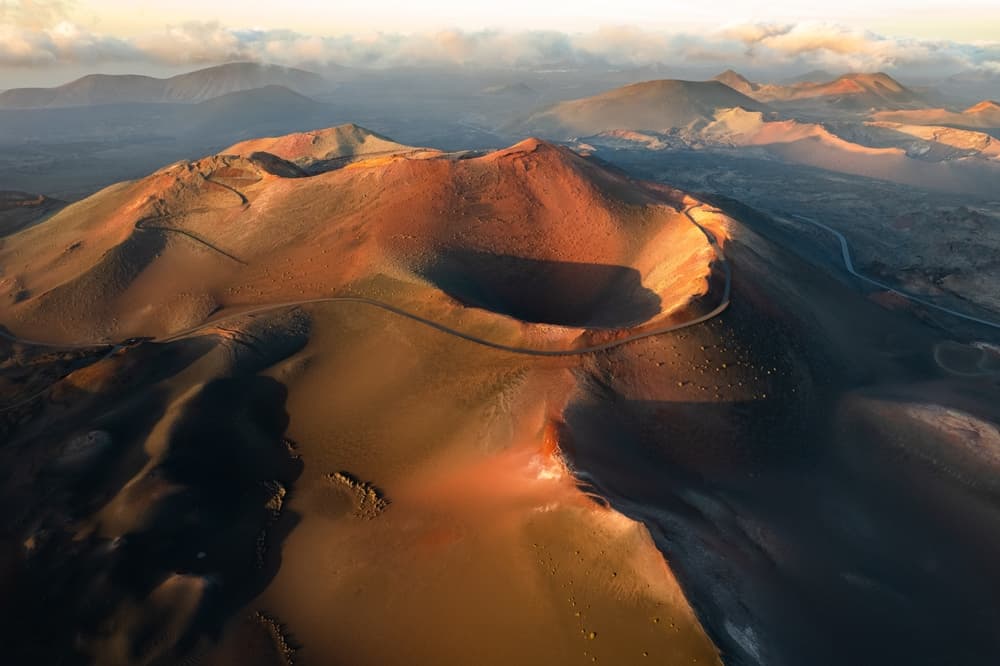
Born from the eruptions of 1730–1736, Timanfaya is Lanzarote's most spectacular national park: glowing cones, palpable underground heat and an entirely preserved lunar landscape.
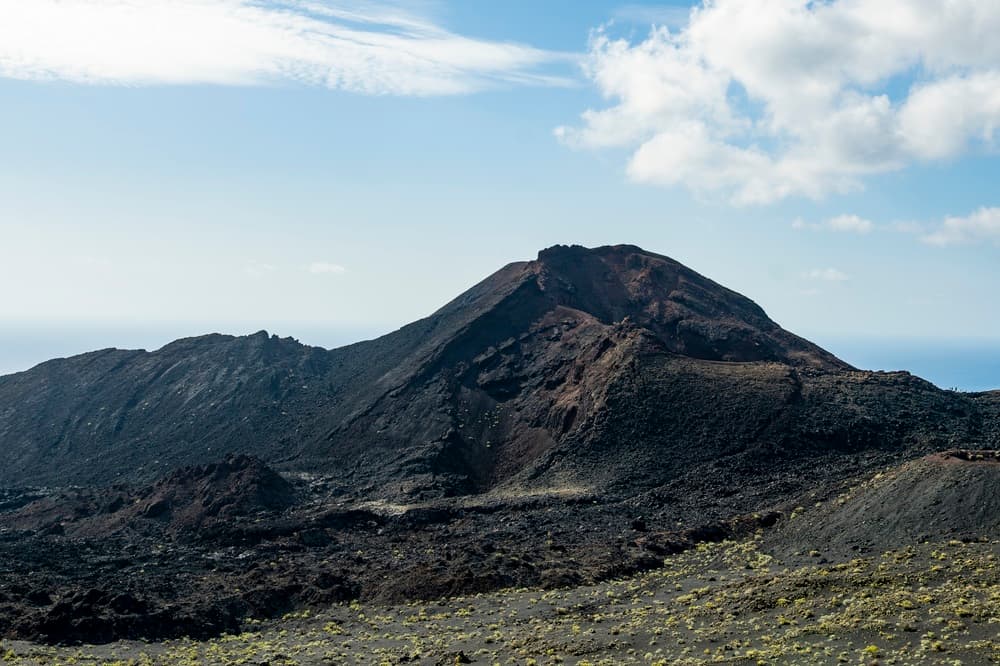
Teneguía, which erupted in 1971, is La Palma's most recent historic volcano. Hike across black lava, vineyards on ash, and enjoy Atlantic views at the island's southern tip.
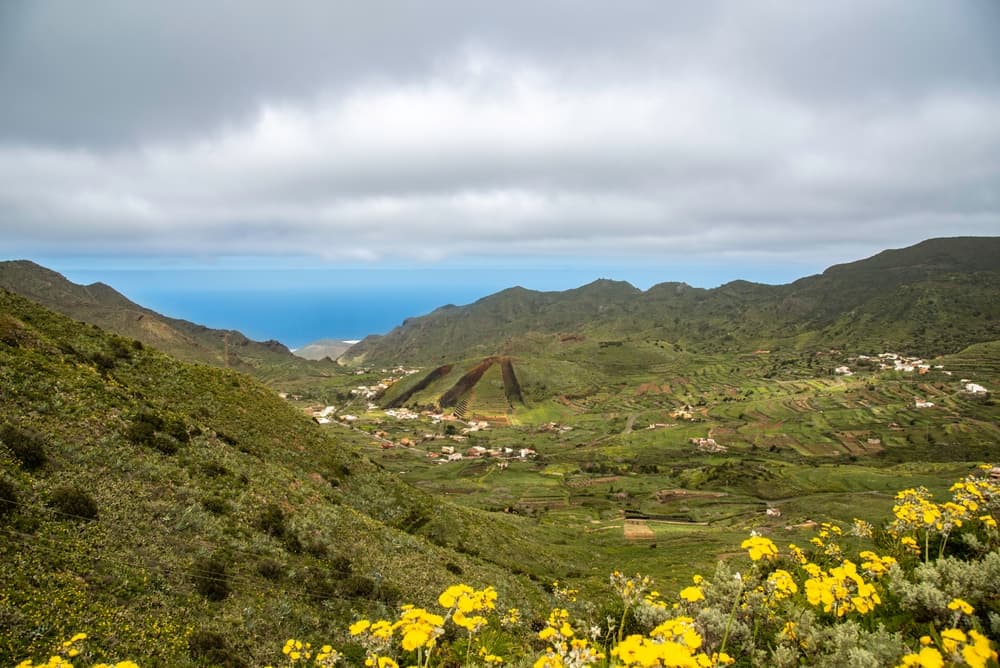
Tenerife's oldest volcanic massif, Teno Rural Park brings together Atlantic cliffs, laurel forest and the hilltop village of Masca in a preserved landscape on the island's north-west coast.
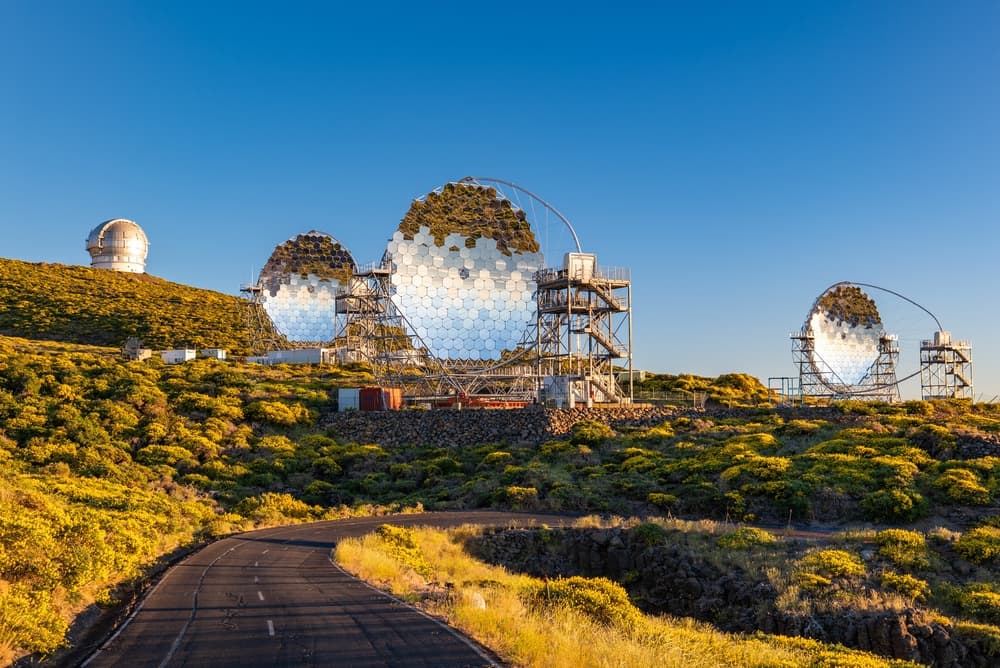
At 2,426 meters, Roque de los Muchachos offers sweeping views across all of La Palma and is home to one of the world's most prestigious astronomical observatories, beneath skies protected by law.
In southern Lanzarote, Playas de Papagayo comprises several unspoilt coves nestled between ochre cliffs and turquoise waters, at the heart of Los Ajaches natural park.
18 of 34 results
We use cookies to improve your experience and measure our site's audience. You can choose what you accept. Learn more.