Puerto de la Cruz Botanical Garden
Puerto de la Cruz Botanical Garden
Founded in 1788 by decree of Carlos III, the Jardín de Aclimatación de La Orotava brings together more than 4,000 plant species 2 km from Puerto de la Cruz's city center.
The Jardín de Aclimatación de La Orotava (JAO), better known as the Puerto de la Cruz botanical garden, is one of the oldest botanical gardens in the Canaries. Created in the late 18th century by royal decree, it now houses over 4,000 plant species across just over 20,000 m², 2 km from Puerto de la Cruz's city center, in the north of Tenerife.
Why visit the Puerto de la Cruz botanical garden
- A historic site founded in 1788 by decree of King Carlos III, designed as an acclimatization center for tropical plants before their transfer to mainland Spain.
- A dense botanical collection: more than 4,000 species from Asia, Africa and Latin America, including century-old trees.
- A short yet rich visit, easily accessible on foot from Puerto de la Cruz, and compatible with a half-day exploring northern Tenerife.
- A shaded and peaceful setting, ideal for a break between more active stops like the Teide National Park or the Anaga Massif.
History of the Jardín de Aclimatación de La Orotava
The garden was created in the late 18th century by a royal decree of King Carlos III. Its original purpose was both scientific and practical: Tenerife's mild and stable climate provided ideal conditions for acclimatizing exotic plants brought from Asia and the Americas before transferring them to the Iberian peninsula, where they would not have survived directly.
This acclimatization logic explains its official name, Jardín de Aclimatación de La Orotava (JAO), and the geographic diversity of its collections. Over the centuries, the site became a scientific institution in its own right, with botanical research programs and international exchanges of wild plant species.
What to see in the garden
The Coussapoa Dealbata, star attraction
The park's most recognizable tree is the Coussapoa Dealbata, native to South America. It belongs to the Cecropiaceae family, which comprises about fifty species. Its aerial roots and intertwined trunks form a dense and photogenic structure, characteristic of strangler trees found in humid tropical forests.
Giant water lilies Victoria Regia
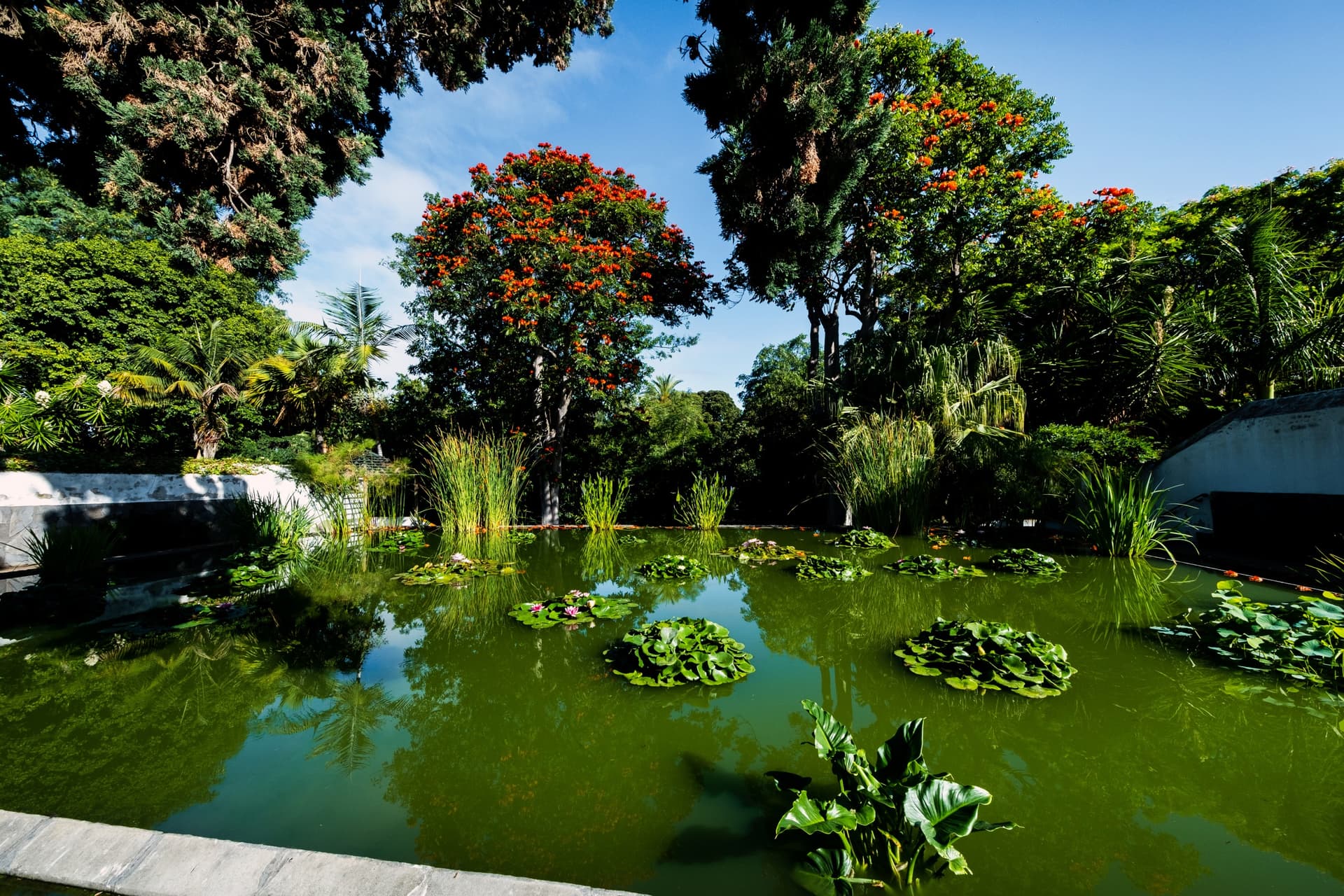
One of the ponds hosts giant water lilies Victoria Regia, also called Amazon water lilies. Their large circular floating leaves with upturned edges are among the garden's most iconic images.
Tropical and subtropical diversity
The rest of the collection features palms, bromeliads, aroids, aloes, mulberry and fig trees, as well as endemic Canary Islands species. The path alternates between shaded areas beneath the canopy and more open sections dedicated to succulent plants.
Herbarium and library
The garden also houses an herbarium and a scientific library, accessible by appointment, Monday to Friday, mornings (9am–1pm slot). This space is primarily intended for botanists, researchers and students.
Practical information
- Area: over 20,000 m².
- Duration of visit: allow 2 to 3 hours to explore at a leisurely pace.
- Admission: affordable entry fee; check current prices before visiting.
- Hours: open during daytime, morning through late afternoon. Confirm current hours on the official website before your visit.
- At the entrance: a park map is provided to help you locate remarkable species.
How to get there
The main entrance is on Calle Retama, about 2 km from Puerto de la Cruz's city center.
- By car: from the northern highway TF-5, take exit 32 towards TF-31, then follow TF-312 to the garden.
- By bus: lines 101, 102, 103, 104, 343, 345, 348 and 352 serve the area.
- On foot: from Puerto de la Cruz's city center, expect about 30 minutes of walking with a slight uphill grade.
What to see nearby
The garden combines well with other sites in northern Tenerife and nearby islands:
- Teide National Park: Spain's highest volcano and its mineral landscapes, about an hour's drive away.
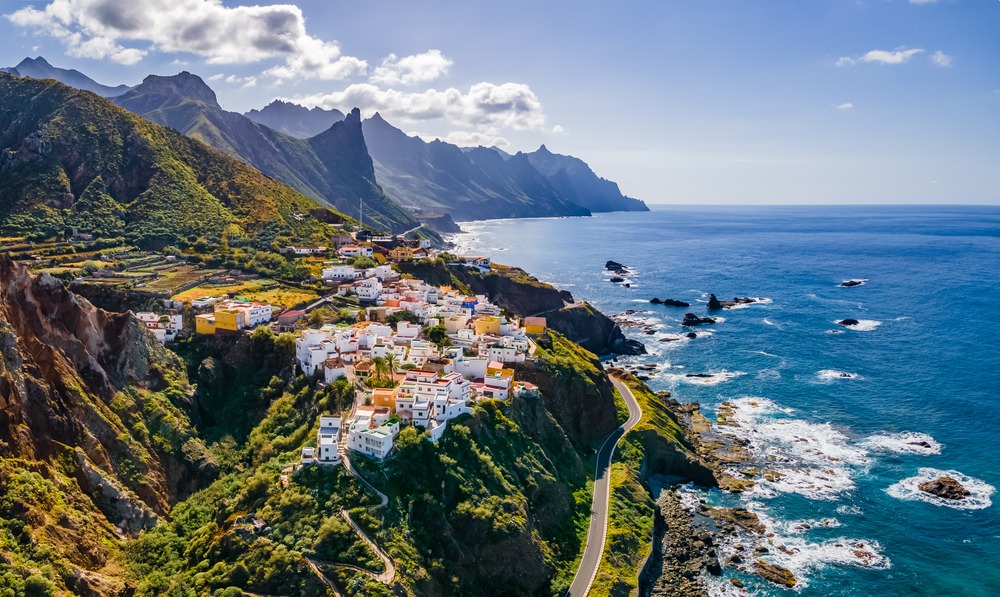
- Anaga Massif: laurel forest and sharp ridges in northeastern Tenerife.
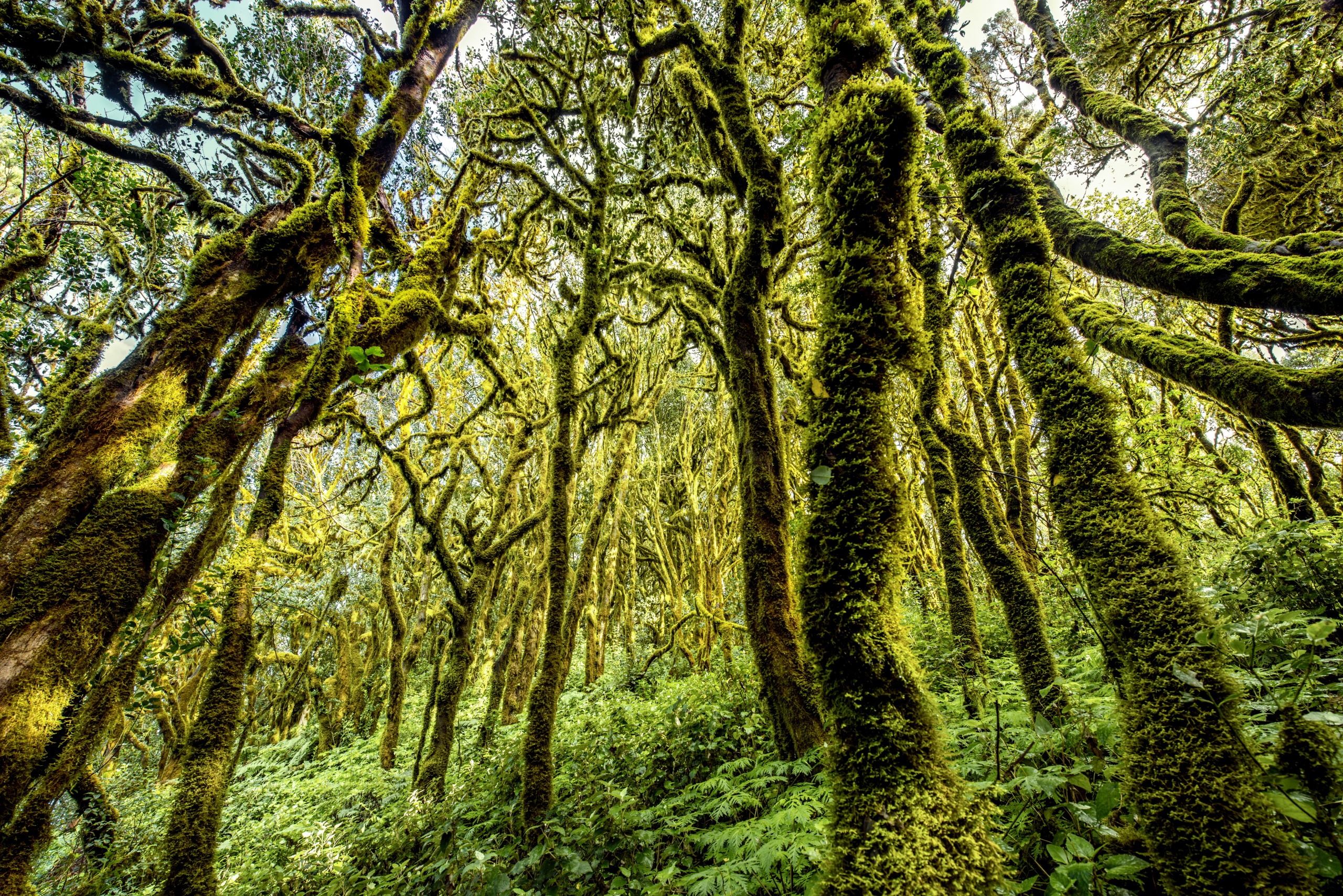
- Garajonay National Park: on neighboring La Gomera island, one of Europe's last remaining laurel forests.
Frequently asked questions
Frequently asked questions
Allow 2 to 3 hours to explore the entire garden at a relaxed pace and enjoy the main sections, including the Victoria Regia water lily pond and the Coussapoa Dealbata.
Yes. The path is flat, the walkways are navigable with children, and the variety of plants (giant water lilies, aerial roots, palms) naturally captures their attention.
Yes, but by appointment only, Monday to Friday mornings (9am–1pm slot). This access is primarily intended for researchers, students and botany enthusiasts.
Puerto de la Cruz's climate is mild year-round, making a visit possible in any season. Spring and early autumn offer the most visible flowering.
From Puerto de la Cruz's city center, about 30 minutes on foot is all you need. Several bus lines (101, 102, 103, 104, 343, 345, 348, 352) also serve the area.
Plan your trip
The Puerto de la Cruz botanical garden fits easily into a larger itinerary across Tenerife and the archipelago. To build a custom-made journey, explore our trips to the Canaries.
Interested in this visit?
We can include it in your personalised itinerary.