La Gomera
La Gomera
UNESCO-listed Laurisilva forest, ancient whistled language, Christopher Columbus' stopover: La Gomera is the secret island of the Canaries, to be explored on foot.
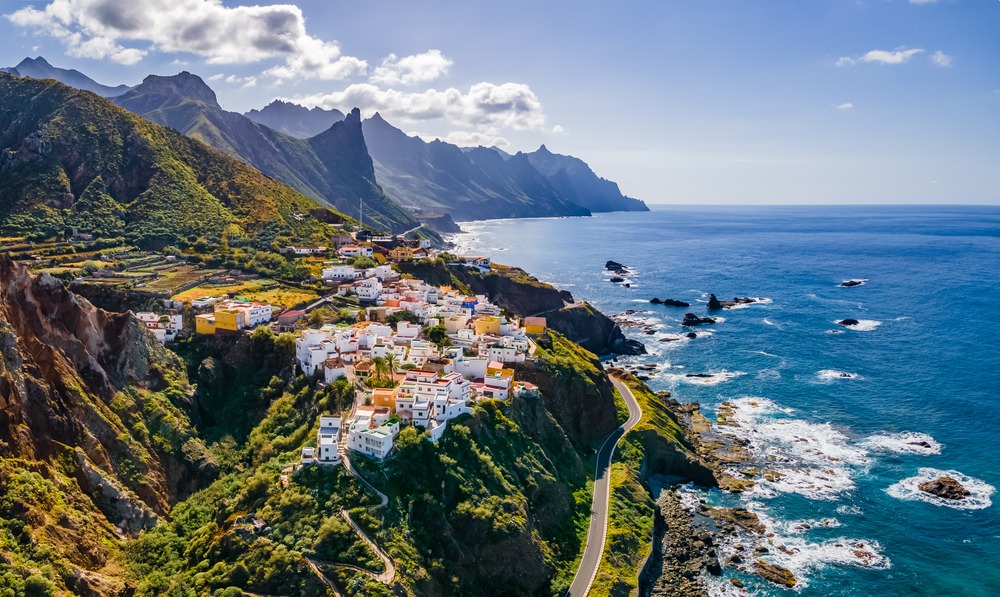
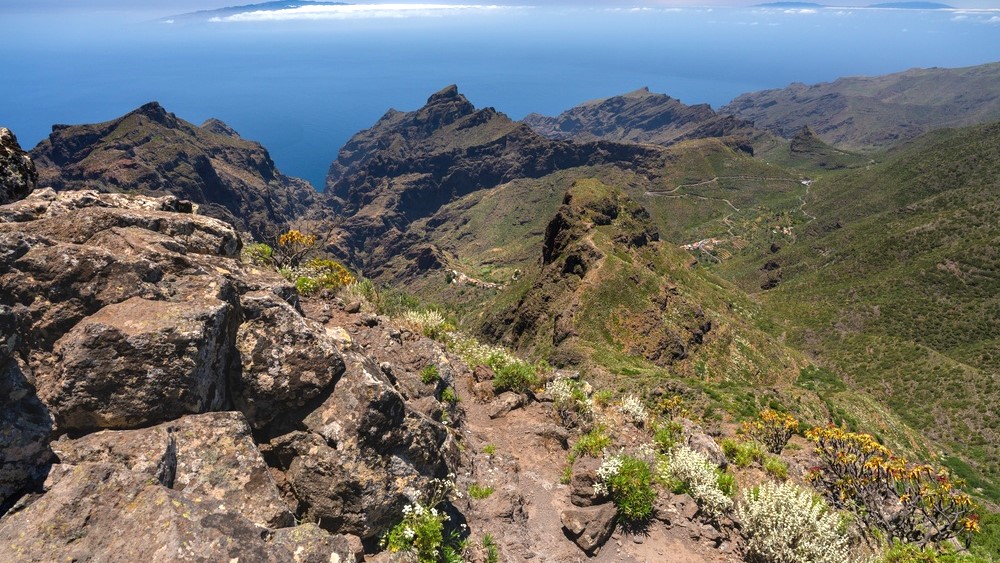
Nestled between Tenerife and El Hierro, La Gomera is one of the islands that make up the Canaries. At first glance, this small island seems arid and desert-like, but think again! Behind this massive rocky pyramid lies a lush laurel forest that has thrived for millions of years, alongside unusual traditions and a colorful historic center filled with historical buildings. A magnificent island still little visited by travelers, promising you a unique and peaceful stay.
La Gomera's History in Brief
La Gomera is one of the seven Canary Islands. Its capital is San Sebastián de la Gomera. With an area of 369.76 square kilometers, La Gomera is considered one of the smallest islands after El Hierro. It sits in the western part of the archipelago, within the province of Santa Cruz de Tenerife. Sparsely populated, the circular-shaped islet is home to barely 20,000 inhabitants. Nicknamed the green island of the Canaries, La Gomera was designated a "Biosphere Reserve" by UNESCO in 2012.
Discovering Gomera: The Canaries' Green Island
Hiking Through Garajonay National Park
At the heart of La Gomera lies a precious natural treasure, beautifully preserved within the Garajonay National Park. It has been inscribed on the UNESCO World Heritage list since 1986. This vast reserve covers 10% of the island's surface area and preserves rare traces of the Laurisilva forest (laurel forest), moss, ferns, lichen, giant heathers, and other endemic species. This subtropical jungle is indeed a paradise for birdwatchers.
Garajonay Park also provides the perfect setting for travelers keen on hiking, regardless of difficulty level. The more adventurous can attempt the climb to Alto de Garajonay, the highest point on La Gomera. Standing at 1,487 meters, it offers panoramic views across the entire island and neighboring islands (Tenerife, La Palma, El Hierro). Rest assured, all trails are well-marked, sparing you any trouble along the way. Nature enthusiasts will undoubtedly fall under the spell of this natural gem of La Gomera, cloaked in mist.
Learning to Decipher the Gomeros' Whistled Language
Travelers passing through La Gomera have surely heard of the famous El Silbo tradition ("whistling" in Spanish). It is an ancient communication system that the Guanche people and locals of the Canary Islands used to send simple messages across distances. This Berber-origin whistled language proved invaluable for rapid communication across the island's rugged terrain. They didn't need to cross ravines or traverse valleys to communicate with one another. Indeed, the whistles could travel 8 to 10 kilometers. Should you have the chance to witness demonstrations or competitions, you'll see how impressive whistles of varying tones truly are. El Silbo has been inscribed on the UNESCO Intangible Cultural Heritage of Humanity list since 2009.
Exploring the Historic Center of San Sebastián de La Gomera
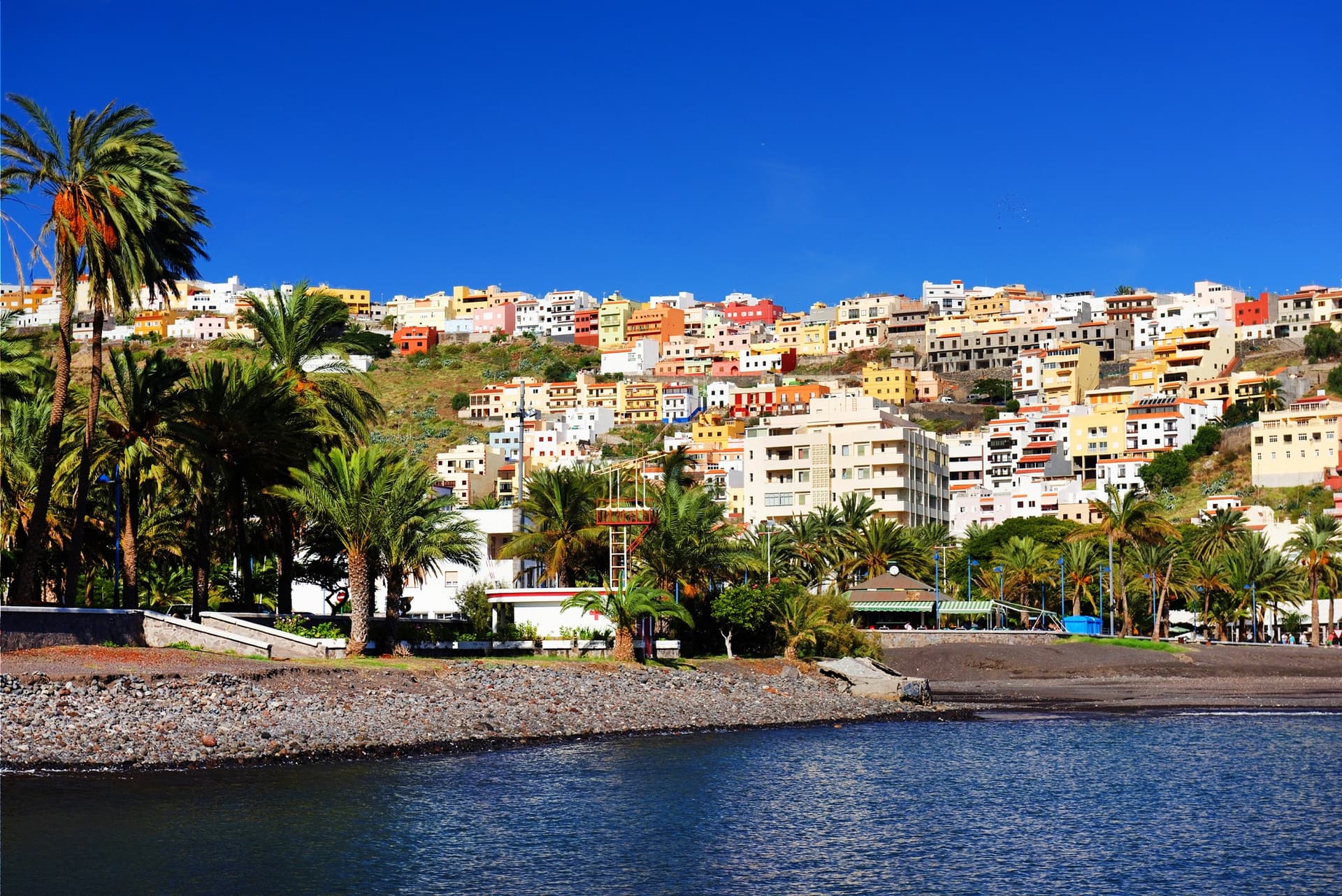
The island's capital, San Sebastián de La Gomera, is a peaceful town marked by a long history and emblematic monuments that trace Christopher Columbus' passage. So don't be surprised to see a statue of the famous explorer on the street. Begin your visit in the city center, where the Casa de Colón stands. This is where Christopher Columbus stayed during his stopover in 1492. The establishment is no longer the same; it now houses a pre-Columbian art museum. Next, head to Torre del Conde (Count's Tower), the sole Spanish fortress dating from the 15th century, and remarkably well-preserved. The Nuestra Señora de la Asunción church is equally impressive with its Gothic and Baroque architecture. Adorned with splendid 17th-century frescoes, the interior decoration is magnificent. If you have time remaining, you can add the Hermitage of San Sebastián or the Aguada well to your itinerary. After this little stroll, you can relax on one of the terraces in the historic center while enjoying some delicious local dishes.
Also Worth Seeing
Villages of Playa de Santiago, Agulo, Hermigua, Valle Gran Rey…
The small island of La Gomera is connected to the other Canary Islands via La Gomera Airport (GMZ) and the maritime port of San Sebastián de La Gomera. The airport offers regular flights throughout the year; however, flights from major European carriers are not permitted. Most flights and ferry lines connect La Gomera to Tenerife.
As for getting around within the island, it's most convenient to rent a car. You're unlikely to get lost; road signs are clear and precise. Those preferring public transportation should have no trouble identifying and finding the appropriate bus lines. If neither of these options suits you, you can always take taxis. However, this option is somewhat pricier.
When to Visit?
Along La Gomera's coasts, the climate is subtropical oceanic. Summers are hot and winters are very mild. Heavy rains are expected from October through March. The climate inland varies according to altitude and exposure level. The area exposed to northeastern trade winds receives more rainfall and displays lush, verdant landscapes. Conversely, on the southern slopes, rainfall is scarce. The contrast between the intense green in the north and the semi-arid landscape in the south is striking.
Attractions in La Gomera
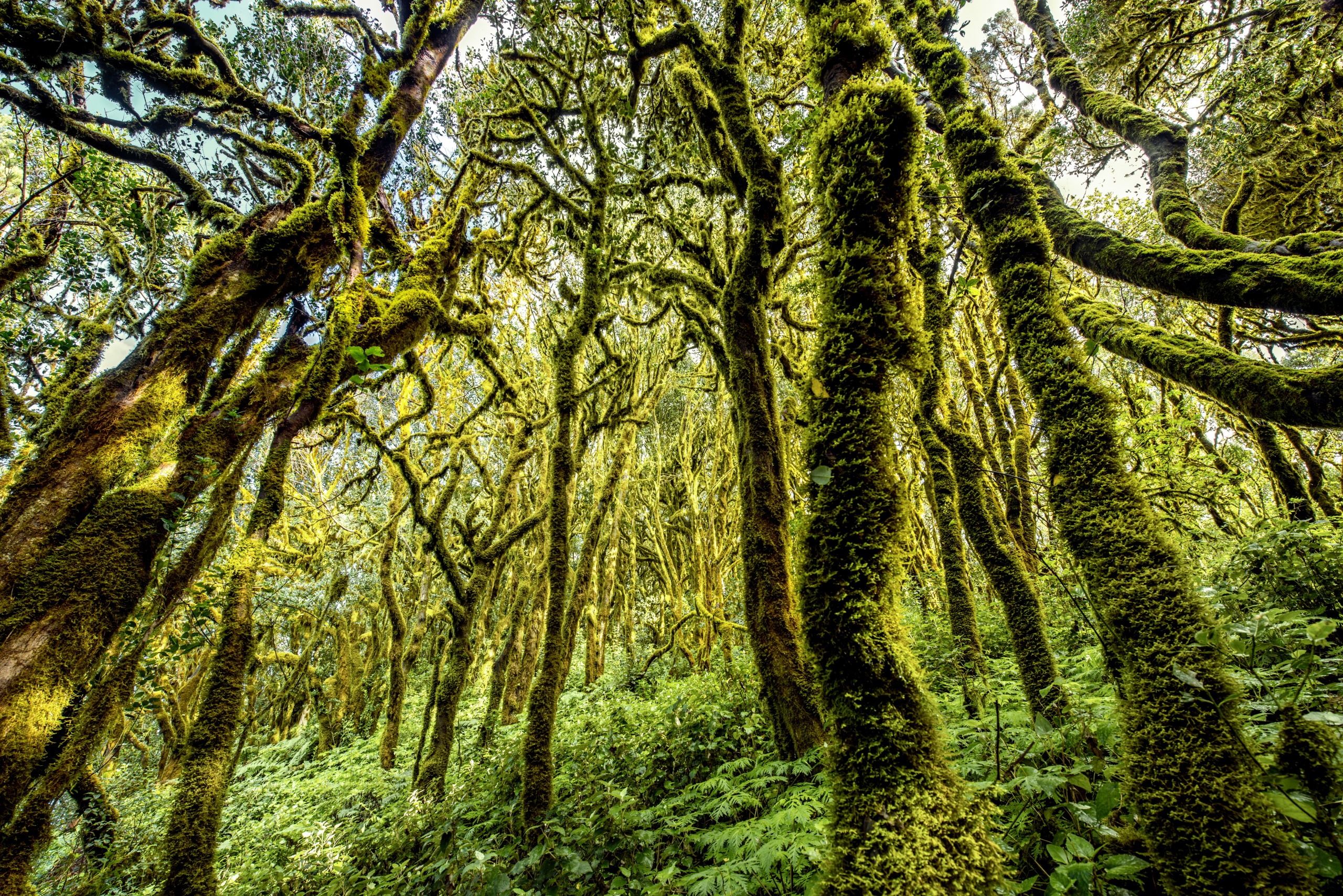
Parc National de Garajonay
Le parc national de Garajonay occupe la partie centrale et nord de La Gomera, sur près de 3 986 hectares, soit environ 10 % de l'île.
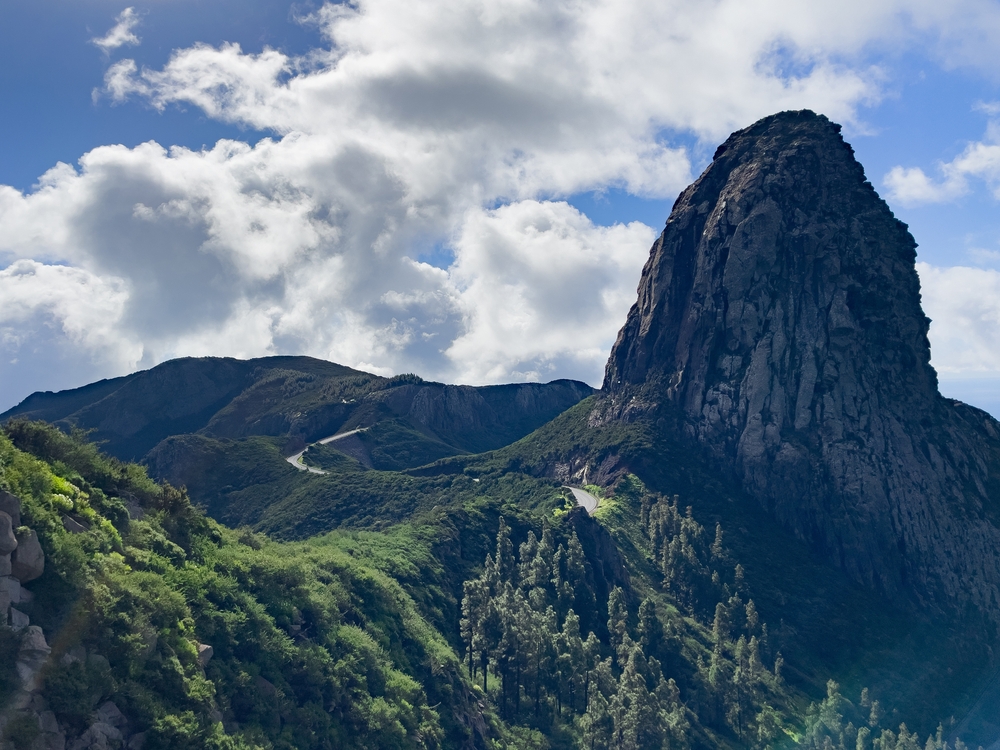
Alto de Garajonay
L'Alto de Garajonay culmine à 1 487 mètres, point le plus élevé de l'île de La Gomera. Ce sommet marque le cœur du parc national du même nom, classé au Patrimoine mondial de l'UNESCO.
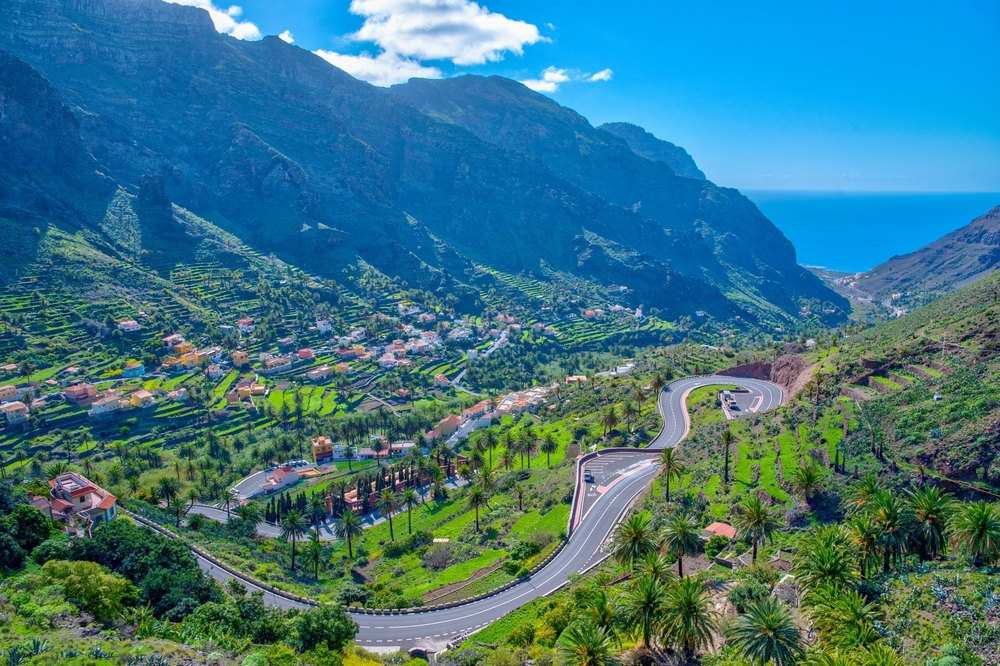
Valle Gran Rey
Valle Gran Rey est une vallée encaissée qui dévale jusqu'à l'océan Atlantique, à l'extrémité sud-ouest de La Gomera. Ses terrasses de palmiers, ses falaises volcaniques ocre et noire
Want to discover this destination?
Our local advisors design your tailor-made trip.