La Palma
La Palma
A giant caldera, Starlight-certified starry skies, the Tajogaite volcano and laurel forests: La Palma, the wildest island in the Canaries, demands respect and rewards discovery.
Untouched by mass tourism, La Palma in the Canaries is a small triangular island that deserves your attention. The island offers diverse points of interest including the unmissable Roque de los Muchachos, where travelers can contemplate the starlit sky, and the Parque Nacional de la Caldera de Taburiente, with its lush forests crisscrossed by ravines and volcanic landscapes. Don't miss the various historical monuments clustered in Santa Cruz.
The History of La Palma, the Triangle-Shaped Canary Island
La Palma, also known as La Isla Bonita (the beautiful island) or San Miguel de La Palma in Spanish, is part of the Canaries archipelago, Spain. It ranks fifth among the Canary Islands with an area of 708 square kilometers. The second-highest island after Tenerife, Isla Bonita peaks at approximately 2,400 meters with Roque de los Muchachos (Rock of the Boys). Located in the Atlantic Ocean at the northern extreme of the archipelago, it falls within the province of Santa Cruz.
Subdivided into 14 municipalities, La Palma is home to over 85,000 inhabitants. While Los Llanos de Aridane is the most populous city, the administrative seat is based in Santa Cruz, on the island's east side. La Palma holds the designations of "Biosphere Reserve" and "Starlight Destination."
Discovering the Diverse Landscapes of Isla Bonita
Hiking and Walking Trails
Nearly pristine, La Palma is a premier destination for travelers seeking total immersion in nature. Among the island's numerous protected natural spaces, the Parque Nacional de la Caldera de Taburiente, located in the center, is undoubtedly the most impressive.
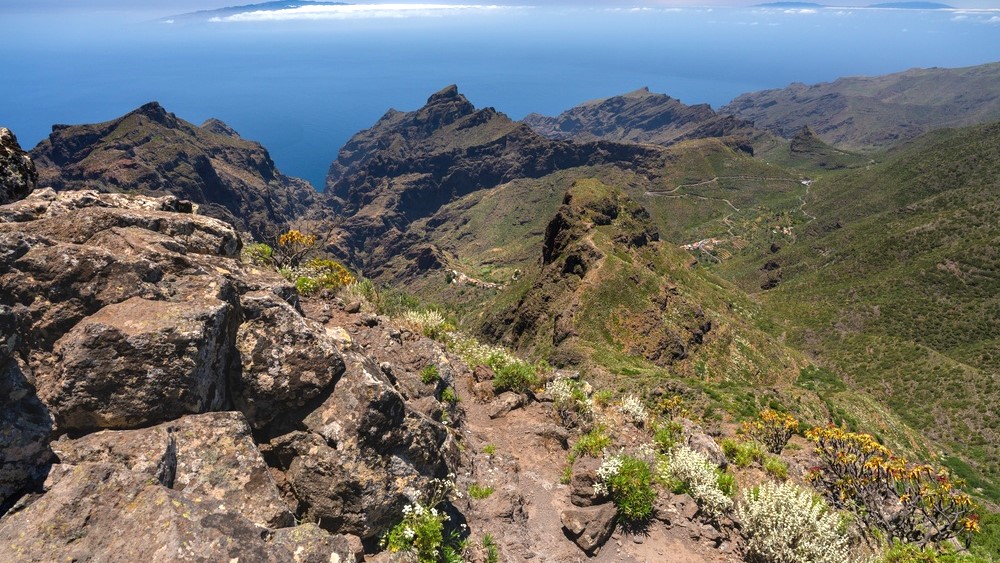
The park is expansive, perfect for long walks through verdant forest in absolute tranquility. With its dramatic landscapes and peaks reaching 2,000 meters, hikers will find their paradise here. The climb requires reasonable fitness due to its moderate difficulty.
The Caldera de Taburiente itself, measuring 8 kilometers across, captivates all who see it. Indeed, every visitor lingers over this immense crater enveloped in a forest of Canary pine trees. Parque Nacional de la Caldera de Taburiente is part of UNESCO's biosphere reserves.
Stargazing at Roque de los Muchachos
Designated a "Starlight Destination," Roque de los Muchachos is one of the world's finest spots for observing the stars. The environment is ideal and the sky exceptionally clear. Considered a moderate hike, you should allow approximately 3.5 hours to reach the summit on average, though this varies depending on your fitness level and rest stops. If you're wary of long walks, driving is an alternative—the road leading to the site is easily accessible.
Once there, you can explore the Observatorium Roque de los Muchachos. Visits are daytime only and by appointment. Bring warm clothing for the evening and some provisions.
The view from above is breathtaking, offering panoramic vistas across the entire island, especially the Taburiente caldera. Once night falls, the spectacle becomes magical as the stars emerge. You can use state-of-the-art telescopic equipment available at the Observatorio Astrofísico del Roque de los Muchachos. Pure magic guaranteed!
Exploring Historic Santa Cruz de La Palma
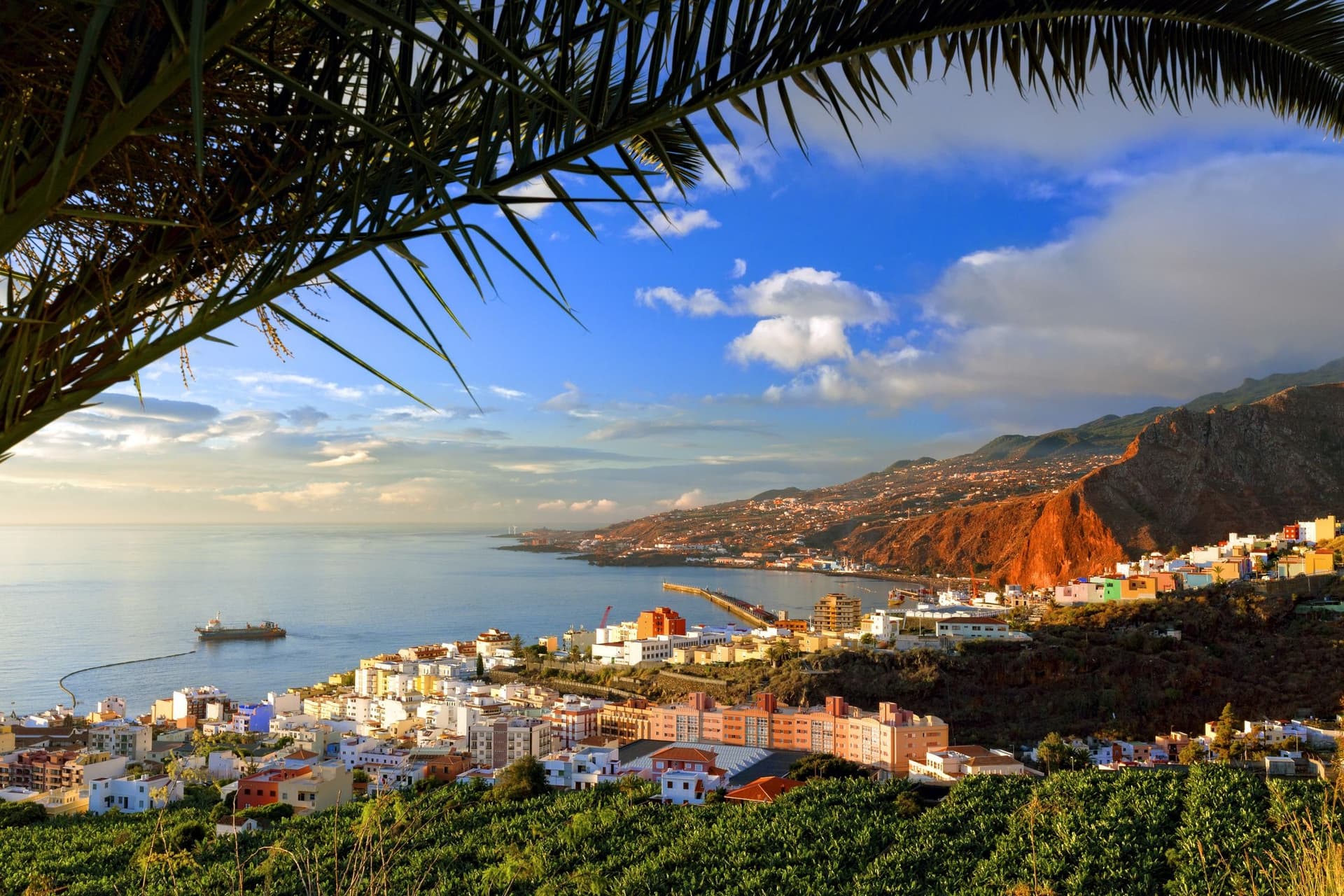
Beyond its varied landscapes, La Palma houses numerous monuments concentrated mainly in its capital, Santa Cruz. This charming town is classified as a historic and artistic site. Begin your exploration along Calle Real, the main thoroughfare of the capital. On this cobbled street, you'll find the market, plazas, and the island's iconic buildings—the perfect opportunity to absorb local culture, traditions, and history. Next, head to Plaza de España, where the town hall stands. The El Salvador church and the famous Renaissance-style fountain are also visible on this plaza. If time permits, venture toward Plaza del Borrero and Alameda Square.
Discovering Local Gastronomy and Traditions
Day and night, a festive atmosphere reigns on La Palma. Every five years, Canarians eagerly await the "Bajada de la Virgen de las Nieves." This ancestral tradition unfolds in July, featuring the celebrated "Danza de los Enanos" (Dance of the Dwarfs). Various festivities enliven the streets and plazas of the historic center for over a month. Other celebrations include "Semana Grande" and "Semana Chica." Beyond these, La Palma is renowned for textile craftsmanship and cigar manufacturing.
For food enthusiasts, Santa Cruz is undoubtedly the place to sample a variety of local dishes. Specialties include "papas arrugás con mojo" and black pork. Don't overlook their exceptional local cheeses either!
La Palma has an international airport located 8 kilometers from Santa Cruz, in the municipality of Villa de Mazo. It connects the island with Madrid and Barcelona. If direct flights from your departure point aren't available, you can reach the island via Gran Canaria (LPA) or Tenerife (North Airport or TNF).
It's also possible to arrive by sea. Ships depart daily from the port of Los Cristianos bound for Tenerife, with stops at La Palma—a journey typically lasting between 2.5 to 4 hours. For getting around the island, buses are the most economical option. However, if you prefer greater freedom, consider renting a car.
When to Visit?
Along La Palma's coasts, the climate is exceptionally mild and sunny year-round. Rainfall occurs mainly during autumn and winter. In interior areas, the climate is notably cooler and more humid. The best time to visit is between May and December. During this period, temperatures are pleasant and rain is rare.
Attractions in La Palma
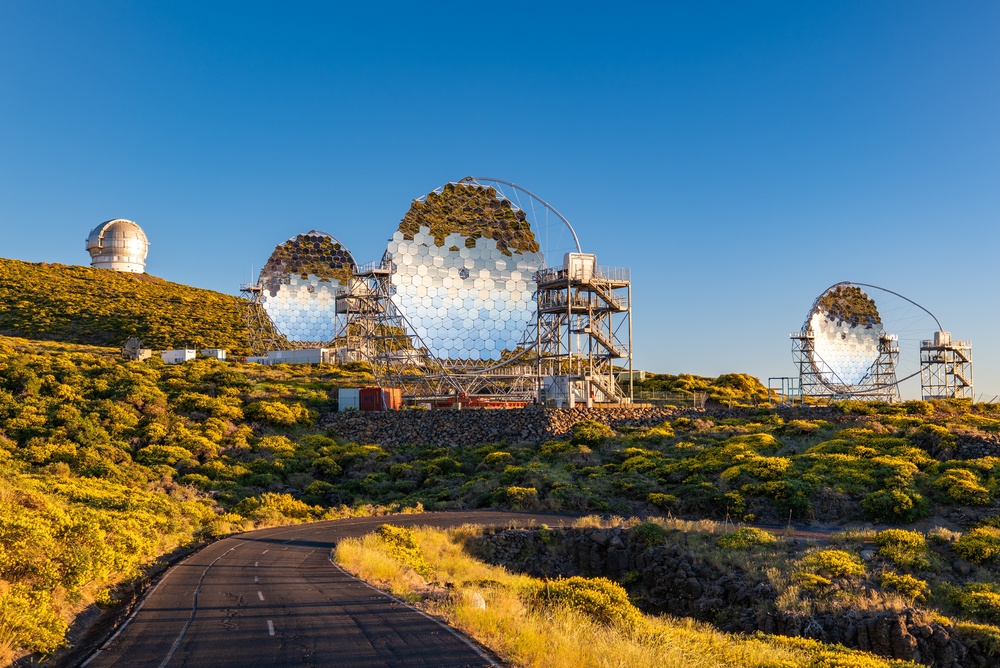
Roque de los Muchachos
Le Roque de los Muchachos culmine à 2 426 mètres, au sommet de La Palma. C'est le point le plus haut de l'île et l'un des sites d'observation astronomique les plus réputés au monde.
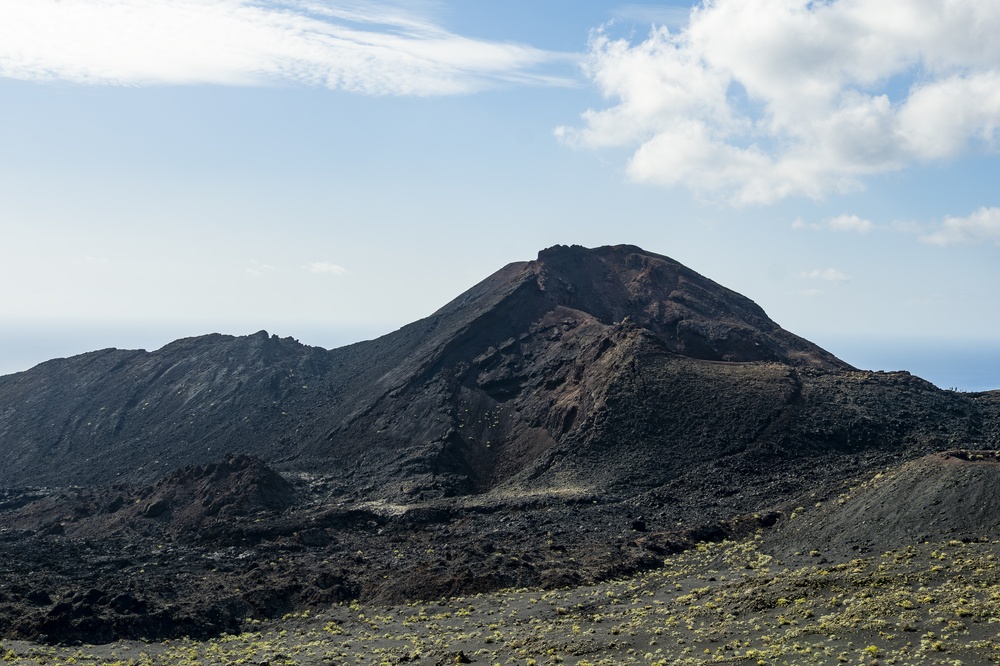
Volcán Teneguía
Le Teneguía est le volcan le plus récent de La Palma : il est entré en éruption en octobre-novembre 1971, faisant de lui l'un des volcans historiques les plus jeunes de l'archipel canarien.
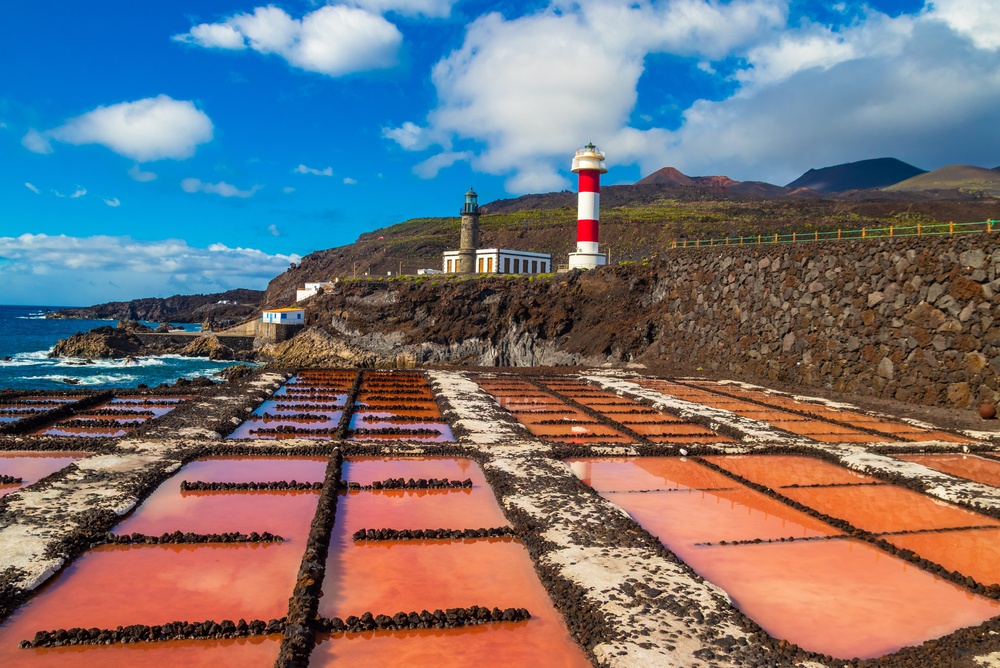
Salinas de Fuencaliente
Au bout de la route qui longe la côte sud de La Palma, les salines de Fuencaliente s'étendent entre deux coulées de lave et l'Atlantique.
Want to discover this destination?
Our local advisors design your tailor-made trip.